


Woven Cane Bench
These woven cane bench examples bring organic texture and historic seating forms into a room, offering both practical utility and enduring design interest.
Woven Cane Bench
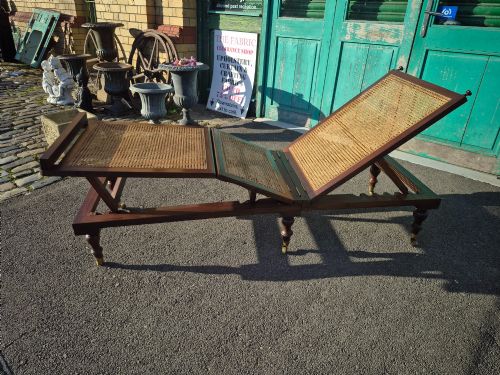
A woven cane bench encompasses a variety of antique seating forms, including daybeds, settees, window seats, and stools. When searching for a woven cane bench, you will most frequently encounter nineteenth-century examples alongside items from nineteen ten and nineteen twenty.
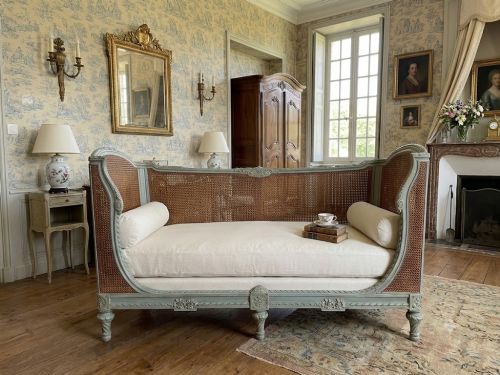
The stylistic influences span widely across the listings, featuring Victorian, Regency, Louis XVI Revival, Carolean Revival, and Anglo-Indian designs. These pieces range from substantial daybeds and caned settees down to compact footstools and square tables with caned tops.
Origins and materials vary across the selection, encompassing French painted frames, Ceylonese hardwoods, ebonised wood, and British oak or mahogany. Such diversity means buyers can find everything from a long footstool to a grand daybed or canapé corbeille.
How they were made
Construction relies upon traditional framing timbers such as mahogany, walnut, oak, beech, and ebonised wood, paired with pliable natural cane for the seating surfaces. Some pieces incorporate brass details or painted finishes to achieve specific French or colonial aesthetics.
The woven cane panels are typically pierced through the frame borders in intricate patterns, providing a resilient yet breathable surface. Heavier structural elements utilise sturdy hardwoods like Ceylonese timber or mahogany to support the tension of the woven seats.
Materials recorded across the selection include cane, mahogany, brass, walnut, oak, beech, linen, and ebonised wood.
What varies in quality
Quality in a woven cane bench rests upon the tightness and regularity of the cane weaving alongside the density of the primary timber frame. Finer examples display meticulous hand-carving on the wood components, whether in the manner of Louis XVI Revival or Carolean styling.
The integrity of the structural joinery and the preservation of the original wood finish distinguish superior pieces from simpler utilitarian items. A harmonious balance between the decorative frame work and the condition of the cane elevates the overall stature of the bench.
The Woven Cane Bench Glossary
- Cane
- Strips of peeled rattan woven into patterned panels for seats and backs. It offers flexibility and strength while maintaining a light visual profile.
- Canapé
- A French decorative settee or sofa featuring an upholstered or caned back and seat. These pieces often exhibit stylistic traits from the Louis XVI or Régence periods.
- Daybed
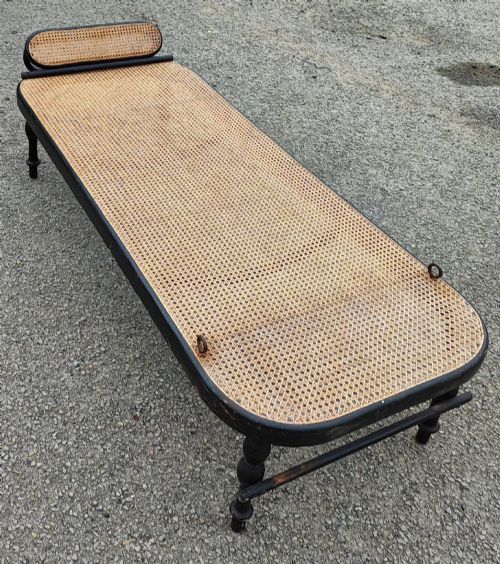
- A long seating item designed for reclining, frequently constructed with one or two raised ends. In antique forms, these often feature extensive cane work across the bed base or backrest.
- Anglo-Indian
- A descriptive term for furniture made in India by local artisans for British patrons, typically utilising dense tropical hardwoods. These objects often combine British furniture forms with intricate indigenous carving.
- Ebonised
- Wood treated with a dark stain or finish to imitate ebony. This technique was frequently utilised on nineteenth-century frames to create a dramatic contrast with pale woven cane.
Woven Cane Bench: Frequently Asked Questions
What is a woven cane bench?
A woven cane bench is an antique seating item featuring a seat or back panel created from woven plant fibres, mounted within a wooden frame of mahogany, oak, walnut, or beech.
These pieces range from small footstools and window seats to grand daybeds and settees, drawing on design traditions such as Regency, Victorian, and French revival styles.
How do I care for cane furniture?
Cane requires moderate humidity to prevent the natural fibres from becoming brittle and snapping under tension. Regular dusting with a soft brush keeps the perforations clear of debris.
Avoid placing these benches near direct heat sources or in overly dry environments, as natural plant materials respond poorly to sudden temperature fluctuations.
Are these benches comfortable?
The woven cane surface provides a resilient and supportive seating area that yields slightly to the body. Many forms, such as daybeds and window seats, are traditionally designed for lying down or brief periods of rest.
For extended sitting, owners often add loose squabs or cushions upholstered in linen or other complementary textiles.
How do I identify the period?
Dating relies upon examining the timber species, framing silhouettes, and decorative carving details characteristic of specific eras like the nineteenth century or the nineteen tens. Stylistic markers such as Louis XVI Revival or Campaign styling offer clear clues to origin.
The methods used to bore holes for the cane work and the treatment of the wood finish also provide tangible evidence of the era of manufacture.