








Antique Balustroid Glass
These antique balustroid glass pieces are sturdy mid-eighteenth-century drinking vessels with distinctive stems, prized by collectors for their heavy metal and tactile forms.
Antique Balustroid Glass
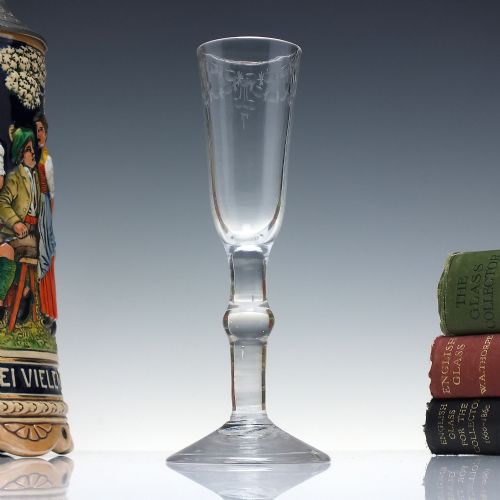
When you search for antique balustroid glass, you encounter drinking vessels originating from the eighteenth century and the Georgian period. These pieces span specific forms such as wine glasses, gin glasses, ale glasses, and ratafia glasses.
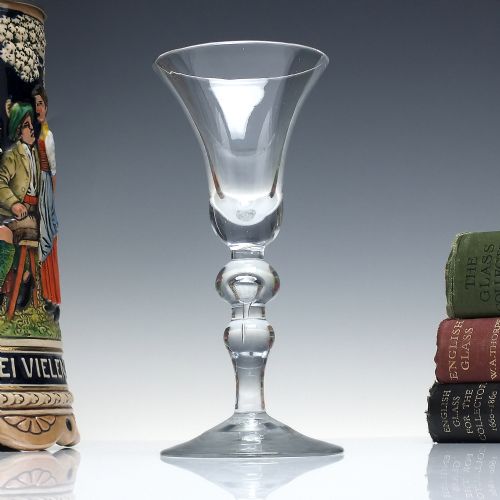
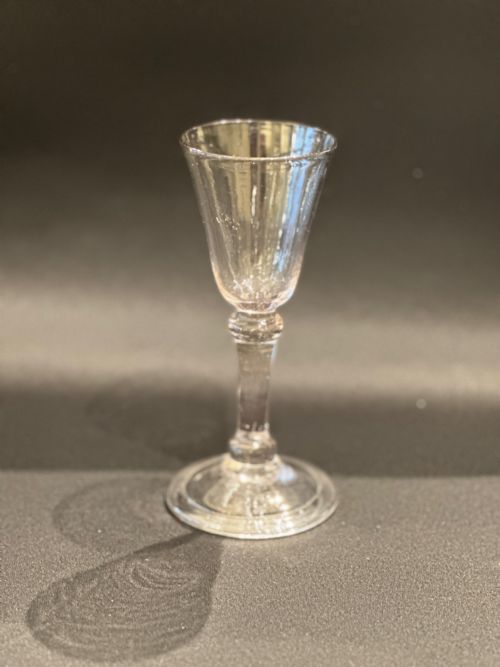
The versions you are most likely to meet on this page feature stems displaying baluster and balustroid characteristics. Bowls take various shapes, including bell bowls and engraved designs featuring hops, barley, or swag and tail motifs.
Feet on these vessels frequently appear as folded feet or domed feet, providing stability to the heavy lead metal. English manufacture dominates the evidence, with dates clustering tightly around the seventeen-thirties, forties, and fifties.
Materials and manufacture
Makers produced these drinking vessels using lead glass, clear glass, lead crystal, flint glass, and hand-blown lead glass. The addition of lead oxide produced a heavier metal with high refractive index and durability.
Craftsmen shaped the vessels by hand-blowing the molten material and forming the characteristic balustroid stems. They finished surfaces through wheel engraving, adding decorative elements like hop and barley patterns or swag and tail designs.
Antique Balustroid Glass Retail Price Guide 2026
Typical asking prices for balustroid glass among the pieces listed under this phrase on Sellingantiques today, from the lower quarter to the upper quarter. They describe what is for sale here now, not the wider market.
Assessing quality and form
Quality in these drinking vessels rests upon the balance and proportion of the stem relative to the bowl. Heavier lead crystal metal and crispness in the wheel engraving separate the finest examples from simpler output.
Specialised bowl forms and foot treatments elevate individual pieces within the range. Domed feet and folded feet require greater skill in the hot-house, while engraved decoration demands precision from the glass engraver.
The Antique Balustroid Glass Glossary
- Balustroid stem
- A stem form intermediate between a full baluster and a plain stem, typically featuring knops above a tapering shaft. This profile provides a substantial grip for the hand.
- Folded foot
- A base formed by doubling the outer rim of the glass back underneath itself during manufacture. This creates a thickened edge that resists chipping.
- Domed foot
- A base pushed upwards from the centre into a convex dome shape. It adds visual weight and optical interest beneath the stem.
- Flint glass
- An early British term for high-quality lead glass developed to imitate rock crystal. The material allowed for heavier walls and clearer optical properties.
- Ratafia glass
- A tall, slender drinking vessel designed for sweet fruit liqueurs or cordials. The narrow bowl concentrated the aromatics of the drink.
Antique Balustroid Glass: Frequently Asked Questions
What is balustroid glass?
Balustroid glass refers to eighteenth-century English drinking vessels with stems that transition from heavy baluster shapes to slender profiles. These stems often incorporate multiple knops and collars.
The heavy lead metal gives the glassware a substantial feel in the hand. Collectors prize these forms for their sturdy proportions and tactile qualities.
How were these glasses used?
People used these vessels for consuming wine, ale, gin, and cordials during Georgian dining and social gatherings. Specific bowl shapes suited particular drinks, such as narrow bowls for cordials and wider bowls for wine.
The sturdy construction meant the glasses withstood regular handling at the table. Their heavy feet helped prevent tipping during spirited toasts.
How do you date balustroid glass?
Dating relies on stylistic evolution in stem forms, bowl shapes, and foot construction observed across the eighteenth century. Earlier examples often feature heavier baluster stems and domed feet.
Engraving styles and metal composition also provide clues to the decade of manufacture. Comparing pieces against documented examples helps narrow down the production period.
How do I care for antique glass?
Antique glass requires gentle hand washing in warm water using mild soap. Avoid sudden temperature changes to prevent thermal shock and cracking.
Store the pieces securely away from vibrations and edge-to-edge contact in cabinets. Handle them by the stem rather than the bowl to protect vulnerable rims.