





Antique Baluch Weaves
Antique baluch weaves are nomadic and tribal textiles from nineteenth and early twentieth century Persia and Afghanistan, prized for rich wool and distinctive geometric patterns.
Antique Baluch Weaves
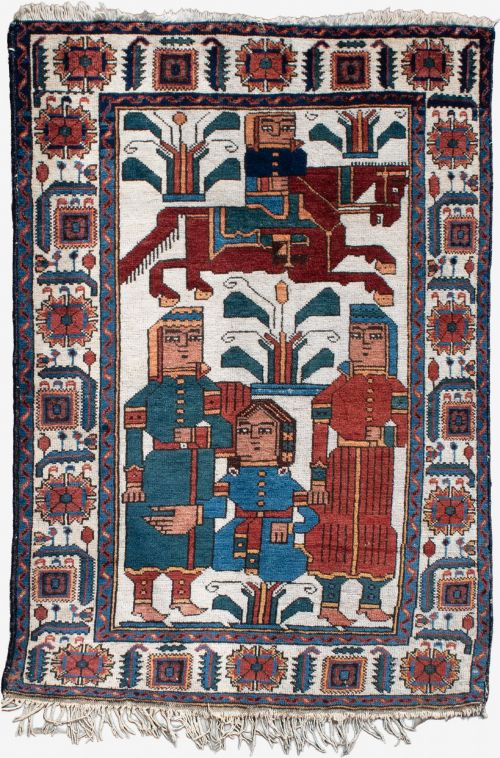
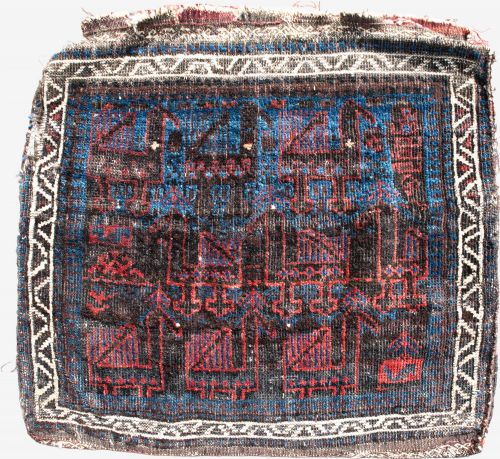
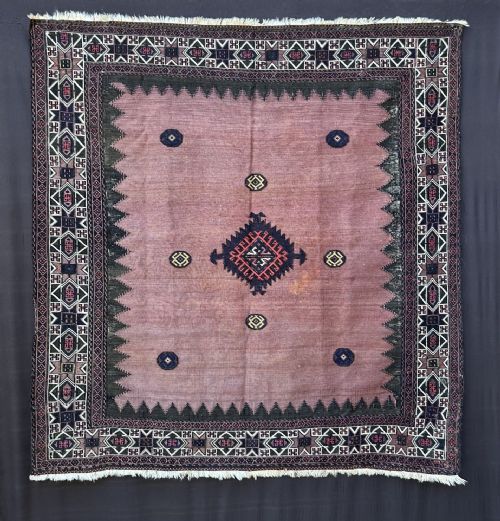
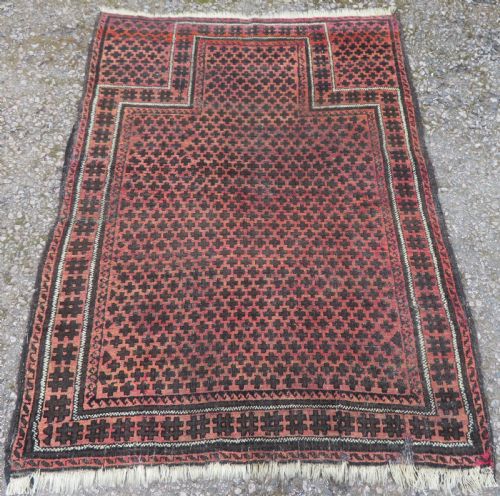
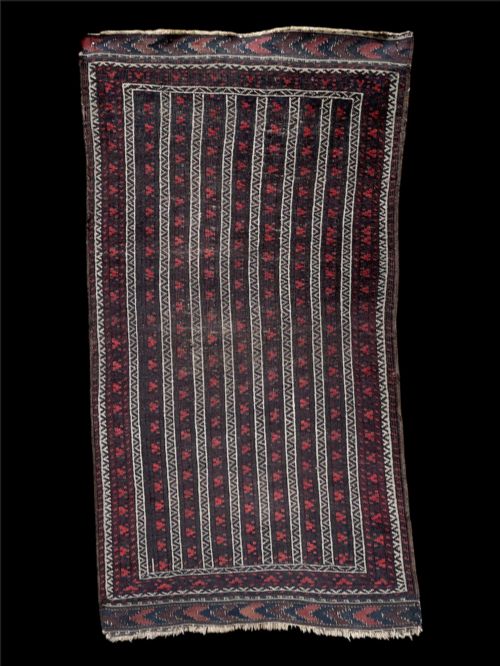
When searching for antique baluch weaves, a buyer encounters practical objects made by tribal groups, including main carpets, prayer rugs, kilims, and various utilitarian bags. These pieces originate primarily from regions spanning South Khorassan, Sistan, and Western Afghanistan.
The most common formats found on this page are smaller floor rugs and storage bags such as balishts and vanity bags. Collectors often select these textiles for their dense wool foundations and regional tribal designs.
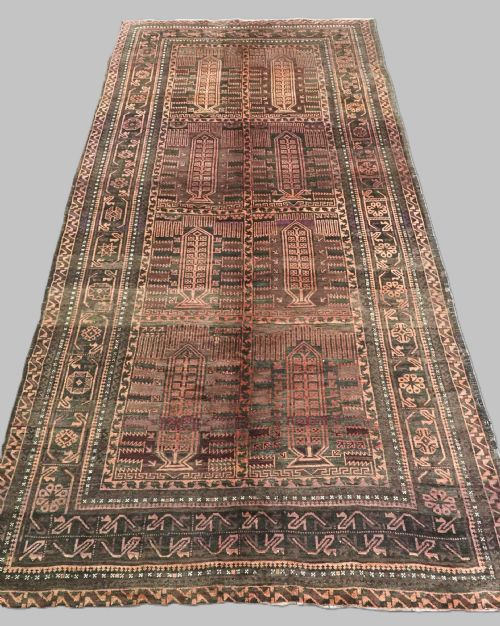
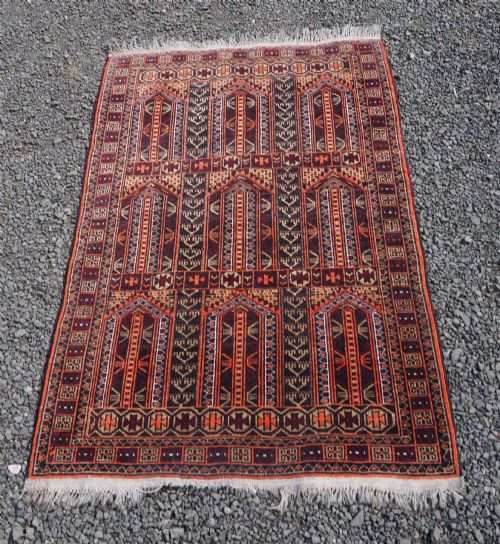
Dated examples span from the late nineteenth century through to the 1930s, displaying traditional motifs like the pencil box, mina khani, and seh mihrab patterns.
Materials and construction
Weavers constructed these textiles primarily using hand-spun wool and cotton, occasionally incorporating goat hair for durability on bag backs and side cords. Natural dyes provided the deep reds, browns, and dark blues characteristic of the palette.
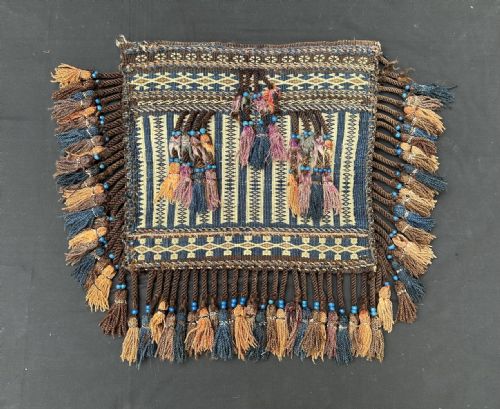
Extra embellishments such as glass beads, cowrie shells, and structured weftwork bands appear on specific utility bags and flatweaves. The weaving technique combines pile knots with flatweave kilim sections and banded chevron structures.
The listings span periods from the 1870s to the 1930s, utilising wool, cotton, goat hair, and natural dyes across various rug and bag forms.
Variations in quality
Quality in these nomadic pieces rests upon the fineness of the wool and the precision of the tribal design work. Tighter knotting and well-preserved natural dyes distinguish superior examples from simpler village pieces.
The survival of original backs on storage bags and the crispness of geometric motifs like the pencil box pattern determine the desirability of an individual textile.
The Antique Baluch Weaves Glossary
- Sofreh
- An eating cloth or spread used for meals by nomadic families. These flatwoven or piled textiles often feature geometric field designs.
- Balisht
- A small storage or grain bag woven by tribal groups. They usually feature a plain weave back and a patterned face.
- Seh Mihrab
- A prayer rug design incorporating three arched niches across the field. This motif is traditional to certain Afghan Baluch groups.
- Kalam Donneh
- A repeating motif resembling a pencil box or boteh shape. It forms the primary field decoration on specific main carpets.
- Kilim
- A flatwoven textile produced without a pile. These pieces utilise banded weftwork and chevron patterns.
Antique Baluch Weaves: Frequently Asked Questions
What is a baluch prayer rug?
A baluch prayer rug is a small nomadic textile featuring a mihrab niche designed for individual devotion. These pieces often display geometric borders and rich wool piles.
Weavers across Afghanistan and Persia produced them using traditional natural dyes and distinctive tribal patterns such as the seh mihrab.
How were tribal storage bags used?
Tribal storage bags served practical purposes in nomadic tents for holding household possessions, grain, or personal items. Their durable construction accommodated daily camp life.
Many examples feature flatweave backs and decorated faces utilising techniques like banded weftwork or supplementary bead embellishments.
How do I care for an antique rug?
Antique wool rugs require gentle maintenance such as regular light vacuuming without a rotating brush head. Keeping them out of direct sunlight preserves the natural dyes.
Professional cleaning suited to handmade tribal textiles ensures the wool and cotton foundations remain stable over time.