





Antique Balance Weights
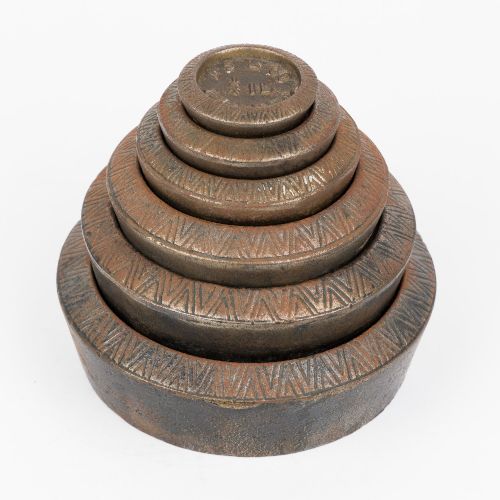
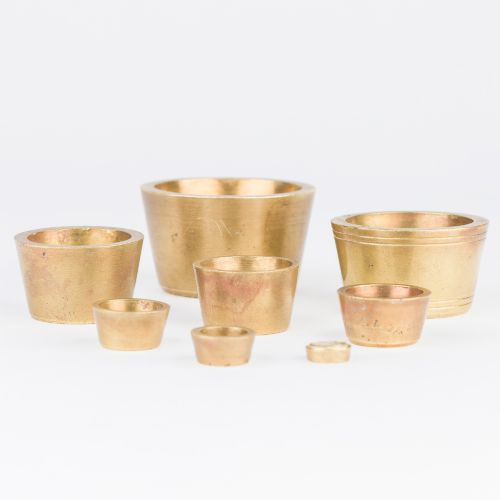
Antique balance weights are utilitarian objects of brass, iron and hardwood that measure mass accurately while bringing industrial history into the interior.
Antique Balance Weights
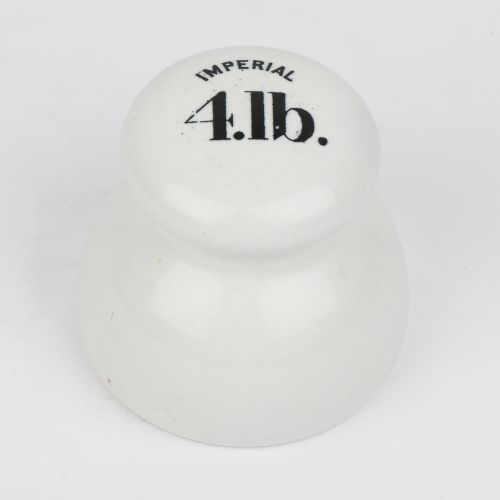
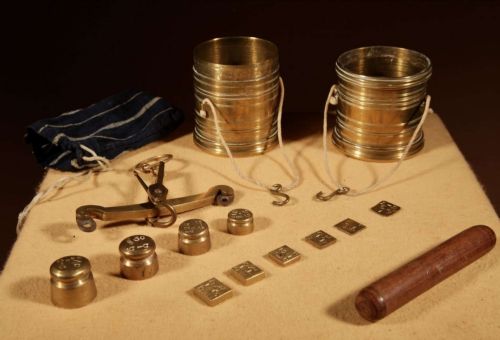
When you search for antique balance weights, you encounter everything from individual stacking units to complete cased sets intended for postal, apothecary, trade and household use. The pieces span the Victorian and Edwardian eras alongside earlier examples from the nineteenth century, reflecting rigorous domestic and commercial standards of measurement.
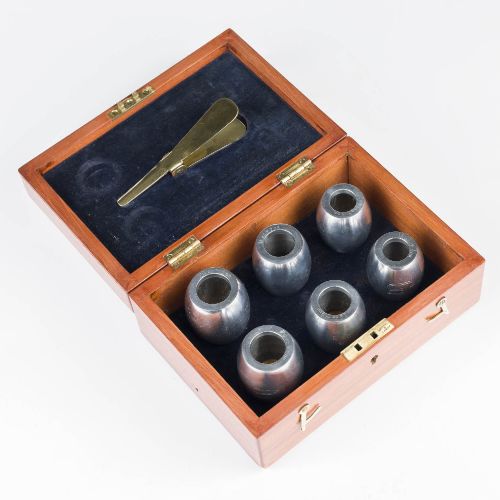
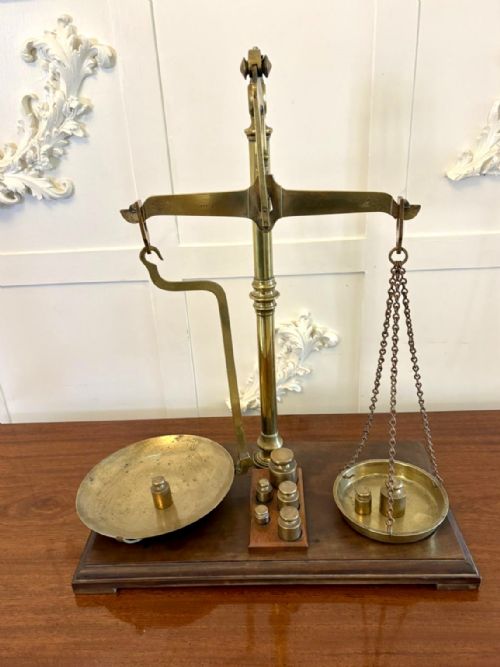
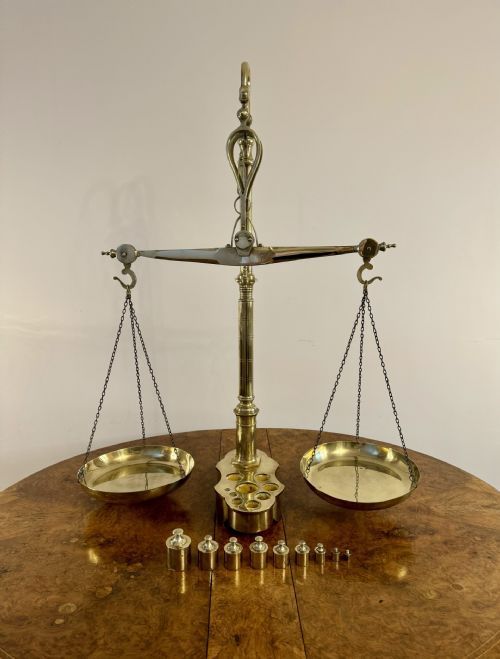
You are most likely to meet brass and iron scale weights, often housed in fitted wooden blocks or paired with beam scales and letter balances. Many survive from municipal inspectors, post offices and grocers, bearing stamped verification marks that record their working history.
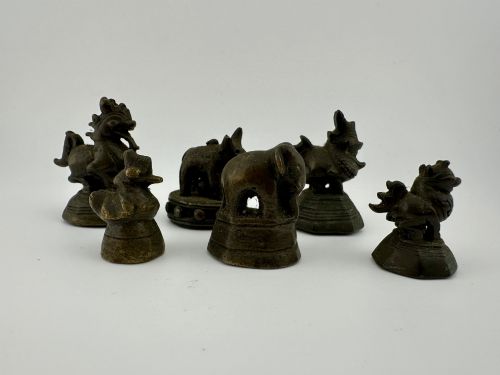
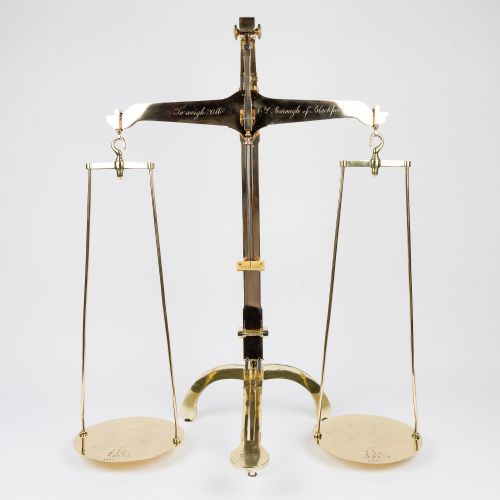
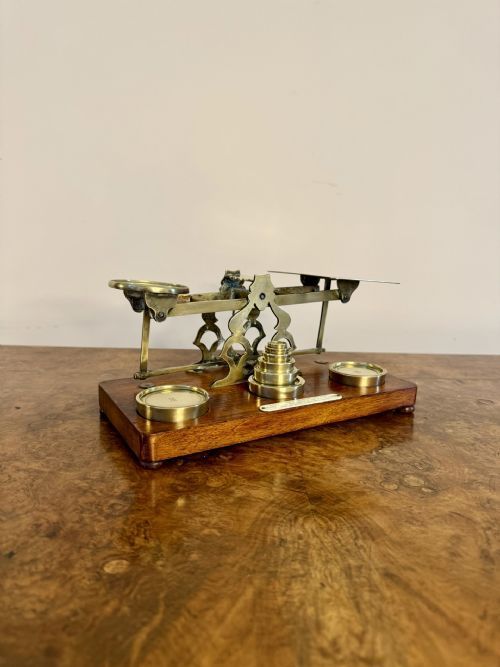
The selection ranges from utilitarian shopkeeper sets to decorative brass postal scales mounted on mahogany bases. Collectors also find specialised items such as trade opium weights and portable chondrometers.
Materials and Construction
Makers utilised cast iron, solid brass and heavy hardwoods like mahogany, oak and walnut to ensure physical stability and resistance to daily wear. Brass components were frequently turned on lathes and polished, while iron elements were cast and finished with dark coatings.
Weights were calibrated precisely to standard units such as Troy ounces, imperial measures or local trade systems, often featuring punched stamps from local authorities. Wooden bases and storage blocks were jointed and fitted carefully to hold individual weights securely in place.
Antique Balance Weights Retail Price Guide 2026
Typical asking prices for balance weights among the pieces listed under this phrase on Sellingantiques today, from the lower quarter to the upper quarter. They describe what is for sale here now, not the wider market.
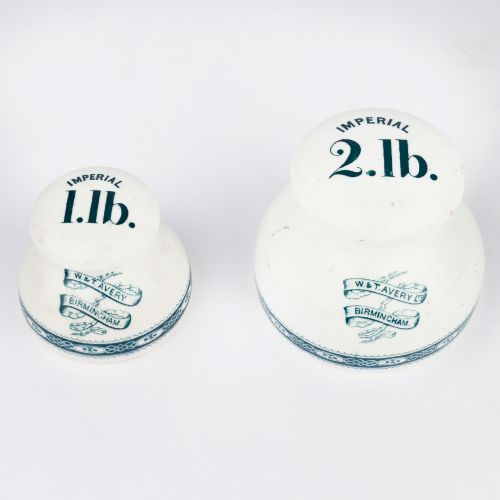
Listings feature brass, iron, mahogany, oak and ceramic materials across postal scales, apothecary sets and trade weights.
Evaluating Quality
Quality rests upon the crispness of the original foundry marks, the integrity of the calibration and the survival of matching sets in their fitted wooden containers. Complete sets with legible maker stamps command greater interest than stray or mismatched individual pieces.
Superior examples display careful metal turning, uncompromised timber bases and original surface patination rather than over-polished brass or replaced components. The presence of official verification stamps or historic municipal inscriptions adds documentary depth to individual pieces.
De Grave Short And Co·S Mordan And Co·Robert Brettell Bate·Day And Millward·W And T Avery
The Antique Balance Weights Glossary
- Avoirdupois
- A system of weights based on a pound of sixteen ounces, commonly utilised for everyday goods and general trade. This system governed most standard household and commercial scales.
- Chondrometer
- A portable instrument designed to measure the specific weight or quality of grain. These devices were particularly useful for merchants assessing agricultural produce.
- Troy ounce
- A unit of mass traditionally utilised for precious metals and pharmaceuticals. Sets of these weights are typically smaller and finished with high precision.
- Postal scales
- Balances engineered specifically for weighing letters and parcels to calculate postage rates accurately. They frequently feature tiered brass platforms mounted on decorative wooden bases.
- Verification balance
- A high-precision scale utilised by local government inspectors to test and certify commercial weights. These instruments reflect rigorous municipal standardisation.
Antique Balance Weights: Frequently Asked Questions
What were antique balance weights used for?
These weights measured mass across domestic, commercial and scientific contexts, ensuring accuracy in post offices, shops and dispensaries.
They worked alongside beam scales and letter balances to weigh letters, groceries, medicinal compounds and trade goods.
How do I date these pieces?
Dating relies upon stylistic markers in the woodwork, municipal verification stamps and engraved maker signatures on the metal components.
Victorian and Edwardian pieces often display specific wood choices and brass mount styles that align with known manufacturing periods.
Are original storage blocks important?
Original fitted wooden blocks protect the individual weights and confirm that the set remains together in its intended configuration.
Complete sets housed in their original stands are significantly more desirable for display and collection.
How should I clean brass weights?
Gentle dusting and occasional wiping with a soft, dry cloth preserve the natural historic patination of the metal surfaces.
Aggressive chemical polishing should be avoided because it removes age and softens crisp maker stamps.