





Antique Bag
When you search for an antique bag, you encounter everything from Persian tribal weaving and silver evening purses to leather vanity cases.
Antique Bag
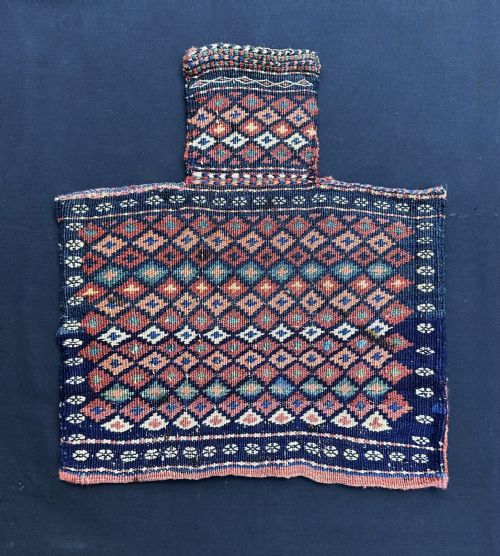
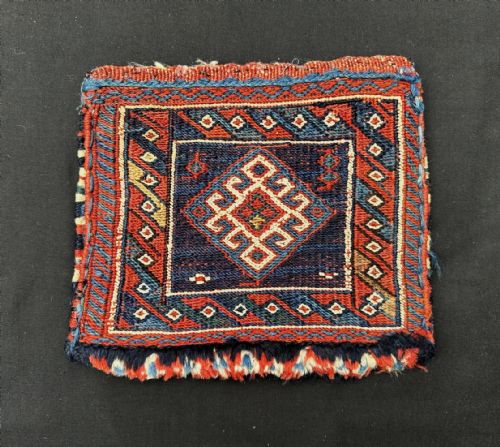
An antique bag spans multiple categories, uniting utilitarian containers, nomadic textiles and formal evening accessories. You find pieces ranging from nineteenth-century Persian tribal salt-bags and Turkmen spindle-bags to Edwardian sterling silver purses and Art Deco mesh designs.
The selections on this page divide broadly into two distinct spheres: utilitarian leather luggage and soft-sided travel items, alongside woven tribal carriers and delicate metal-framed evening bags. Nomadic examples from Central Asia and Persia sit alongside French and British manufactured pieces from the early twentieth century.
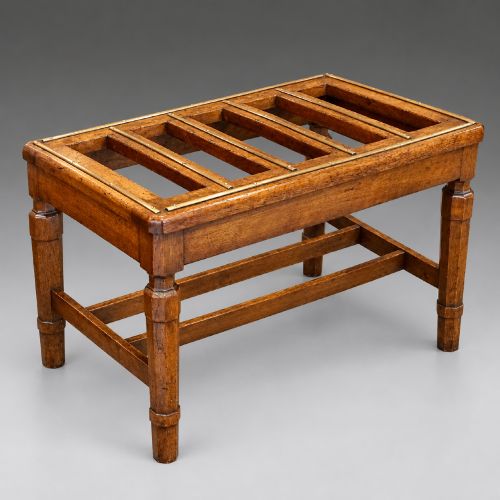
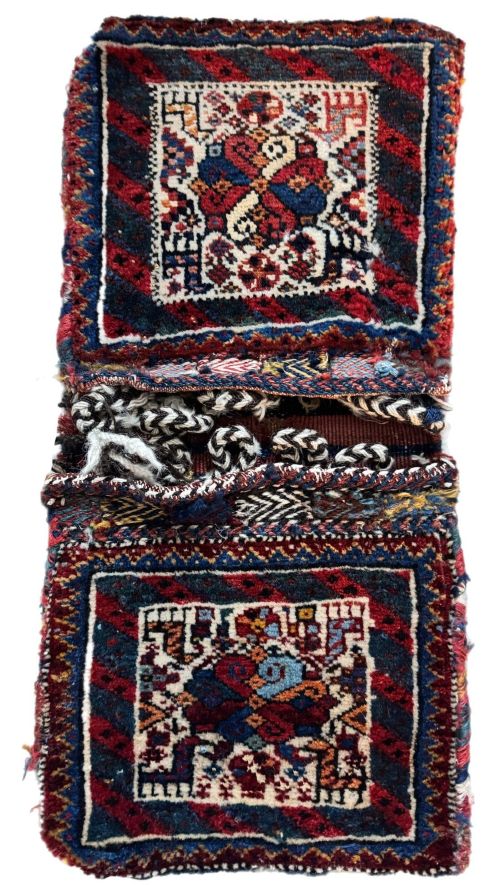
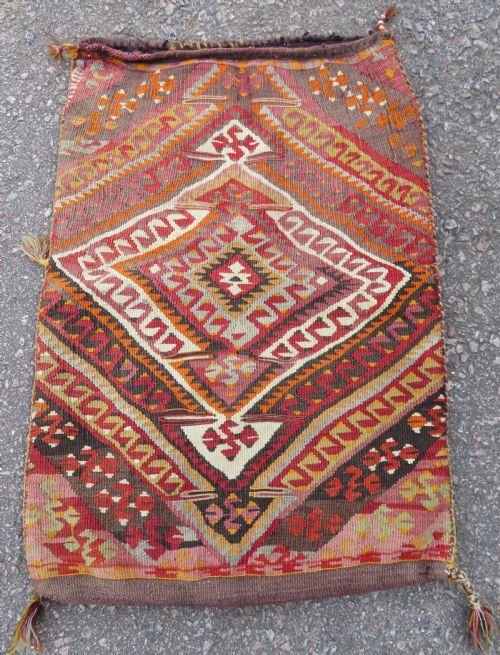
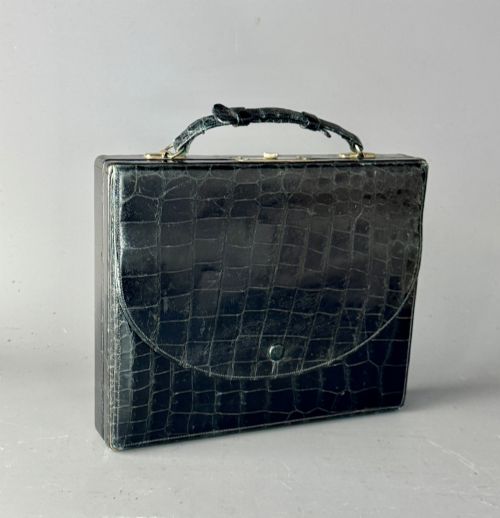
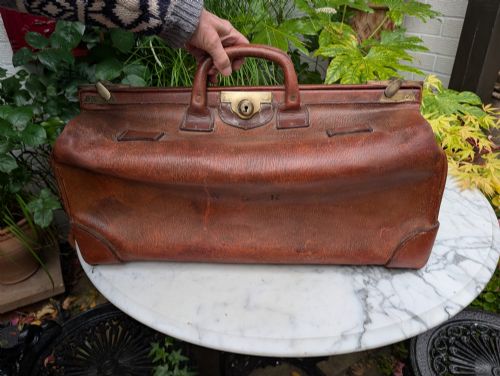
Buyers seeking an antique bag frequently encounter smaller vanity cases, silver coin purses, and larger Gladstone or Wellington luggage pieces in leather. Textile variations include saddle bags, storage bags, and grain sacks originating from Anatolian, Turkmen, and Bakhtiari makers.
Materials and construction methods
Leather and precious metals form the foundation of manufactured evening purses and travel luggage, utilising sterling silver, brass frames, and crocodile skin alongside robust oak and mahogany frameworks. Artisans employed mesh-linking techniques for flexible metal purses and fitted interior compartments with textiles for travel cases.
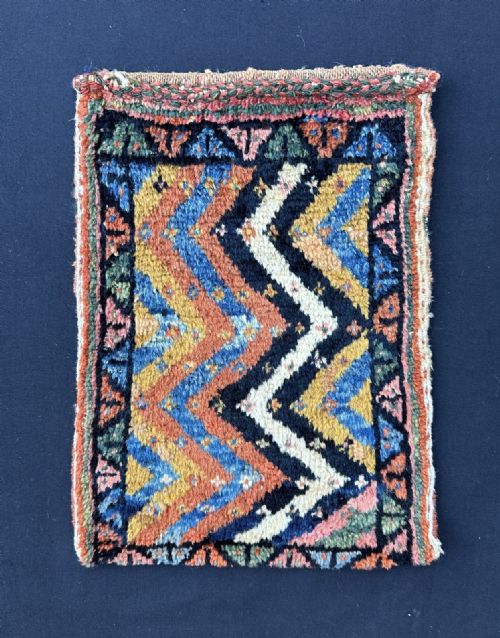
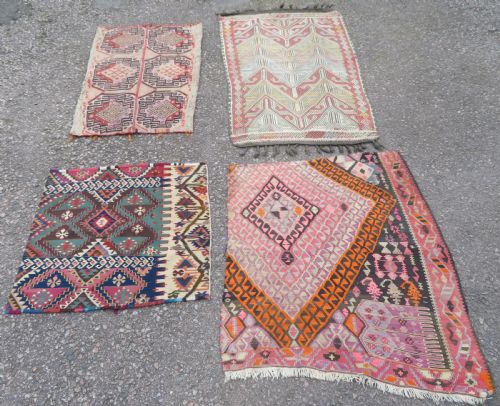
Tribal and nomadic pieces rely on wool, cotton, and traditional flatweave kilim or pile-weaving techniques. Weavers constructed salt-bags, saddle bags, and tent bags using vegetable-dyed wools, incorporating durable structures meant to withstand daily nomadic life.
Antique Bag Retail Price Guide 2026
Typical asking prices for bag among the pieces listed under this phrase on Sellingantiques today, from the lower quarter to the upper quarter. They describe what is for sale here now, not the wider market.
Nomadic weavers packed everything from salt to tent stakes into bags that now reside quietly on display tables.
Distinctions in quality and execution
Quality in metal and leather items rests upon the precision of the mechanics, the integrity of the hinges, and the clarity of hallmarks on silver components. Substantial weight in silver mesh, secure clasps, and well-preserved internal leather linings indicate superior manufacture.
For woven tribal examples, excellence is found in the tightness of the weave, the complexity of the geometric patterns, and the saturation and consistency of natural dyes. Pieces retaining their original complete structure without structural repairs command greater attention from collectors.
Macy & Co·Dunhill London·John Collard Vickery
The Antique Bag Glossary
- Kilim
- A flatwoven carpet or sack produced without a pile, common in Anatolian and Persian tribal weaving. It utilises warp and weft threads to create sharp geometric patterns.
- Salt-bag
- A utilitarian nomadic container woven to hold household salt, typically featuring narrow necks and sturdy hanging loops. These display distinctive regional patterns specific to tribal groups such as the Kordi.
- Mesh purse
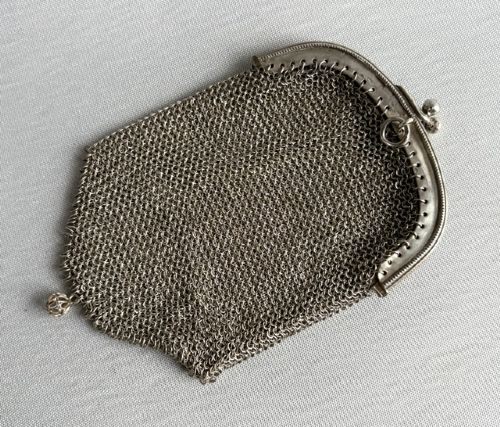
- A flexible evening bag constructed from interconnected metal rings or plates, popular during the Art Deco and Edwardian eras. They often feature delicate frame mounts and chain handles.
- Gladstone bag
- A rigid leather travel case divided into two equal compartments that fold open from a central metal frame. It represents classic Victorian and Edwardian luggage design.
- Uut kap
- A double-faced Central Asian storage bag associated with the Lakai tribe, traditionally used for household storage inside nomadic tents. They exhibit dense embroidery and distinct tribal motifs.
Antique Bag: Frequently Asked Questions
How do I clean an antique leather travel bag?
Leather travel pieces require gentle dusting and specialised conditioning balms to maintain suppleness without darkening the original patina. Avoid using modern chemical detergents that strip natural oils.
Hardware components in brass or silver should be cleaned sparingly to preserve the historic surface character accumulated over decades of use.
What is the difference between a saddle bag and a storage bag?
Saddle bags were originally woven in pairs to be draped across animals for transport, featuring openings designed for practical loading during nomadic migration. Storage bags served static domestic functions inside tents or dwellings.
Both forms utilise traditional tribal weaving techniques, but their structural proportions reflect their original deployment.
How are silver evening purses dated?
Silver evening purses and chain-link accessories often rely on assay office hallmarks, maker's marks, and stylistic indicators such as Art Nouveau or Art Deco framing. These stamps provide precise verification of the manufacturing year and location.
Unmarked silver items are evaluated through stylistic conventions, clasp construction, and the specific composition of the metal frame.
Can antique woven bags be used daily?
Nomadic woven pieces like kilim salt-bags and grain sacks possess sturdy wool construction, but fragile age requires careful handling if utilised as daily accessories. They function well as decorative interior accents or gentle storage solutions.
Heavier manufactured leather luggage offers greater structural resilience for light modern travel when properly conditioned.