





Antique Asian Screen
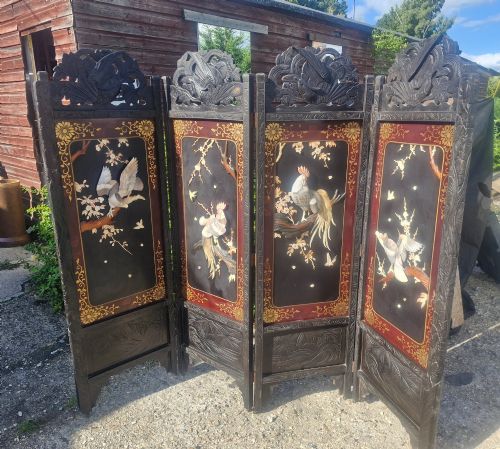
An antique asian screen brings depth and texture to a room, offering rich lacquer work or carved wood that divides a space with presence.
Antique Asian Screen
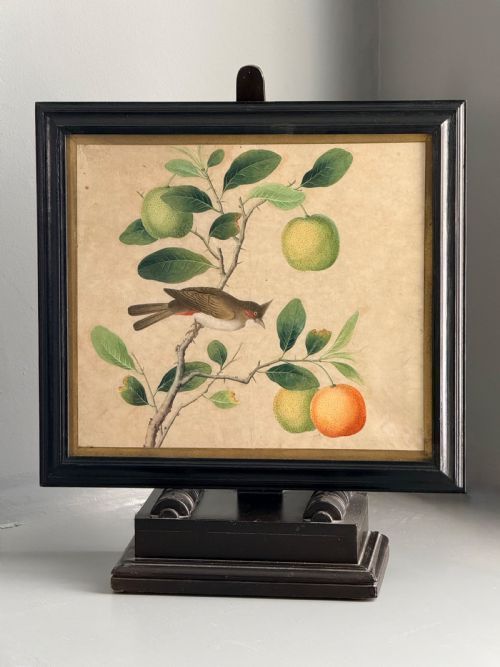
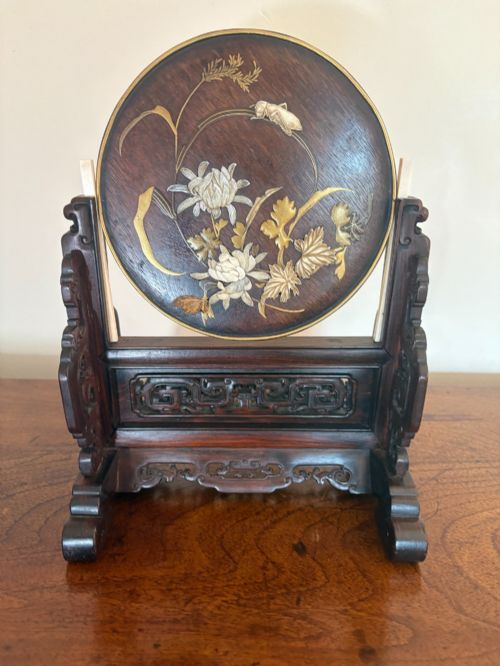
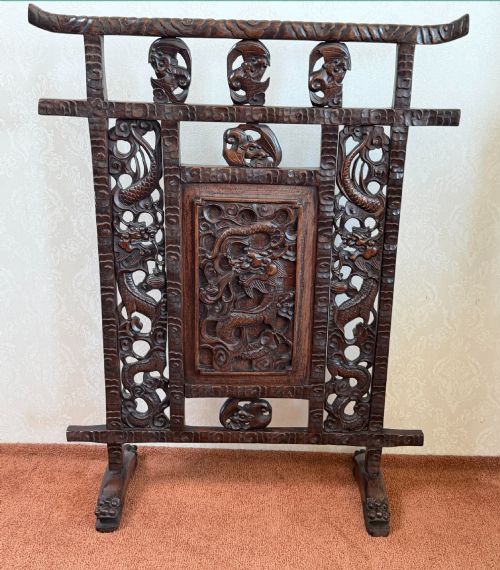
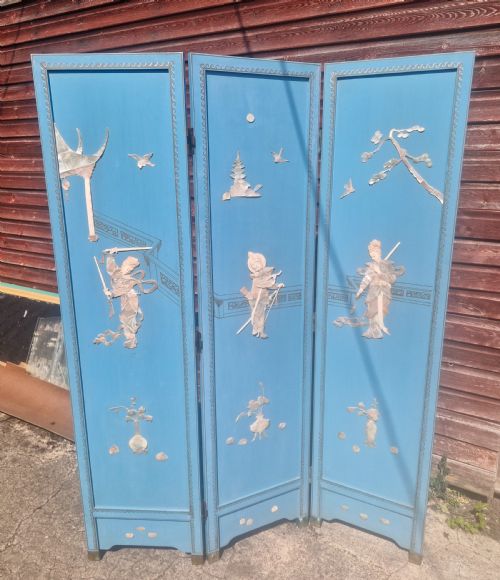
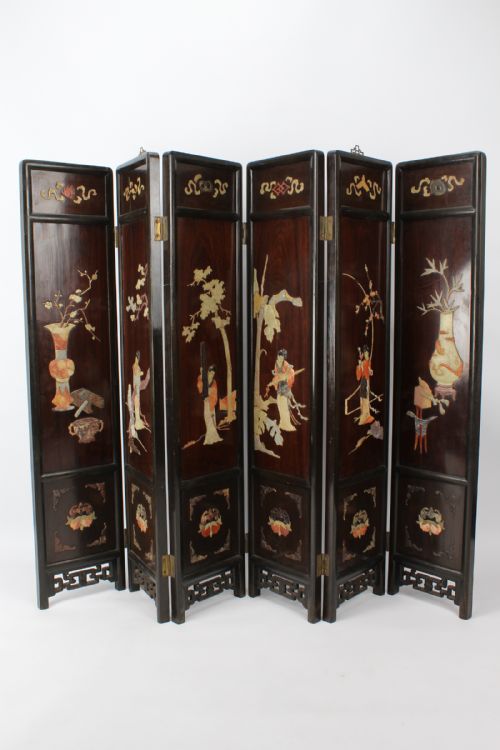
The materials span traditional hardwoods, lacquered wood, silk, and bone, reflecting both Chinese and Japanese origins. Styles range from Qing Dynasty designs and Chinese Export pieces to Japanese Meiji period works.
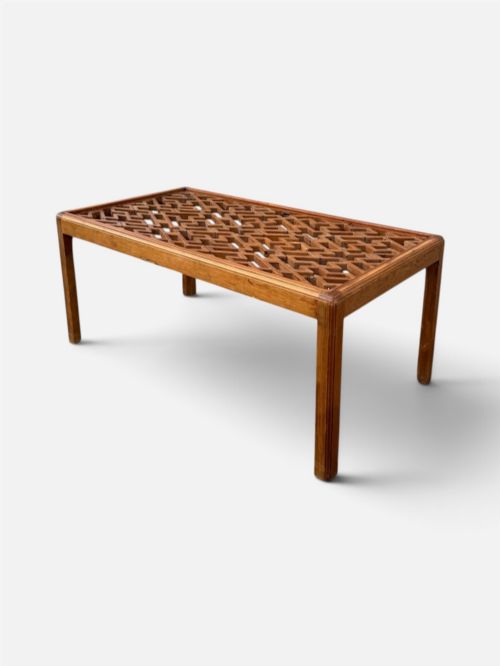
Beyond standard room dividers, the selection includes fire screens, dressing screens, and coffee tables inset with antique fretwork panels. Each piece demonstrates traditional craftsmanship suited to dividing interiors or adding decorative focus.
How they were made
Construction relies heavily on dense hardwoods and wooden panels treated with layers of lacquer to achieve a durable surface. Carving techniques include deep relief work on wood and bone, creating tactile figures and motifs.
Surface decoration incorporates intricate elements such as bone inlay, hardstone mounting, hand-painted gouache, and woven silk panels. Brass fittings often secure the folding hinges and mounts across multi-panel configurations.
Antique Asian Screen Retail Price Guide 2026
Typical asking prices for asian screen among the pieces listed under this phrase on Sellingantiques today, from the lower quarter to the upper quarter. They describe what is for sale here now, not the wider market.
Several pieces double as photographic props from the Victorian era, having spent decades framed by early camera lenses before reaching the modern home.
What varies in quality
The depth and precision of the carving distinguish finer examples, particularly where bone figures or wood panels show crisp detail and careful undercutting. The execution of the lacquer work, from smooth polished finishes to complex Coromandel incisions, indicates the skill invested in the surface.
Material selection plays a part, with dense hardwoods and carefully preserved silk or hardstone mounts marking out superior pieces. The structural integrity of the folds and the preservation of original painted or inlaid details complete the distinction.
The Antique Asian Screen Glossary
- Coromandel lacquer
- A Chinese incised lacquer technique where the surface is covered in layers of dark lacquer, carved into, and filled with colours before being polished.
- Shibayama
- A Japanese craft style involving the inlay of precious materials such as bone, ivory, shell, and coral into wood or lacquer bases.
- Chinoiserie
- A European decorative style reflecting Chinese artistic influences, frequently seen in lacquered furniture and screens.
- Hardstone
- Minerals such as jade, agate, or quartz used to create raised decorative mounts on lacquer furniture.
- Pith paper
- A delicate material made from the pith of the Tetrapanax papyrifer plant, historically used for watercolour and gouache paintings.
Antique Asian Screen: Frequently Asked Questions
How were folding screens used?
Folding screens served to divide large rooms, create private dressing areas, and block drafts near doors or windows.
They also acted as decorative backdrops within traditional interiors, positioning art and craftsmanship directly into the living space.
Where should I place a screen?
A room divider works well against a blank wall to add architectural interest, or freestanding to zone an open-plan space.
Smaller table screens suit sideboards or desks where the fine details of bone inlay or lacquer can be viewed closely.
How do I care for lacquer surfaces?
Keep lacquered wood out of direct sunlight and away from extreme temperature shifts to prevent cracking or warping.
Dust gently with a dry, soft cloth and avoid chemical polishes that can damage the historical finish.
How do I identify Japanese and Chinese pieces?
Chinese pieces often feature Coromandel lacquer, hardwood frames, and motifs from traditional dynasties or export styles.
Japanese works frequently display Meiji period characteristics, including Shibayama inlay, delicate painted textiles, and carved bone figures.