
Antique Asian Metal Vessels
Antique asian metal vessels bring centuries of ritual and domestic craftsmanship into a room through bronze, brass, and copper.
Antique Asian Metal Vessels
When searching for antique asian metal vessels, collectors encounter functional and decorative pieces spanning from the Ming dynasty to the Meiji period. The selection on this page centres heavily on Chinese Qing dynasty bronzes and Japanese Meiji period works.
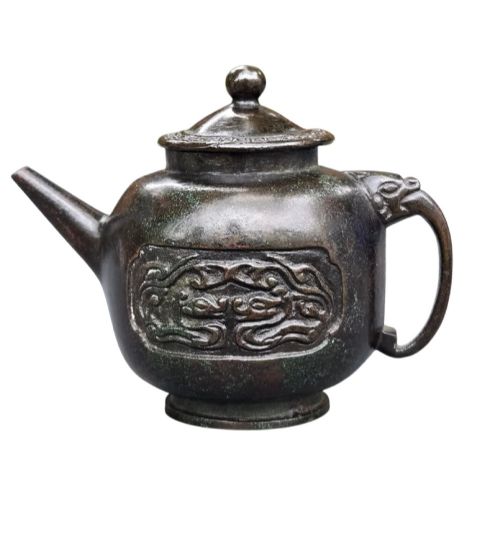
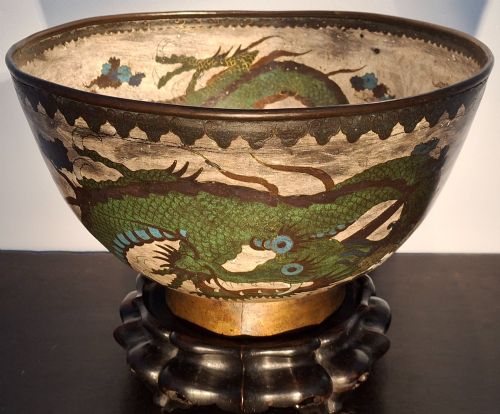
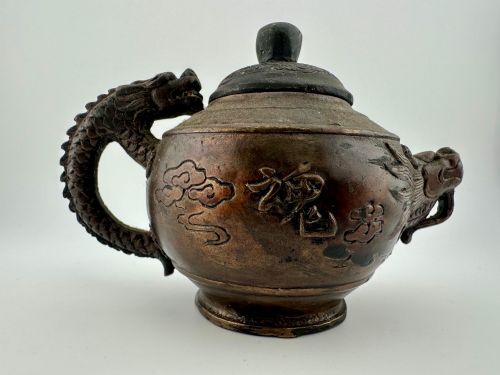
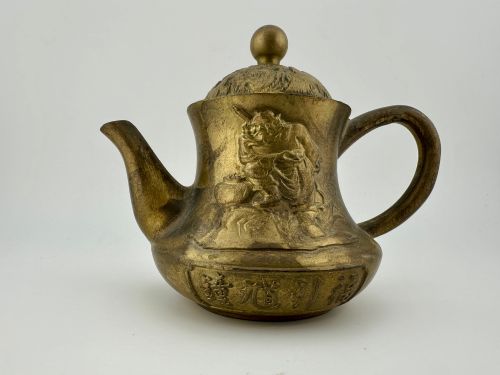
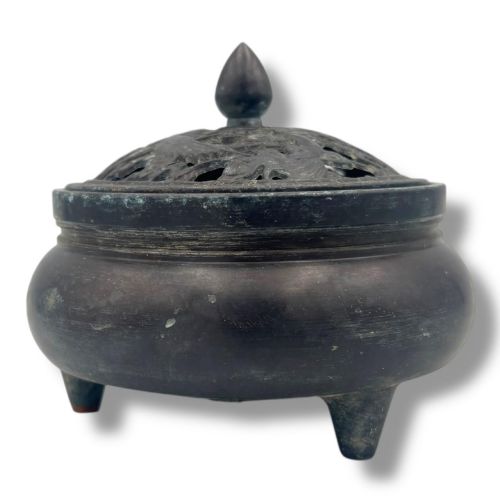
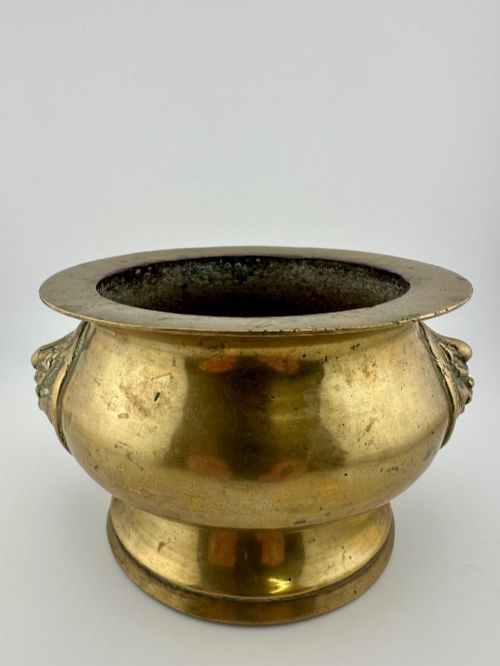
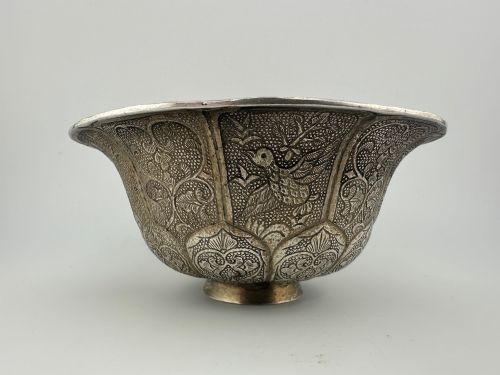
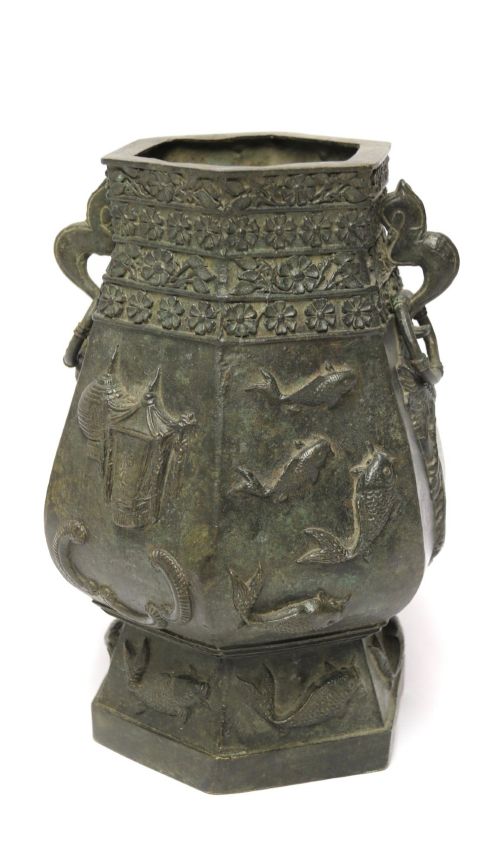
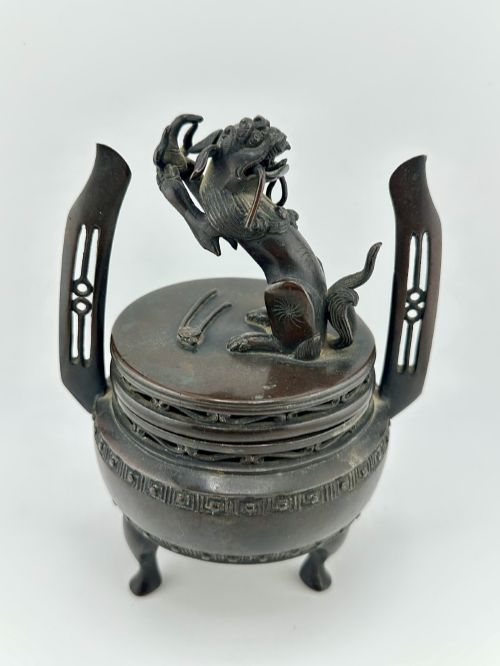
The forms vary widely across the listings, ranging from heavy tripod censers and ritual wine vessels to delicate vases, jardinieres, and teapots. Scholar's table objects and lidded urns appear frequently alongside ceremonial ewers and decorative bowls.
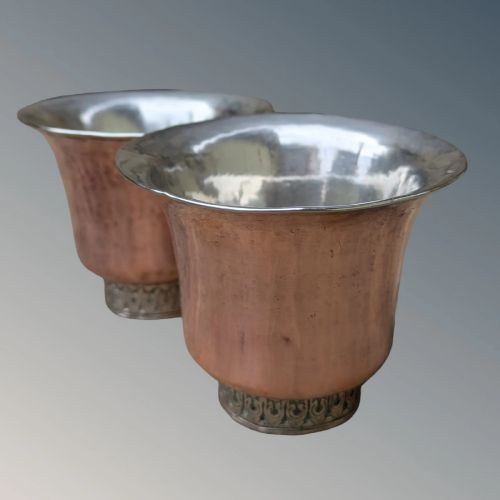
Origins divide primarily between Chinese workshops utilising archaic styles and Japanese metalworkers producing high-relief or inlaid designs. Tibetan copper and silver pieces also contribute distinct regional forms to the selection.
Materials and construction methods
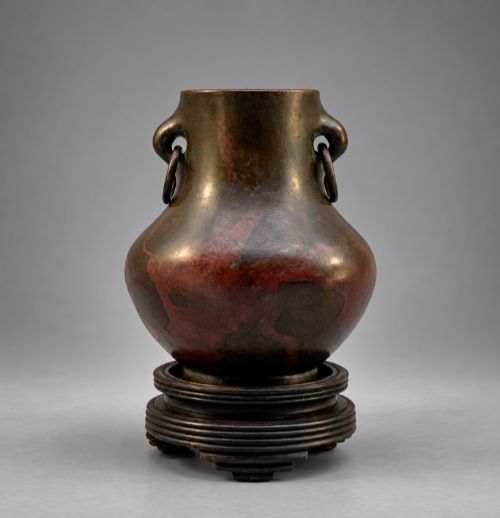
Casting forms the foundation of these objects, utilising bronze, brass, and copper alloy to achieve heavy, solid vessels with substantial weight. Artisans employed lost-wax casting and sectional moulds to create intricate tripod censers and baluster vases.
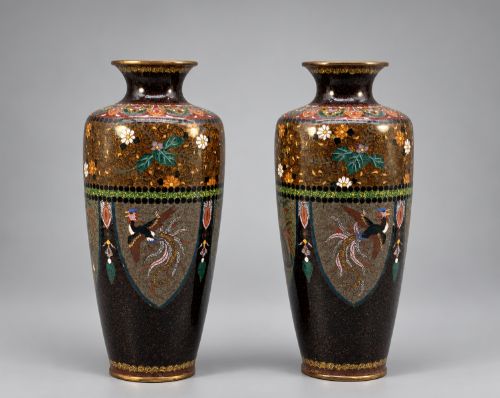
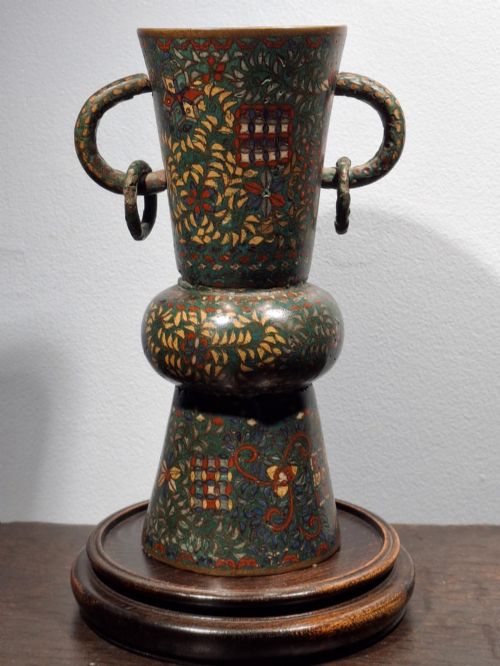
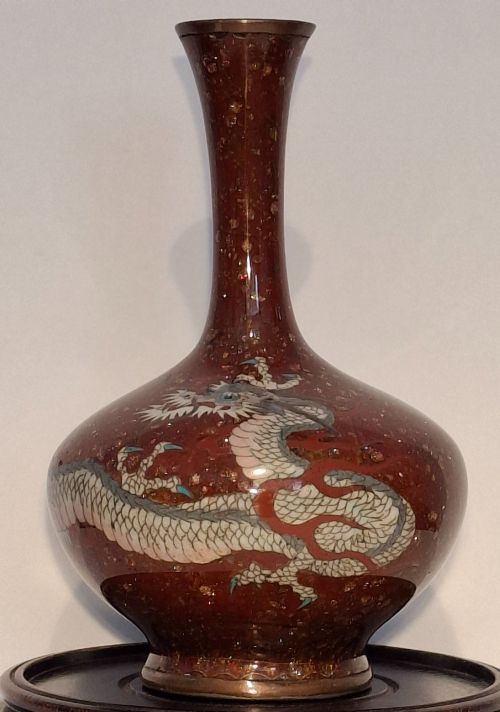
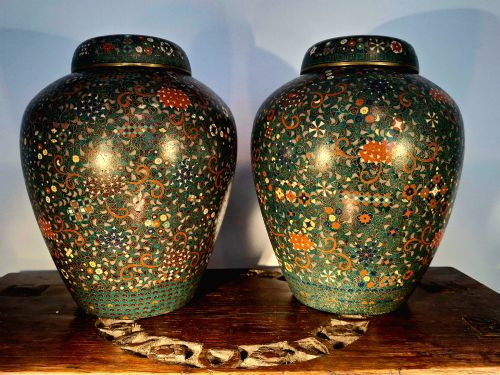
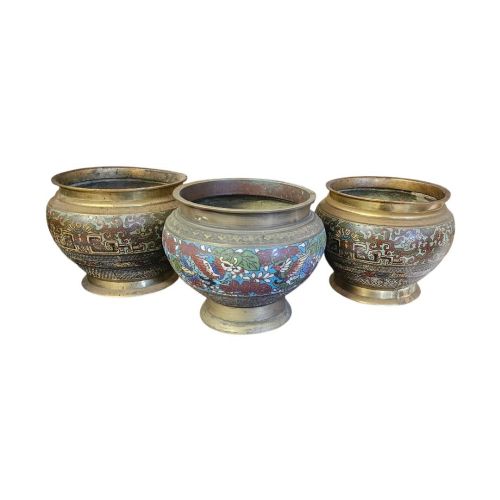
Surface decoration frequently incorporates cloisonné and champlevé enamel work, embedding coloured glass pastes within metal wires or recessed cells. Inlaid details in silver and copper further enhance bronze bodies, alongside high-relief casting of dragons, taotie masks, and Daoist immortals.
The listings span eight distinct centuries, from the 16th-century Ming dynasty up to 1930s copper and brass bowls.
Factors determining quality
Quality rests upon the crispness of the casting and the depth of the metal relief work, where sharper lines on motifs like taotie masks and dragon scales indicate superior craftsmanship. The weight and wall thickness of pieces such as scholar's censers also signal higher standards of production.
The precision of applied enamel work and the integrity of inlaid silver or copper details distinguish finer decorative pieces from simpler production. Additionally, the presence of clear seal marks, such as Xuande or Wu Bangzuo signatures, contributes to a piece's historical interest.
KANASAWA
The Antique Asian Metal Vessels Glossary
- Archaistic
- Describing later pieces that deliberately emulate the forms, decorations, and patinas of ancient ritual bronzes from early dynasties. These items draw on historical aesthetics rather than contemporary innovation.
- Censer
- A vessel designed specifically for burning incense during rituals, ceremonies, or scholar's leisure. They often feature tripod feet, pierced lids, and animal-mask handles.
- Cloisonné
- An enamelling technique where metal strips are soldered to a metal body to create compartments that receive glass paste before firing. The surface is then ground and polished smooth.
- Champlevé
- A technique where troughs or cells are scooped directly out of a thick metal surface to hold enamel paste. This differs from wire-formed compartments.
- Xuande
- Referring to the fifteenth-century Ming emperor whose reign set a benchmark for bronze casting excellence. Later vessels often bear apocryphal Xuande marks to honour this tradition.
Antique Asian Metal Vessels: Frequently Asked Questions
What are antique asian metal vessels made from?
These items utilise a range of metals, predominantly bronze, brass, and copper alloy. Enamel, silver, and wood components also appear across various pieces.
The selection includes cast bronze scholar's objects alongside copper vessels and white metal bowls from different Asian regions.
How were bronze censers used historically?
Tripod censers served as incense burners in domestic scholar's studios, temples, and formal ceremonies. Their lids often allowed fragrant smoke to escape during quiet contemplation.
Many examples feature handles shaped as lions, elephants, or dragons, linking practical function with traditional symbolism.
What is an archaistic bronze vessel?
Archaistic vessels are later pieces created in the style of much older ritual bronzes from dynasties like the Shang or Ming. Makers intentionally utilised ancient forms and motifs, such as taotie masks.
These objects reflect a long-standing reverence for historical metalwork traditions among later artisans and scholars.
How do you distinguish Chinese and Japanese pieces?
Chinese metalwork often leans towards archaistic bronze tripod censers, heavy scholar's pieces, and Qing dynasty ritual forms. These frequently incorporate distinct reign marks and archaic relief panels.
Japanese works on this page frequently originate from the Meiji period, showcasing elaborate bronze vases, lidded urns, and intricate metal inlay by makers like Kanasawa.