


Antique Asian Flatweave Textile
An antique asian flatweave textile brings the bold, graphic patterns and rich tribal history of nomadic weavers directly into domestic interiors.
Antique Asian Flatweave Textile
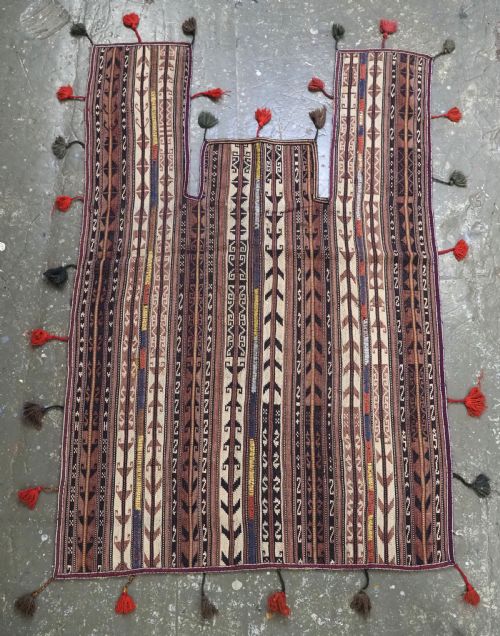
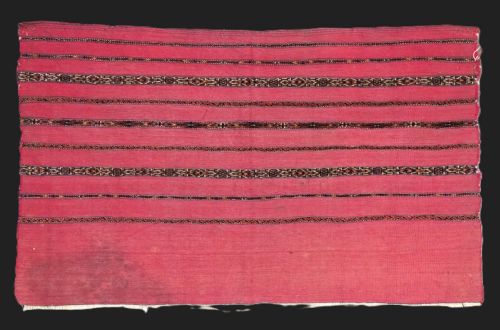
An antique asian flatweave textile encompasses tribal rugs, kilims, and utilitarian household items produced by nomadic and settled groups across Central Asia. These works include horse blankets, storage bags such as chuvals and torbas, tent bands, and panels woven in structured strips.
The pieces on this page originate predominantly from Turkmen, Uzbek, and Afghan tribal groups, spanning the mid-nineteenth century through the early twentieth century. Examples range from compact saddlebag faces to substantial yurt bands reaching significant lengths.
Makers utilised flatweave techniques to create functional textiles for daily nomadic existence, which now survive as decorative panels and floor coverings. Buyers encounter specific regional variations, including Tekke, Yomut, and Ersari tribal expressions.
What Varies In Quality
Quality rests in the precision of the weave and the tightness of the structural execution, visible in fine, uniform knotless structures and crisp graphic lines. Superior examples maintain structural integrity, retaining original backs, tassels, and selvedges.
The handling of natural dyes dictates the visual success of the piece, with complex tonal variation separating standard panels from masterworks. The intricacy of tribal motifs and the survival of complete utilitarian forms heavily influence desirability.
The inventory highlights nomadic styles including Tekke, Yomut, Ersari, Uzbek, and Afghan tribal traditions.
The Antique Asian Flatweave Textile Glossary
- Chuval
- A large storage bag used by Turkmen nomads for household goods inside the yurt. These items often feature distinctive gul motifs arranged in rows.
- Torba
- A smaller storage bag utilised within nomadic tents, typically hung against the lattice walls. They display banded or compartmentalised geometric designs.
- Kilim
- A flatweave textile produced without pile by tightly interweaving warp and weft strands. This technique creates a smooth, reversible surface with sharp pattern edges.
- Tent Band
- A long, narrow woven strip used structurally to secure the framework of a nomadic yurt. These bands showcase dense repeating geometric patterns across their length.
- Suzani Kilim
- A hybrid textile combining flatwoven kilim panels with decorative embroidery work. They often appear as multi-strip constructions joined together.
Antique Asian Flatweave Textile: Frequently Asked Questions
How were these tribal textiles originally used?
Nomadic communities utilised these woven pieces for practical domestic functions inside tents and during migration. They served as storage bags for household possessions, horse covers, tent bands, and floor coverings.
Over time, items like saddlebags and tent panels became prized for their portable artistry. Their daily utility shaped their robust materials and geometric construction methods.
What is a flatweave textile?
A flatweave is constructed by interlacing warp and weft threads without creating a raised pile surface. This technique produces a thin, durable fabric that lies flat on floors or hangs easily on walls.
Without knots to obscure the pattern, the weaver achieves sharp, graphic geometric designs. Examples include kilims, tent bands, and various nomadic storage containers.
How do you date an antique tribal textile?
Dating relies on assessing the materials, dye types, structural wear, and specific tribal design characteristics. Hand-spun wool and natural colour palettes typically point towards nineteenth-century production.
Structural evidence such as natural dye fading and regional weaving traits help establish approximate production decades. Comparative analysis with documented tribal pieces refines these timelines further.
How do you care for an antique flatweave?
Preservation requires gentle handling, minimal direct sunlight, and regular light vacuuming without a rotating brush. Keeping the textiles away from excessive moisture protects the historic wool and natural dye foundations.
Using a breathable underlay helps secure flatweaves placed on floors. Professional textile conservationists should handle any necessary cleaning or structural repairs.