



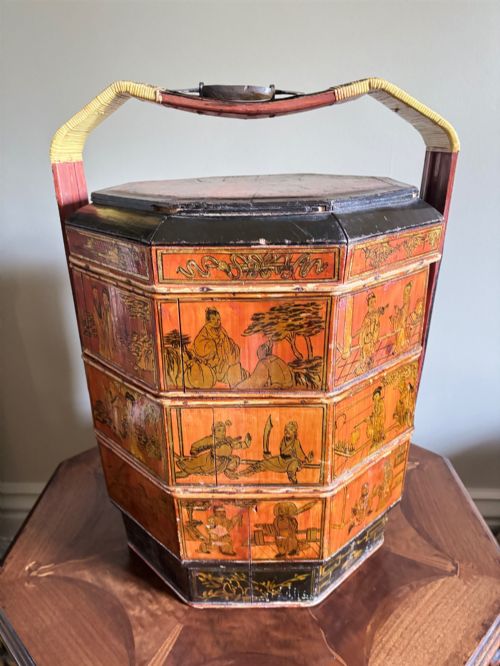
Antique Asian Box
An antique asian box brings centuries of regional craftsmanship into a modern interior, offering small-scale storage with immense decorative presence.
Antique Asian Box
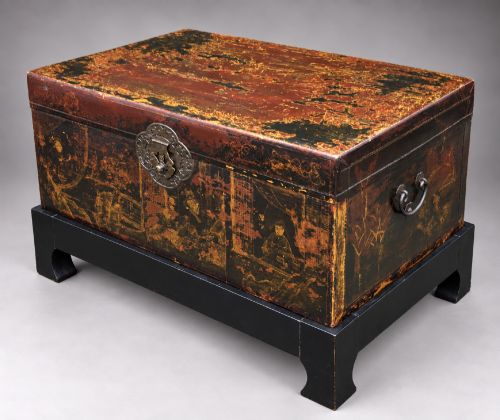
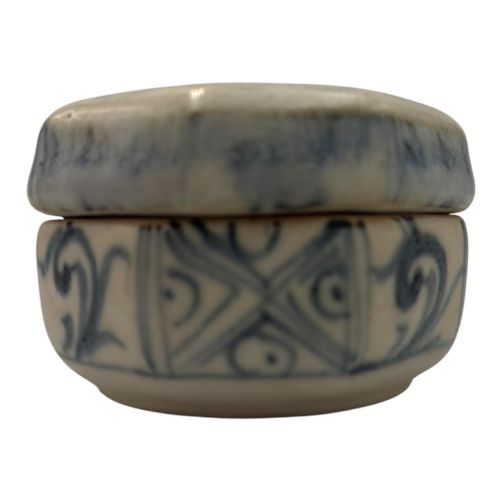
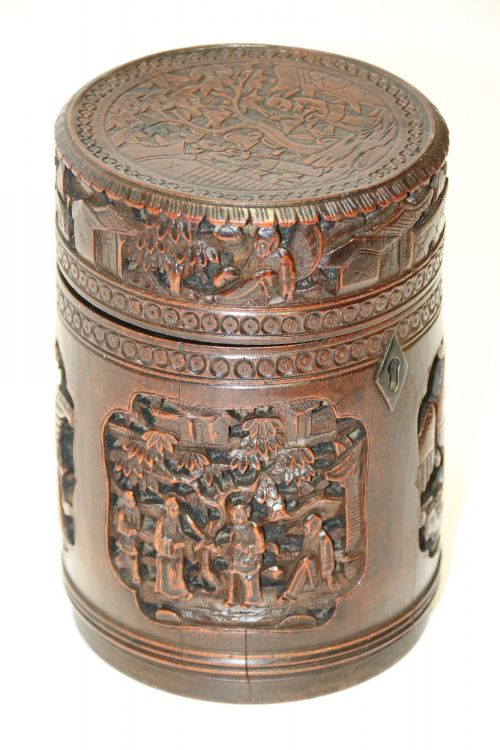
When you search for an antique asian box, you encounter a diverse array of containers spanning distinct regional traditions and utilitarian purposes. The selection encompasses compact items such as jewellery caddies, snuff containers, and tea boxes alongside larger storage chests and dowry baskets.
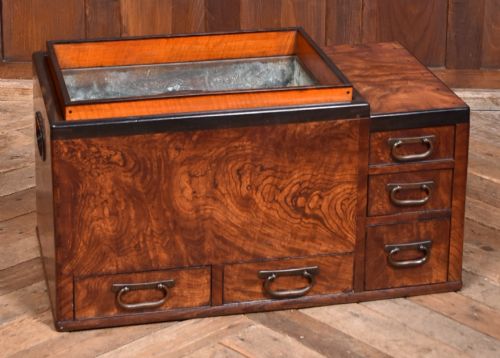
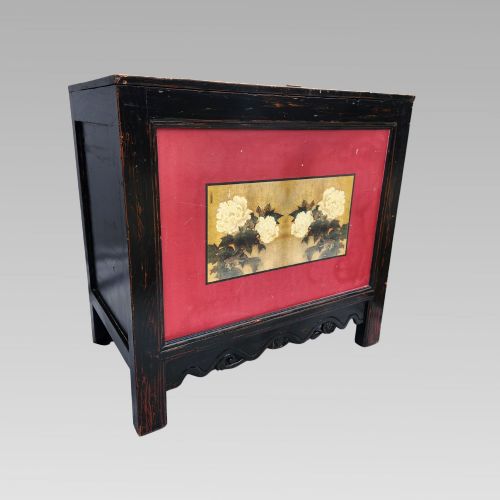
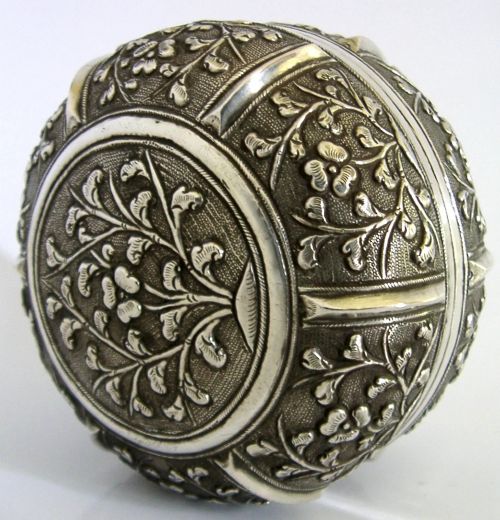
Most examples originate from China and Japan, with pieces emerging from the Qing Dynasty and the Japanese Meiji period. You also find specialised forms including silver-inlaid bronze betal boxes from Mindanao, carved camphorwood trunks, and lacquered table cabinets.
The materials and construction reflect the specific craft heritage of each region, utilising indigenous timbers and specialised surface treatments. These objects served varied domestic and ceremonial functions before finding a place in contemporary collections.
Assessing Craftsmanship
The calibre of an antique asian box rests primarily on the precision of its construction and the complexity of its decorative programme. Superior examples display crisp, deep carving in lacquer or wood, where intricate motifs remain sharp and well-defined.
Material selection dictates much of the inherent value, with dense native hardwoods and heavy gauge silver or bronze superior to secondary woods or thin plating. The condition of delicate surface treatments, such as intact gold leaf or unblemished lacquer layers, distinguishes finer pieces from heavily worn alternatives.
Original hardware, including functional brass hinges, locks, and clasps, contributes significantly to the integrity of the piece. Subtle details in the joinery and the harmonious balance of proportions indicate the skill of the original maker.
A delightful Japanese tobacco box comes paired with a figural pipe holder depicting Daruma.
The Antique Asian Box Glossary
- Kodansu
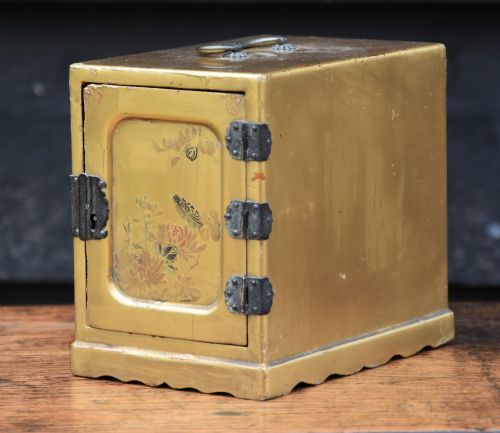
- A small Japanese tabletop cabinet featuring multiple drawers and compartments, traditionally used for storing documents or valuables. These miniature pieces often display intricate lacquerwork and metal mounts.
- Inro
- A traditional Japanese portable case for holding small objects, suspended from a sash by a toggle. They comprise multiple nested tiers held together by a cord.
- Cinnabar
- A carved red lacquer technique where numerous layers of lacquer are built up on a core before being deeply carved with figurative or botanical scenes. The resulting surface has a distinctive weighty feel and rich crimson hue.
- Cloisonne
- An enamelwork technique where thin metal wires are soldered to a metal base to form compartments filled with vitreous paste, then fired and polished. This method creates vibrant, patterned surfaces on lidded bowls and vessels.
- Tansu
- A traditional mobile Japanese storage chest constructed from timber with prominent iron hardware. These units were built for versatility and domestic organisation.
Antique Asian Box: Frequently Asked Questions
What were antique asian boxes used for?
These containers served specific domestic, ceremonial, and storage functions within their original cultural contexts. Uses ranged from holding tea leaves, documents, and personal jewellery to storing betel nuts and monetary coinage.
Larger trunk variants accommodated textiles and dowry items, while smaller desktop cabinets kept writing implements secure. Their design directly reflected the daily rituals and organizational needs of the households that commissioned them.
How do I identify a Japanese Meiji period box?
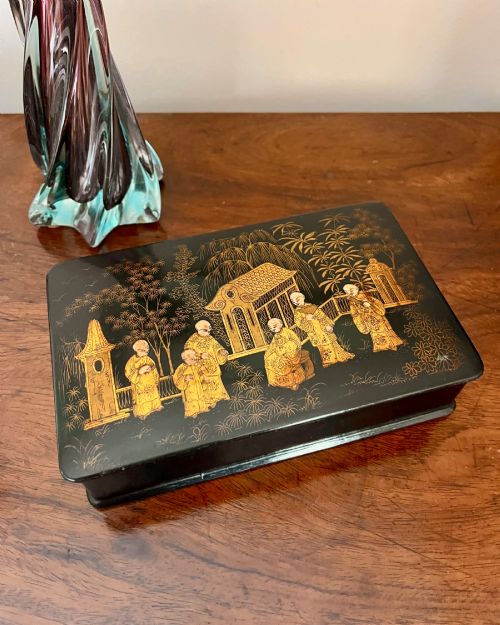
Pieces from the Meiji era frequently exhibit sophisticated lacquer techniques, such as gilt highlights on black grounds, or refined metalwork like cloisonne enamel. Makers during this time produced highly decorative items intended for both domestic use and the burgeoning export market.
Examining the base, interior linings, and hardware often reveals the manufacturing standards characteristic of late nineteenth-century workshops. The decorative motifs typically feature naturalistic flora, fauna, or traditional landscape scenes.
How should I clean a lacquered wood box?
Lacquered surfaces require gentle maintenance to preserve the integrity of the finish and prevent micro-cracking. Dusting should be performed softly with a dry, lint-free cloth without applying chemical polishes or modern cleaning agents.
Keep these objects away from direct sunlight and dramatic humidity fluctuations, which can destabilize ancient wood and lacquer. Stable indoor environments ensure the continued preservation of delicate surface layers.
What is Chinese export lacquer?
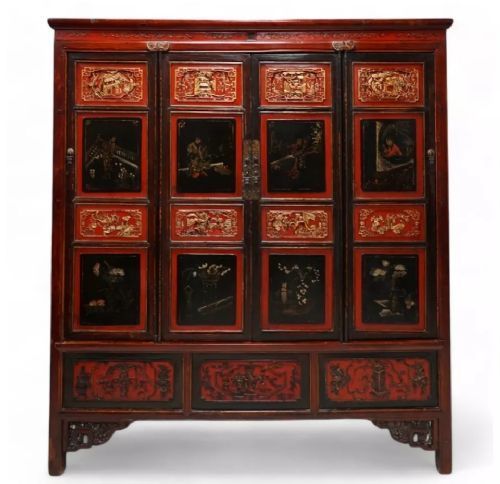
Chinese export lacquer refers to pieces manufactured in China specifically for Western trade markets during the eighteenth and nineteenth centuries. These items often combined traditional Asian forms and motifs with European furniture shapes to appeal to foreign buyers.
The resulting objects frequently display rich black or red grounds decorated with gilded Chinoiserie landscapes, figures, and pavilions. They demonstrate the cross-cultural exchange of design ideas between Eastern workshops and European clientele.