



Antique Art Nouveau Desk
An antique art nouveau desk brings flowing floral lines and organic forms into a workspace, combining period practicality with distinctive decorative character.
Antique Art Nouveau Desk
An antique art nouveau desk search gathers writing furniture, bureaus, and associated table accessories from the late nineteenth and early twentieth centuries. These pieces reflect the broader aesthetic movements of the Victorian, Edwardian, and Arts and Crafts periods.
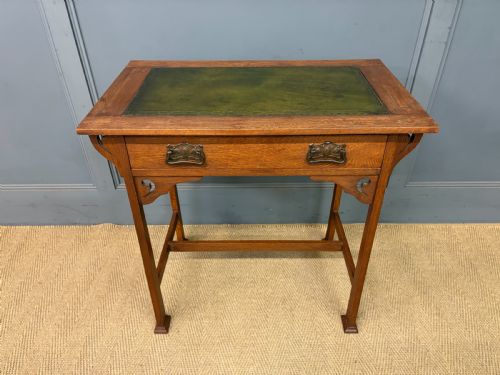
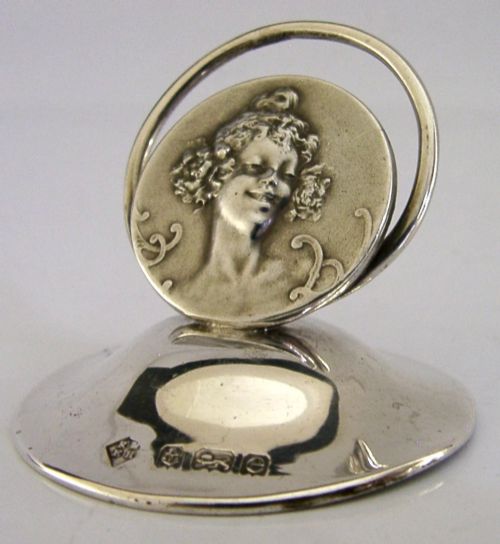
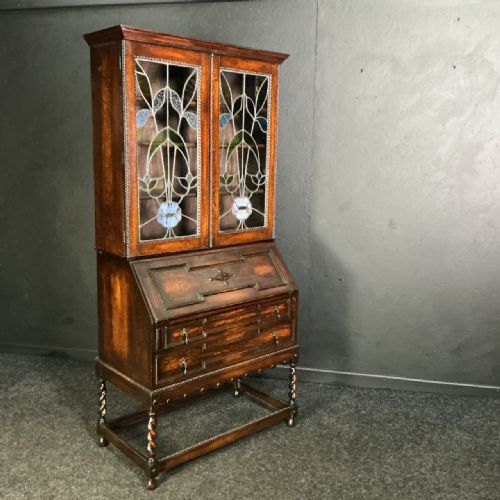
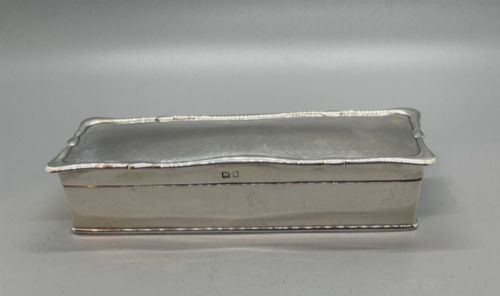
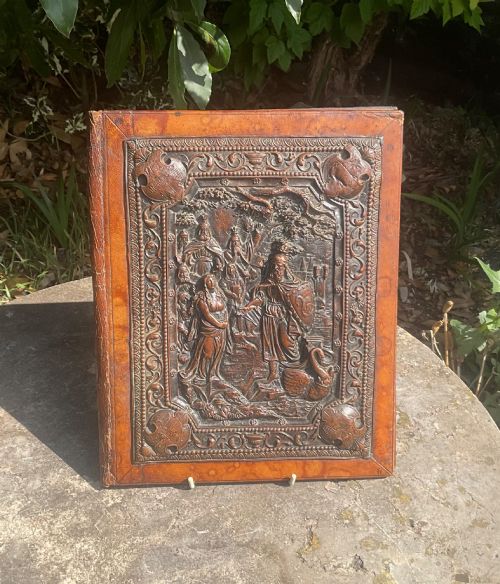
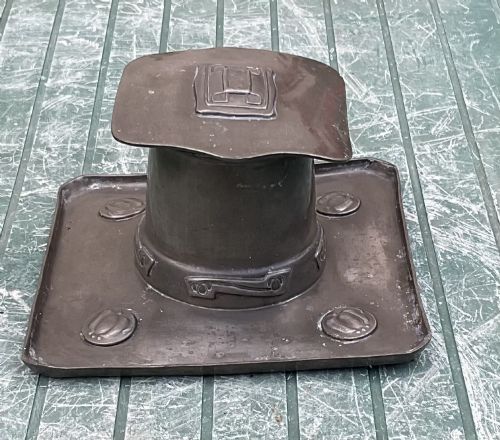
Buyers commonly encounter substantial oak or mahogany writing cabinets, bureau bookcases, and smaller items such as sterling silver photo frames, inkwells, and desk blotters. The designs borrow heavily from natural motifs, featuring whiplash lines and stylized plant forms.
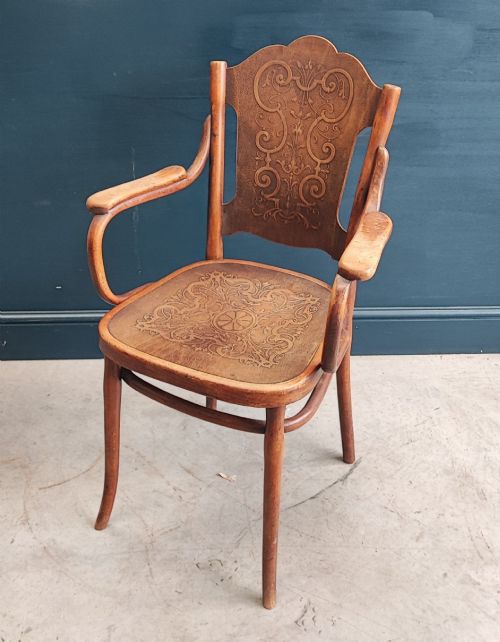
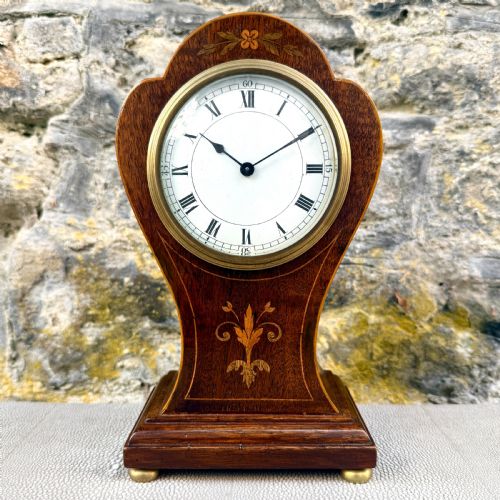
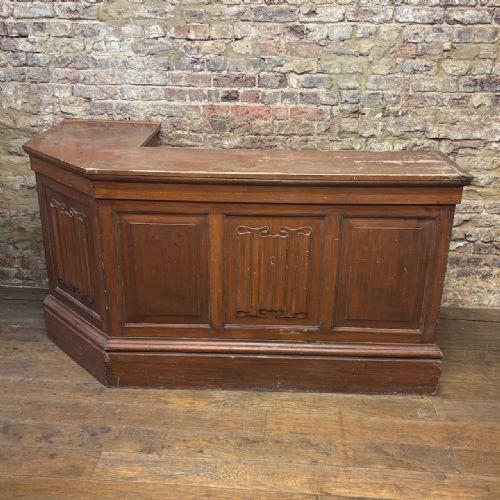
Originating largely from British, French, Austrian, and German workshops, the items span various forms from utilitarian commercial counters to domestic seating and decorative timepieces.
Materials and construction
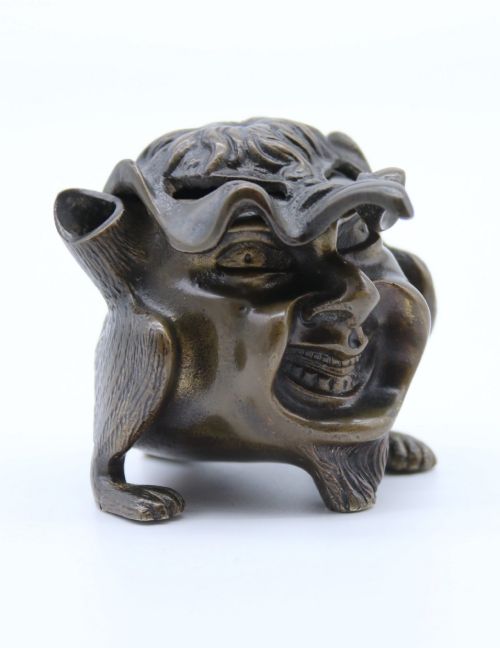
Cabinetry relies on solid hardwoods like oak, beech, and mahogany, frequently shaped with carved panels and inlaid details. Metalwork utilises cast brass, copper, bronze, and pewter, often complemented by silver plating or sterling silver elements.
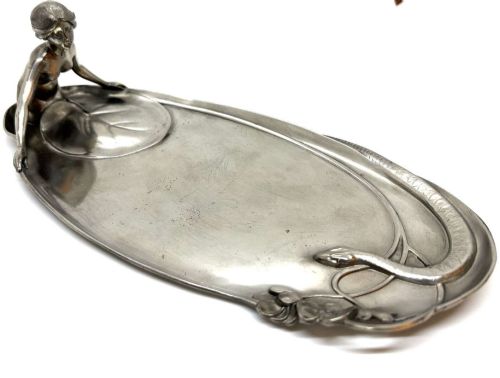
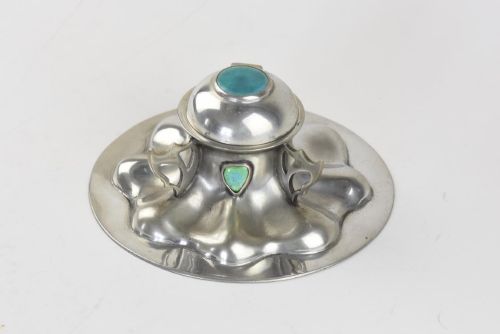
Decorative surfaces frequently incorporate enamel work, glass cabochons, mother of pearl, and abalone shell. Pewter items often employ specialised casting techniques characteristic of prominent Liberty productions and continental metal workshops.
Antique Art Nouveau Desk Retail Price Guide 2026
Typical asking prices for art nouveau desk among the pieces listed under this phrase on Sellingantiques today, from the lower quarter to the upper quarter. They describe what is for sale here now, not the wider market.
Listings demonstrate a strong representation of nineteen hundreds production, utilising sterling silver, oak, mahogany, and polished pewter.
Judging the standard
Quality rests upon the crispness of the casting in metalwork and the depth of carving in wooden furniture. Pieces produced by recognised designers or prominent retail houses exhibit superior finishing and thoughtful integration of materials.
The sophistication of decorative accents, such as hand-applied enamel or carefully set cabochons, distinguishes standard utilitarian items from exceptional artistic examples.
Archibald Knox·William Hutton and sons·Gustave Serrurier Bovy·Maple and Co·Louis Auguste Moreau·Friedrich Adler
The Antique Art Nouveau Desk Glossary
- Tudric
- A brand name used by Liberty & Co. for high-quality pewter ware, often associated with designs by Archibald Knox.
- Secessionist
- A stylistic offshoot of the movement, particularly prominent in Austro-Hungarian design, emphasising geometric abstraction alongside organic curves.
- Jugendstil
- The continental German-language variant of the aesthetic, named after the Munich art periodical.
- Cabochon
- An unfaceted gemstone or coloured glass polished into a convex dome, frequently used to embellish metalwork and clocks.
- Secretaire
- A writing cabinet featuring a fall-front flap that conceals a fitted interior of small drawers and pigeonholes.
Antique Art Nouveau Desk: Frequently Asked Questions
How do I identify a genuine piece?
Examine the construction methods, materials, and stylistic motifs typical of the period around nineteen hundred. Look for appropriate hallmarks on silver components and maker signatures on metalwork.
Genuine items display period-correct joining techniques, honest material wear, and characteristic organic ornamentation rather than modern machine reproductions.
What woods were commonly used?
Cabinet makers predominantly utilised oak and mahogany for larger furniture items and bureau bookcases. Beech also appears frequently in chair frames.
These timbers provided the structural stability needed for carved decoration and inlaid surfaces characteristic of the era.
Are desk accessories part of this style?
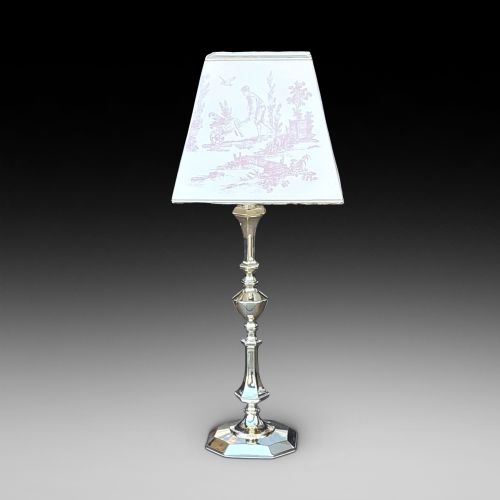
Small desktop items form a significant category, including inkwells, blotters, menu holders, and photograph frames. These pieces often incorporate pewter, brass, and sterling silver.
Matching desk accessories allowed Victorian and Edwardian households to maintain a cohesive aesthetic throughout a study or morning room.
How should I care for wooden items?
Maintain timber furniture by keeping it away from direct heat sources and sudden temperature fluctuations. Regular dusting with a soft cloth preserves the finish.
Avoid modern silicone polishes, opting instead for traditional natural waxes to nourish the antique wood surfaces over time.