


Antique Art Metal
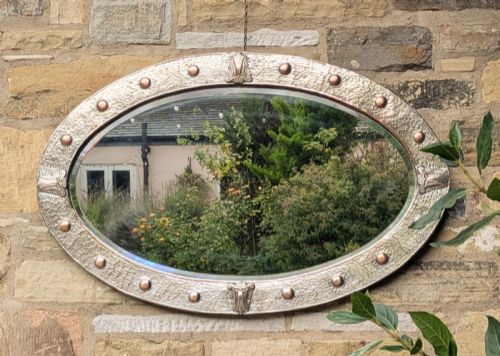
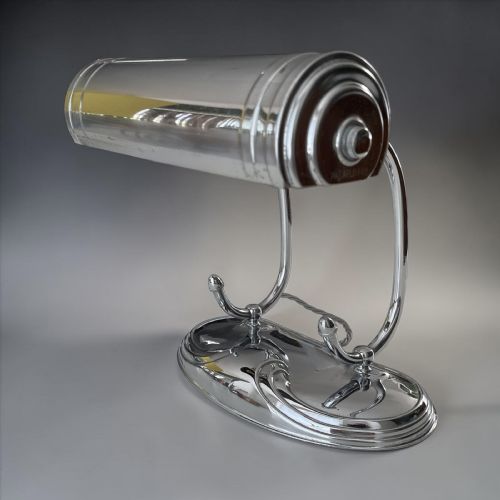
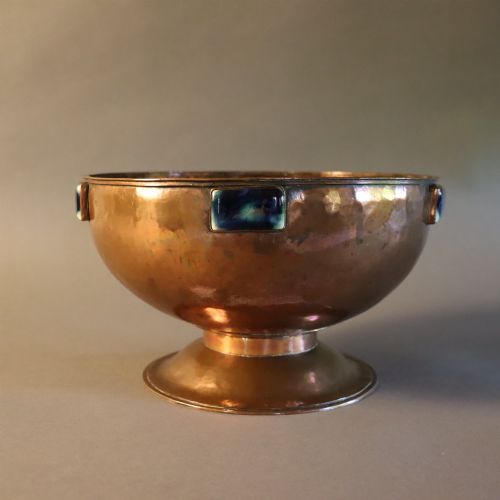
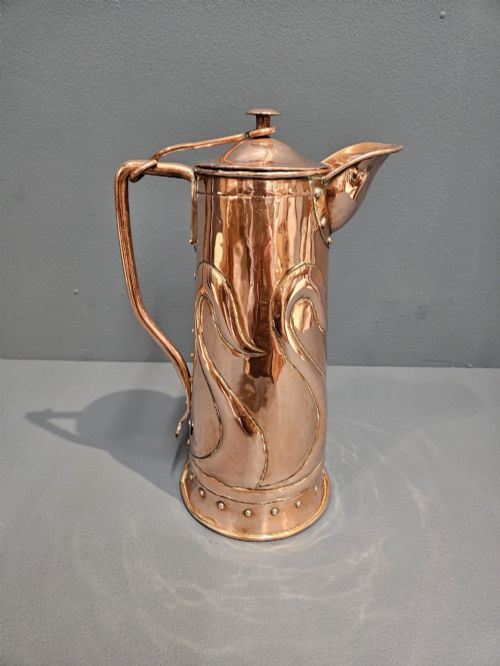
These pieces of antique art metal span decorative vessels, lighting and sculpture from the nineteenth and twentieth centuries.
Antique Art Metal
You are likely to meet domestic items in copper, brass, bronze and pewter that reflect both mass production and individual workshop output. These objects served functional roles in homes while demonstrating the prevailing design priorities of their respective periods.
How these metal objects were made
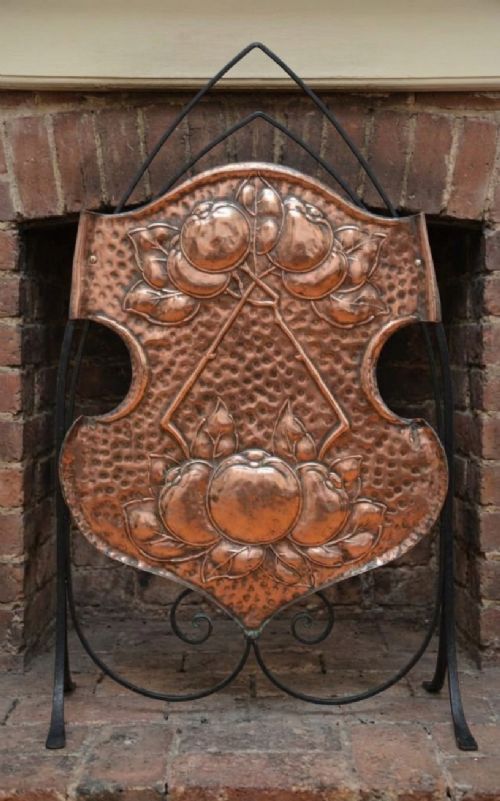
Makers utilised a variety of casting, hammering and soldering techniques depending on the metal and the desired form. Bronze and spelter sculptures were cast from moulds, whilst copper and brass vessels often display hand-hammered surfaces from the Arts and Crafts tradition.
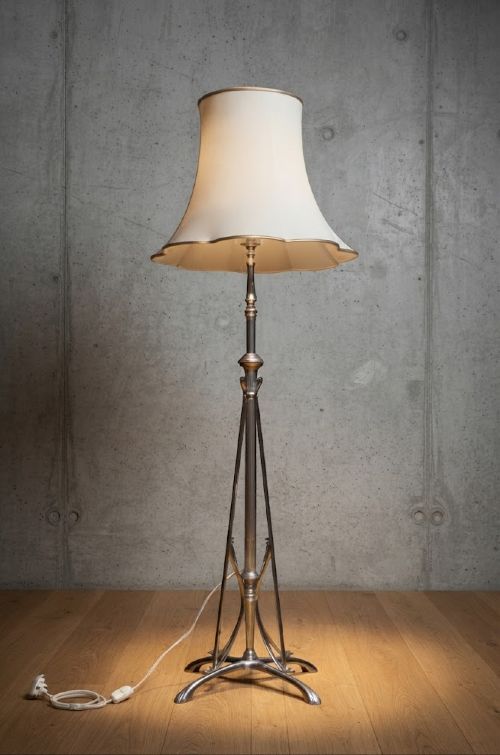
Enamelling techniques such as cloisonné and champlevé applied coloured glass pastes to metal bases before firing, creating intricate patterns on vases and small decorative items. Wrought iron pieces were forged by hand or at the anvil, producing structural fireplace furniture and floor lamps with visible tool marks.
Antique Art Metal Retail Price Guide 2026
Typical asking prices for art metal among the pieces listed under this phrase on Sellingantiques today, from the lower quarter to the upper quarter. They describe what is for sale here now, not the wider market.
Materials represented include brass, bronze, copper, wrought iron, pewter and silver plate.
What separates the best from the rest
Quality in these metal objects rests on the crispness of the casting and the retention of original surface finishes, such as cold-painted details or patination. Pieces that retain their makers' marks or bear attribution to known designers demonstrate higher execution standards.
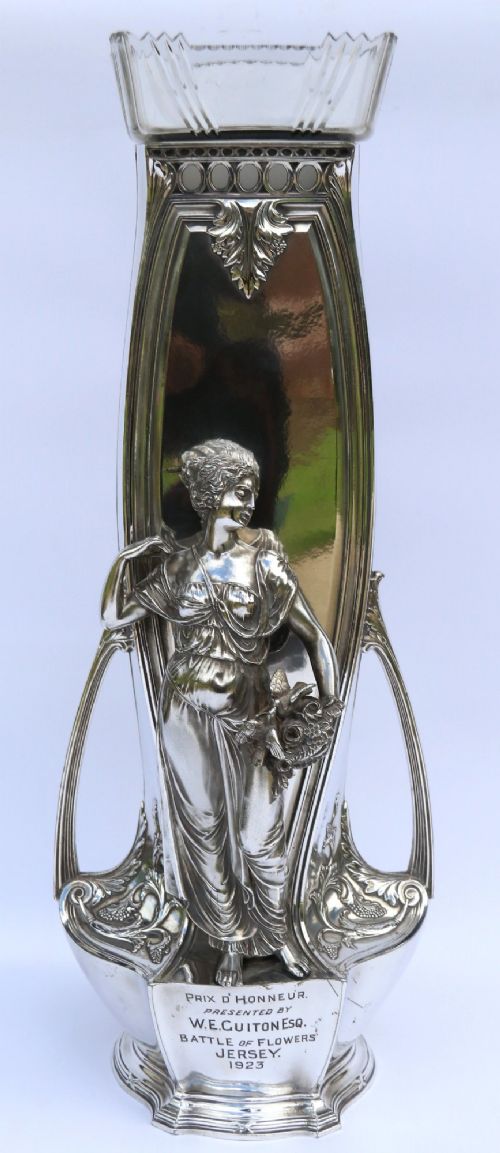
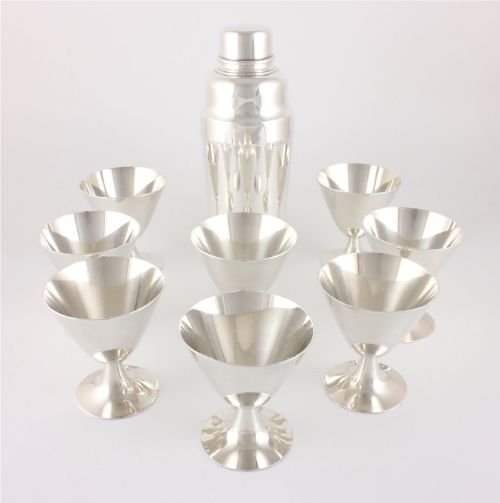
The integrity of applied decoration, whether enamel work on vases or silver plating on trays and ice buckets, dictates the distinction between standard domestic items and superior examples. Structural stability in complex furniture and lighting also separates everyday utilitarian items from finer decorative works.
Christofle·Gustave Dussart·D. H. Chiparus·Jean de Roncourt·Archibald Knox for Liberty and Co·Keith Murray For Mappin & Webb
The Antique Art Metal Glossary
- Cloisonné enamel
- A metalwork technique where thin wire partitions are affixed to a metal base to create cells filled with vitreous enamel paste. This method produces intricate decorative patterns on vases and ritual vessels.
- Spelter
- An alloy based on zinc, frequently used as a cheaper alternative to bronze for sculptural figures during the early twentieth century. It is often painted or bronzed to simulate more expensive metals.
- Repoussé
- A metalworking method in which a design is hammered into relief from the reverse side of a sheet of metal. This technique appears frequently on copper chargers and decorative plaques.
- Plafonnier
- A ceiling light fixture with a bowl-shaped shade mounted close to the ceiling. These fixtures often combine moulded glass with metal mounts from the Art Deco period.
- Snuff mull
- A container used for holding powdered tobacco, typically fashioned from animal horn or metal. Scottish examples often incorporate carved details and metal mounts.
Antique Art Metal: Frequently Asked Questions
How do I identify Art Deco metalwork?
Art Deco metalwork relies on strong geometric lines, stylised animal and human figures, and streamlined industrial forms produced primarily during the 1920s and 1930s. Materials such as chrome, silver plate, bronze and wrought iron predominate.
Look for symmetry, stepped motifs and smooth finishes that reflect the machine age. Signatures from makers or designers often appear on the bases or edges of these pieces.
What is the difference between bronze and spelter?
Bronze is a durable alloy of copper and tin that yields a heavy, resonant sculpture capable of holding fine detail and developing a rich natural patina over time. Spelter is a softer, zinc-based alloy that feels lighter and requires surface paint or plating to resemble bronze.
Many decorative figures from the early twentieth century utilise spelter as an economical alternative to bronze. Examining the underside or any areas of wear reveals the paler grey metal beneath the surface finish.
How do I care for Japanese cloisonné enamel?
Japanese cloisonné enamel pieces from the Meiji period require careful handling to protect the delicate glass paste cells and thin metal wires. Keep them away from direct sunlight and extreme temperature fluctuations to prevent crazing in the enamel.
Dust the surface gently with a dry microfibre cloth. Avoid washing or immersing these pieces in water, particularly where the metal base is exposed.