

Antique Art Glass Bowl
An antique art glass bowl brings colour and light into a room, capturing the distinct design movements of the late nineteenth and early twentieth centuries.
Antique Art Glass Bowl
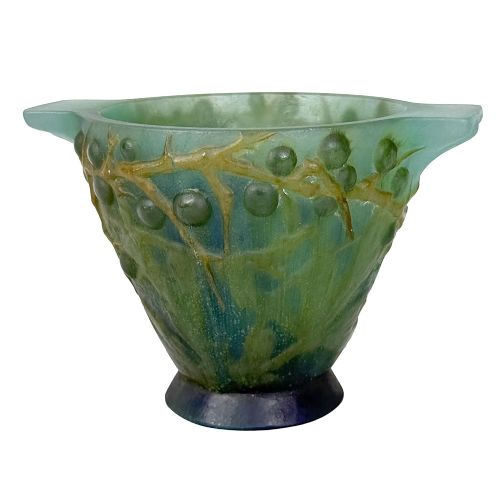
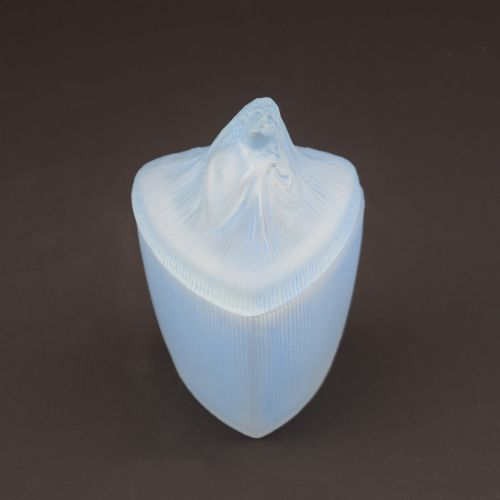
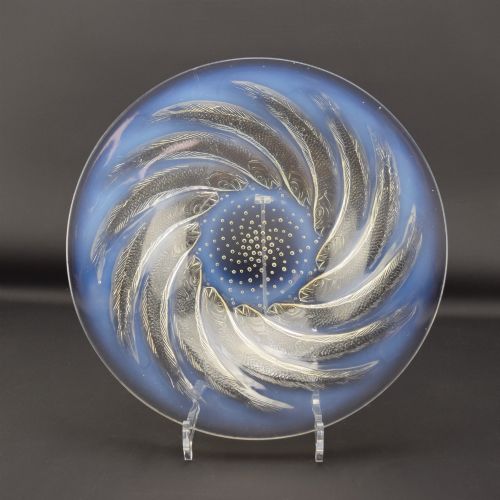
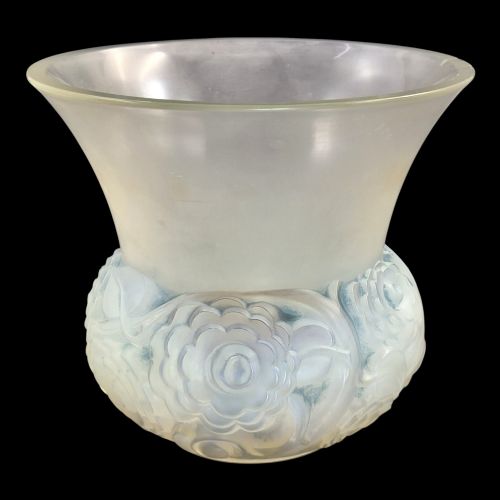
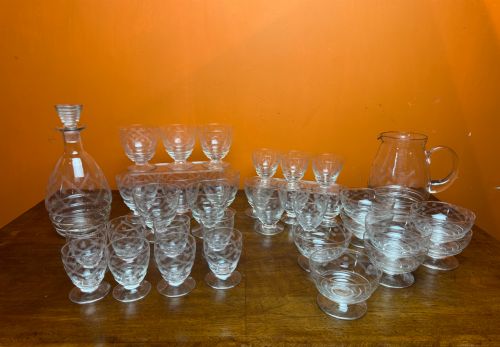
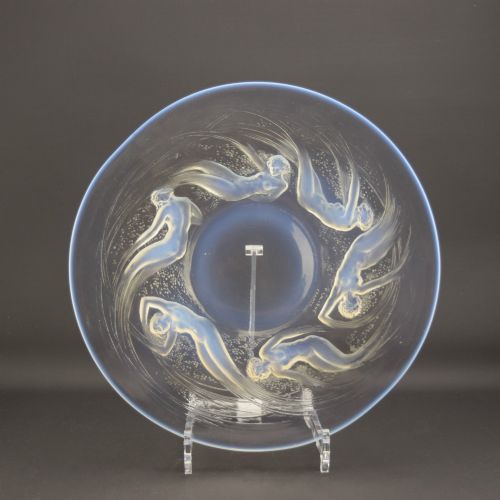
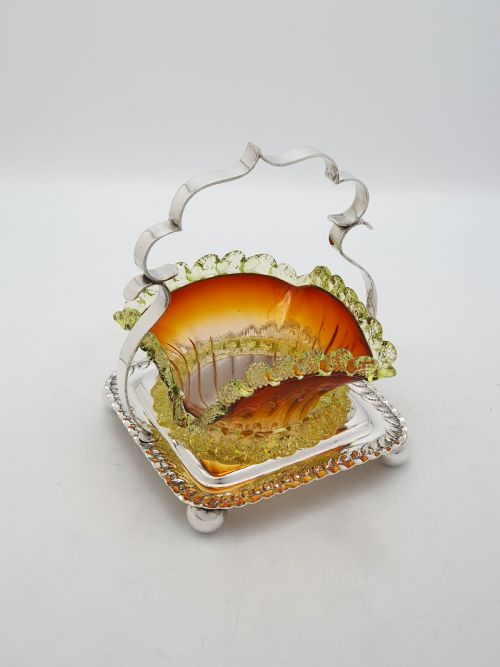
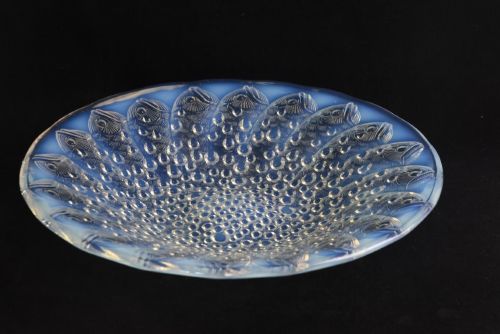
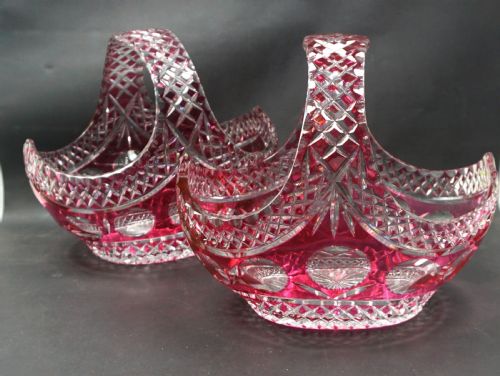
An antique art glass bowl encompasses decorative vessels shaped by major design shifts from the Victorian era through the Art Deco period. Buyers encounter opalescent creations, cut crystal centerpieces, and delicate pieces featuring silver-plated mounts or enamel work.
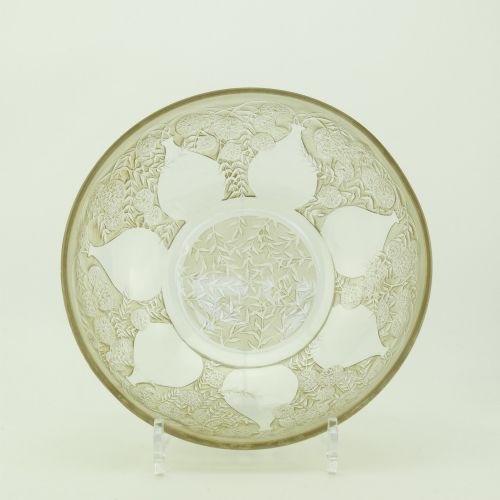
The selection ranges from French opalescent vessels and pate de verre pieces to English Arts and Crafts designs and Venetian glassworks. Forms vary from shallow shallow chargers and pedestal bowls to small powder boxes and bonbon dishes.
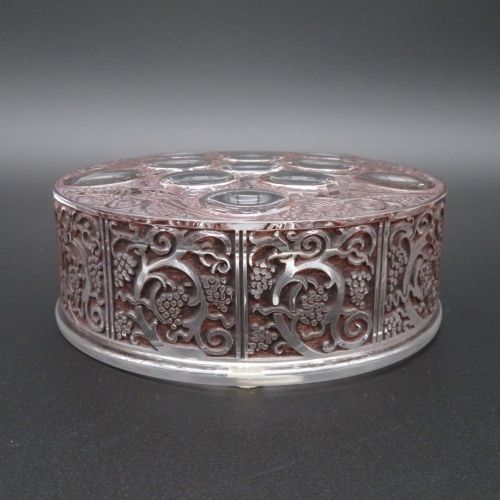
Originating largely from British, French, and Belgian makers, these items reflect the transition from ornate Victorian styles toward the geometric lines of the twentieth century. The frequent survival of matched silver-plated or sterling silver frames demonstrates their original utility on dining tables and dressing stations.
Materials and construction
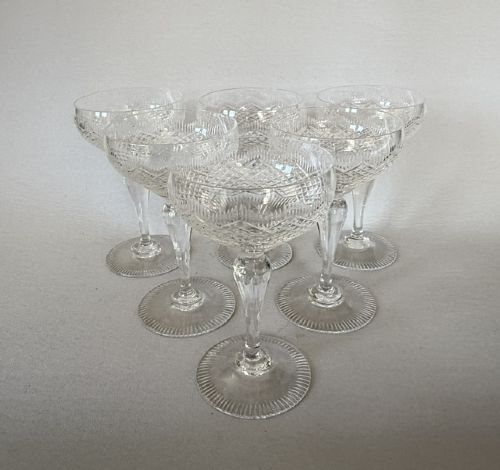
Makers utilised various glass formulations, combining clear crystal with frosted, opalescent, vaseline, and over-layer glass to achieve depth and texture. Techniques such as mould-pressing, wheel-cutting, and pate de verre allowed artisans to manipulate colour and light effectively.
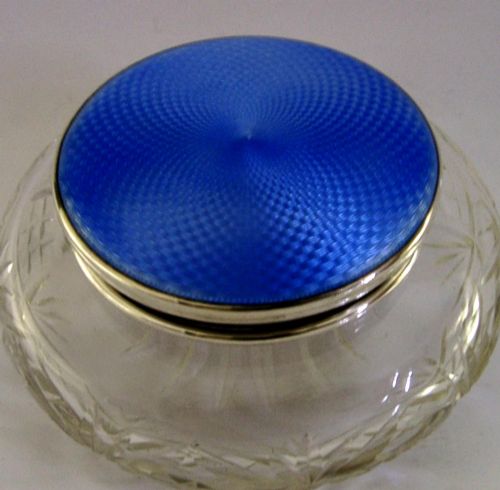
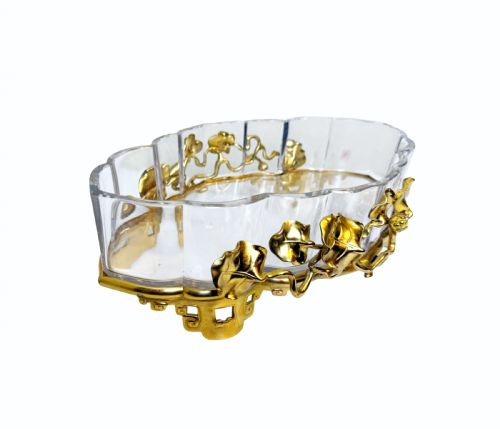
Metalwork frequently complemented the glass body, incorporating sterling silver, silver plate, brass, and gilt bronze mounts. Enamelling, gilding, and millefiori cane work were often added to enhance the surface detail of the vessel.
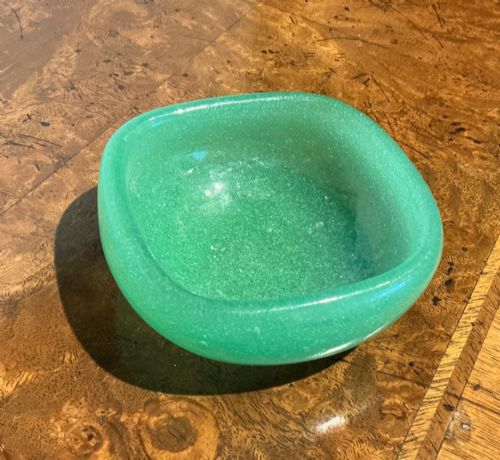
Several pieces preserve tiny air bubbles trapped within the molten glass by nineteenth-century artisans.
Judging the range
Quality rests upon the crispness of the glass moulding, the depth of the cut or pressed relief, and the harmony between the glass body and any metal mounts. Superior pieces display deliberate control over opalescent shading and colour saturation.
Signatures, factory marks, and attributed designs by notable glassworks separate standard production items from masterworks. The integration of hand-finished enamelling or complex layered glass further elevates the standing of a piece.
Rene Lalique·Amalric Walter·Val St Lambert·Stuart·Baccarat·Salviati
The Antique Art Glass Bowl Glossary
- Opalescent glass
- Glass that milky or bluish translucence when lit from certain angles, commonly utilised in early twentieth-century decorative pieces.
- Pate de verre
- A glass-casting method where crushed glass is packed into a mould and fused in a kiln, producing a dense texture and varied colour.
- Vaseline glass
- Uranium glass that exhibits a distinct yellow-green fluorescence under ultraviolet light, prevalent during the Art Nouveau period.
- Latticinio
- Venetian glass technique featuring fine white or coloured glass threads embedded within clear glass in linear or reticulated patterns.
- Millefiori
- Glasswork method involving bundled coloured rods sliced to reveal floral cross-sections, frequently seen in decorative bowls.
- Plafonnier
- A ceiling-mounted glass bowl light fixture popular during the Art Deco era.
Antique Art Glass Bowl: Frequently Asked Questions
How do I clean an antique glass bowl?
Wash the item gently by hand in lukewarm water using mild dish soap, avoiding abrasive sponges or harsh chemical cleaners that might damage delicate surface finishes.
Dry the vessel thoroughly with a soft lint-free cloth to prevent water spots, taking extra care with pieces that incorporate silver mounts or enamel decoration.
Can I use these bowls for serving food?
Many of these vessels functioned originally as dining table centerpieces, fruit dishes, or bonbon holders, making them suitable for dry foodstuffs or presentation purposes today.
Avoid subjecting antique glass to sudden temperature changes or acidic liquids, particularly pieces with delicate enamel or metal frames.
How do I date an art glass bowl?
Examine the stylistic traits, such as the curved floral motifs of Art Nouveau or the sharp geometric styling characteristic of Art Deco design.
Look for factory marks, engraved signatures, or associated hallmarked silver mounts that provide precise manufacturing years and maker attributions.