



Antique Armours
When you search for antique armours, you encounter oil paintings of gentlemen in steel, alongside actual helmets, swords and nineteenth-century interpretations.
Antique Armours
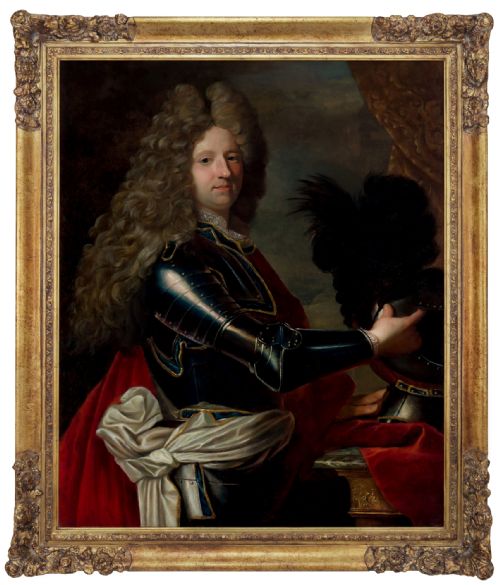
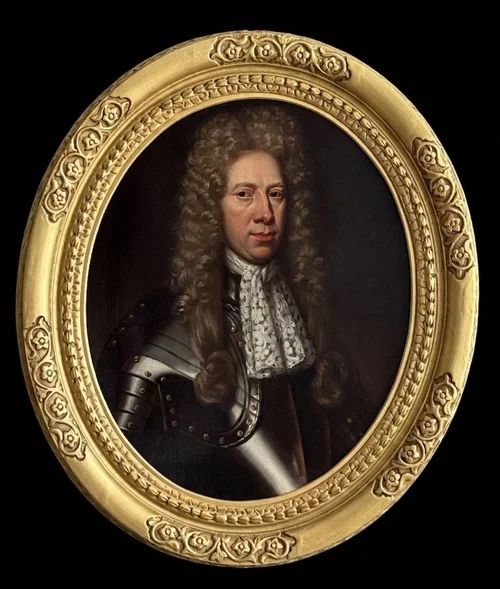
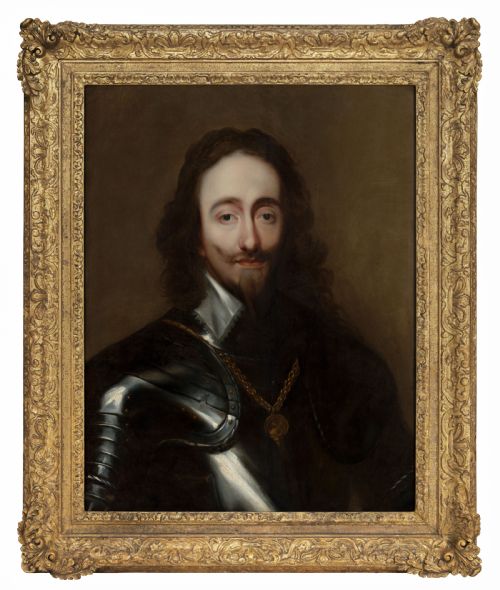
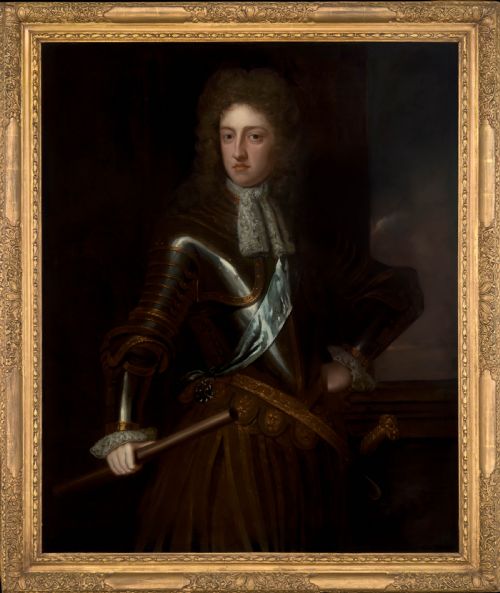
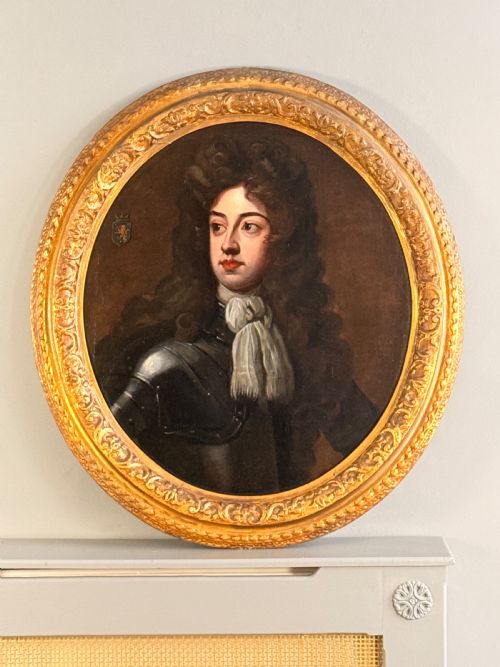
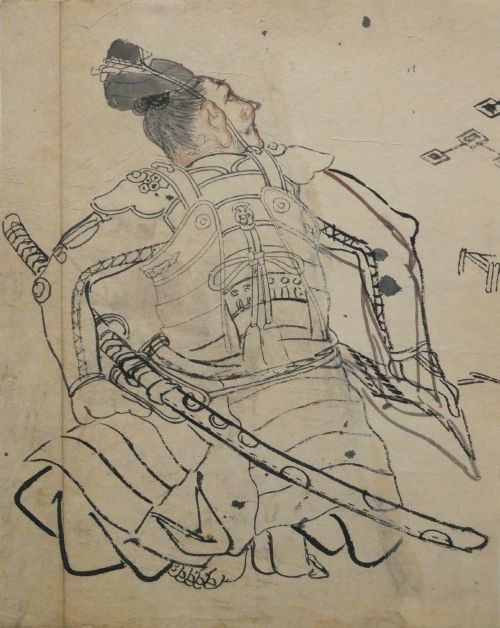
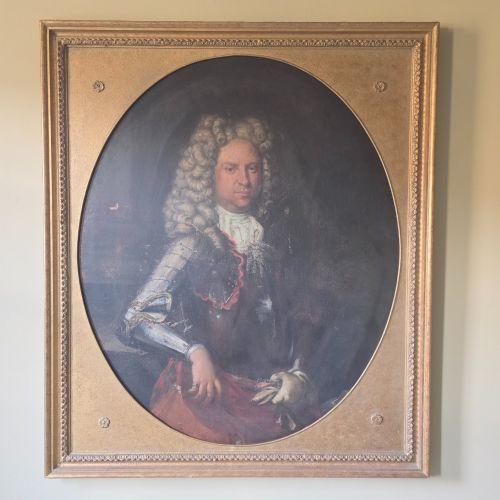
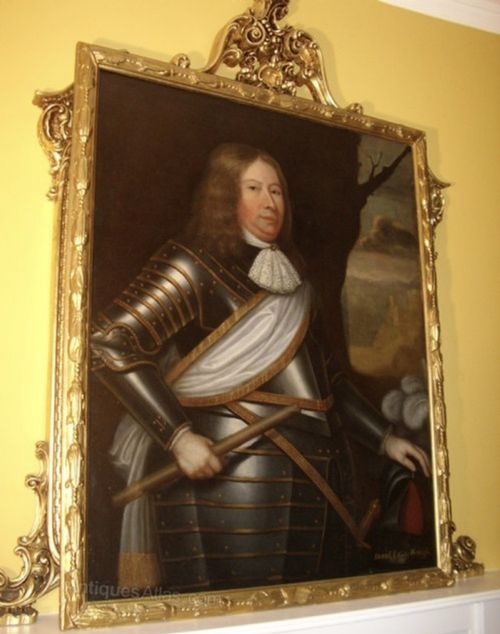
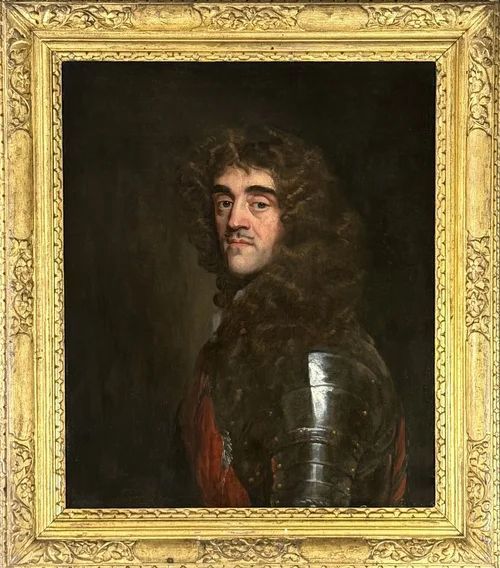
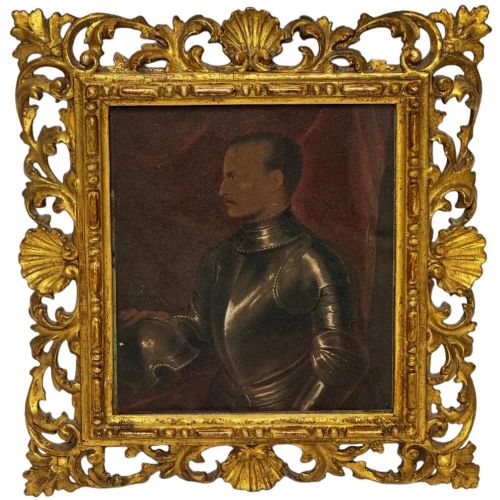
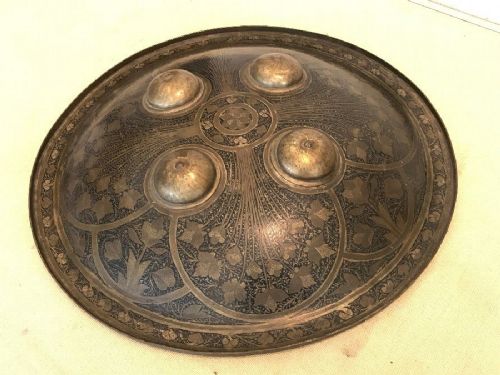
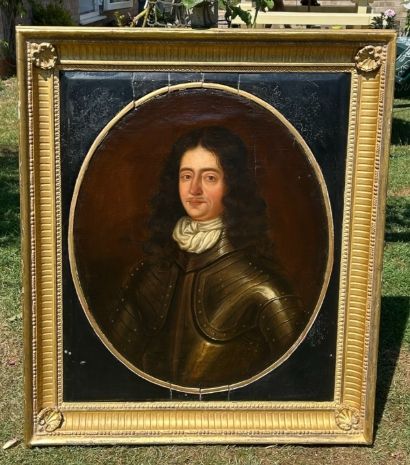
The term antique armours covers a broad range of survivals, most notably seventeenth-century oil portraits of noblemen and officers wearing steel plating, collars and red sashes. Alongside canvas depictions, this category embraces physical weaponry such as Indo-Persian matchlock muskets, daggers, Japanese samurai swords and helmets.
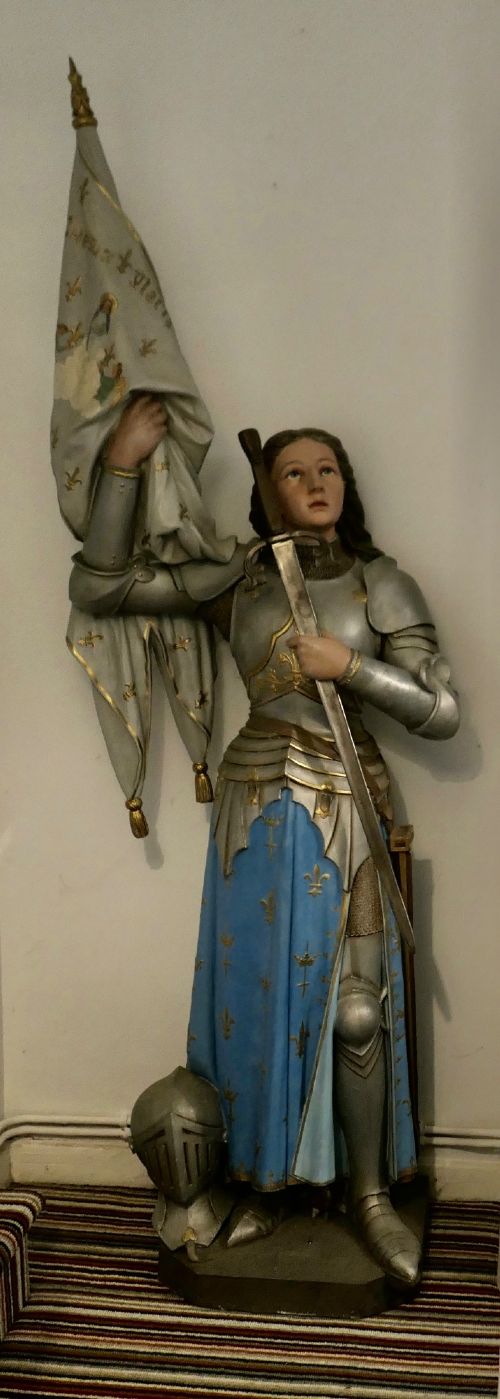
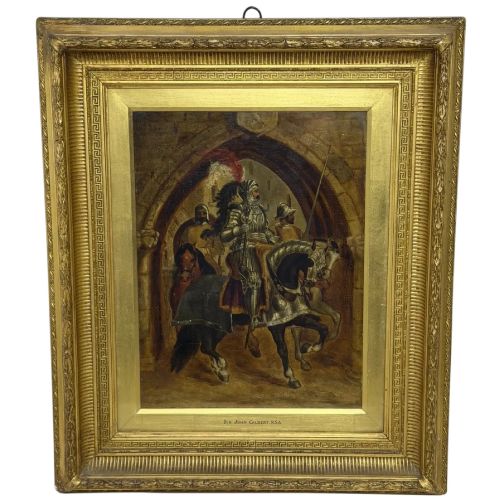
Buyers are also likely to meet nineteenth-century Gothic Revival and Victorian interpretations, including cast-iron doorstops shaped like knights, bronze sculptures of Joan of Arc, and decorative suits of armour produced in past centuries.
The selection bridges martial equipment and elite portraiture, reflecting both actual combat gear from various global traditions and the enduring European fascination with historical chivalry.
Materials and construction
Physical pieces rely on forged iron and steel, often augmented with brass mounts, silver wire, wood and leather. Helmets like the Indo-Persian Kullah Khud feature engraved script bands and integrated mail aventails, while Edos-period Japanese items incorporate specialised iron tsuba guards.
Paintings utilise oil on canvas, capturing the sheen of polished steel and the texture of lace collars through layered pigments. Sculptural items such as bronze figures and cast-iron doorstops demonstrate nineteenth-century foundry casting techniques.
Weapons including South Indian matchlocks combine silver mounting with shaped wooden stocks and forged barrels, showing intricate hand-craftsmanship across different global traditions.
Antique Armours Retail Price Guide 2026
Typical asking prices for armours among the pieces listed under this phrase on Sellingantiques today, from the lower quarter to the upper quarter. They describe what is for sale here now, not the wider market.
Listings span periods from the sixteenth to the twentieth century, encompassing oil on canvas, steel, iron, giltwood, and bronze.
Judging quality and execution
Quality in painted works rests upon the handling of light on metal and fabric, alongside the provenance indicated by attribution to established schools or circles of known artists. Superior canvases display anatomical precision in the sitter and detailed rendering of the steel plates.
For physical armaments and protective gear, excellence shows in the depth of hand-engraving, the integrity of forged steel, and the completeness of accompanying elements like mail aventails or scabbards.
Nineteenth-century revival pieces are judged by the weight and crispness of their casting rather than mere decorative surface finish, separating robust foundry work from lighter tourist wares.
Joseph Vivienne·David Scougall·Sir Godfrey Kneller·Hyacinthe Rigaud·John Greenhill·Sir Anthony van Dyck·John Smith·Nicolas De Largillière
The Antique Armours Glossary
- Aventail
- A flexible curtain of chain mail attached to a helmet to protect the neck and throat. It is typically found on Indo-Persian and European styles.
- Kullah Khud
- A traditional conical steel helmet originating from the Indo-Persian or Mughal-Rajput tradition. These pieces often feature engraved script bands and nasal bars.
- Matchlock
- An early type of gun firing mechanism where a slow-burning match is lowered into the priming pan by pulling a lever. This system is seen on eighteenth-century South Indian muskets.
- Tsuba
- The guard at the end of the grip of a Japanese sword or polearm. They are frequently forged from iron and ornamented with carved motifs.
- Mezzotint
- A printmaking process of the intaglio family where tones are worked from dark to light. It was widely used for reproducing portraits of nobility in earlier centuries.
Antique Armours: Frequently Asked Questions
How do I date a portrait in armour?
Dating relies heavily on the cut of the sitter's clothing, the style of the wig or hair, and the specific shape of the steel pauldrons and cuirass shown. Portraits from the seventeenth century often reveal distinct lace cravats and heavy mantles.
Comparison with documented works by contemporary portrait painters or recorded sitters further refines the period of execution.
Were nineteenth-century suits of armour worn?
Many nineteenth-century suits of armour and half-suits were created purely for interior display during the Gothic Revival period. Makers constructed them to satisfy Victorian romanticism and a fascination with medieval pageantry rather than for martial use.
Despite this decorative purpose, they often utilised traditional heavy iron and steel components assembled in historical configurations.
What is an Indo-Persian Kullah Khud?
A Kullah Khud is a traditional conical fighting helmet originating from the Mughal and Persian traditions. These pieces were designed to deflect blows while offering neck protection via integrated mail aventails.
They frequently display intricate surface decoration, including engraved script bands containing religious or poetic verses.
How should I care for oil paintings of knights?
Oil paintings on canvas require stable environmental conditions away from direct sunlight and excessive humidity fluctuations. Avoid hanging them near heat sources that might dry out the canvas or crack the paint.
Dusting should be performed gently with a soft, dry brush by a professional conservator if the surface shows signs of flaking.
What distinguishes Japanese samurai items here?
Japanese items in this category include functional swords, wakizashi mountings, and iron tsuba guards from the Edo period. They demonstrate specialised metallurgy distinct from European steelwork.
These pieces focus on folded steel blades and detailed iron or mixed-metal fittings bearing traditional motifs.