



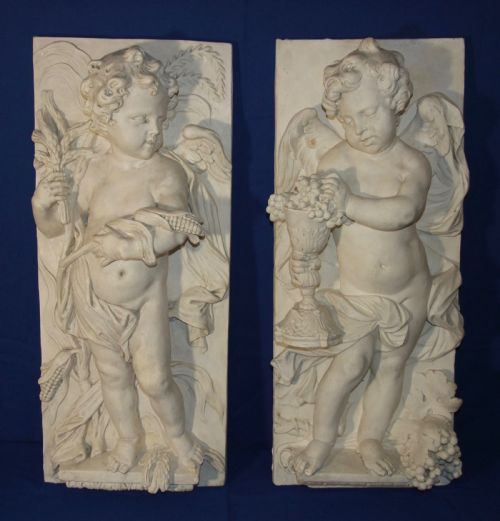
Antique Architectural Plaster
Antique architectural plaster brings classical relief and sculptural form into a room, offering the tactile presence of carved stone without the immense weight.
Antique Architectural Plaster
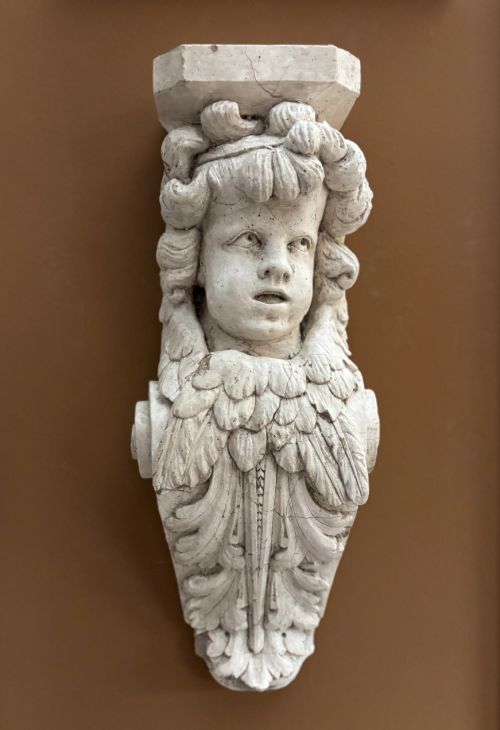
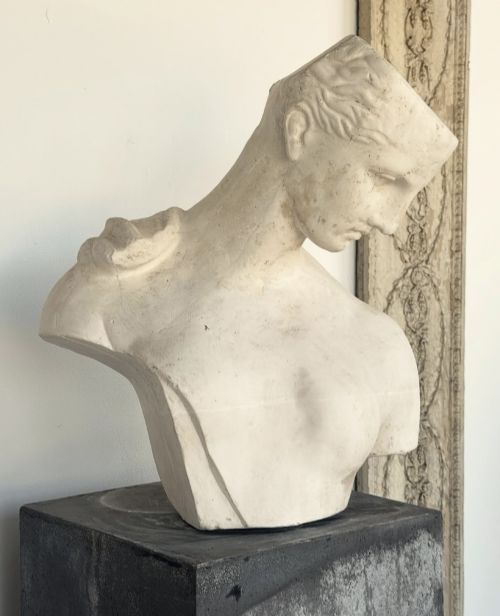
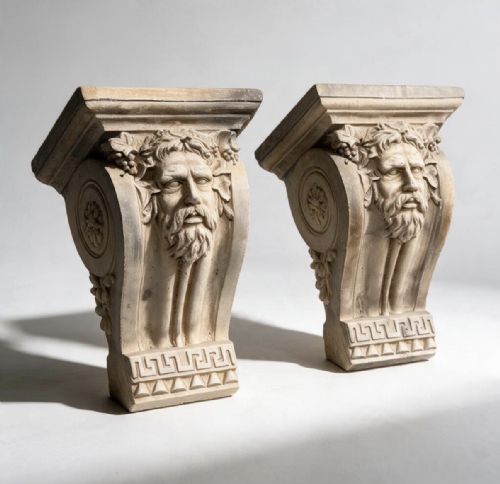
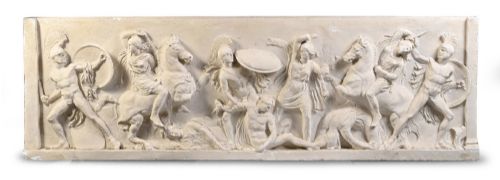
When you search for antique architectural plaster, you are looking at moulded or cast decorative elements salvaged from historic interiors and buildings. These pieces range from wall plaques and corbels to friezes, tabernacle frames, and large relief sculptures.
The versions you are most likely to meet on this page hail primarily from the eighteenth and nineteenth centuries, spanning French, Victorian, and Neoclassical styles. They often capture classical motifs, including putti, winged cherubs, caryatids, and mythological scenes.
Makers and workshops utilised these works to ornament grand salons, libraries, and facades, turning simple plaster and composition materials into high architectural drama. Today, they serve as striking wall ornaments or freestanding sculptural statements in residential spaces.
How they were made
Craftsmen built these pieces using plaster, gesso, gypsum, and composition materials, sometimes reinforcing them with wood or blending them with marble dust to achieve a harder finish. Moulds were taken from carved stone or original sculptures, allowing workshops to cast intricate details like acanthus leaves and human figures.
Surface finishes played a crucial role in the final appearance, with many pieces retaining traces of historic paint, subtle gilding, or the chalky matte texture of aged gypsum. Carved wooden elements occasionally accompanied the plaster work, providing structural support or decorative framing for the relief panels.
Antique Architectural Plaster Retail Price Guide 2026
Typical asking prices for architectural plaster among the pieces listed under this phrase on Sellingantiques today, from the lower quarter to the upper quarter. They describe what is for sale here now, not the wider market.
Materials recorded across the inventory include traditional gypsum plaster, gesso, composition stone, and marble dust.
What varies in quality
Scale and ambition also dictate the standing of a piece, separating standard decorative mouldings from monumental pairs of corbels or complex mythological friezes. Furthermore, the integrity of the surviving surface - whether it preserves untouched historic paint or reveals the crisp grain of the original mould - shapes the visual impact of the work.
The Antique Architectural Plaster Glossary
- Corbel
- A projecting bracket of stone, wood, or plaster that supports a weight above it. In architectural plaster, these often take the form of scrolling brackets or sculptural figures.
- Caryatid
- A sculpted female figure serving as an architectural support taking the place of a column or a pillar. Pairs of these figures frequently appear in nineteenth-century architectural schemes.
- Putto
- A figure of a small infant, commonly depicted as a chubby male child in classical art. They appear frequently as winged cherubs in wall friezes and brackets.
- Composition
- A moulded mixture of whiting, linseed oil, resin, and glue used to create crisp ornamental details. It is harder and more flexible than standard plaster.
- Frieze
- A wide central section part of an entablature that might be frescoed or sculpted. Plaster examples often depict historical or mythological narratives in low relief.
Antique Architectural Plaster: Frequently Asked Questions
Can antique plaster go outdoors?
Traditional interior architectural plaster is vulnerable to moisture, frost, and temperature extremes, meaning it will rapidly degrade if exposed to damp outdoor conditions. These works are strictly intended for interior display where the atmosphere remains stable.
Even pieces incorporating marble dust or composition stone are generally engineered for sheltered historic interiors rather than open garden settings. Protecting them from humidity preserves the delicate surface details and historic finishes.
How do I clean antique plaster?
Cleaning should be kept to a minimum, relying on a very soft dry brush or a gentle dusting attachment to remove surface dirt. Moisture can dissolve historic water-based paints or soften the plaster substrate, so water and liquid cleaners must be avoided.
If grime is heavy, consult a professional conservator rather than attempting chemical cleaning. Preserving the dry, chalky patina is essential for maintaining the historical character of the object.
What is the difference between plaster and composition?
Standard plaster is made from calcined gypsum mixed with water, setting into a rigid, somewhat porous material that is easy to cast but relatively brittle. Composition, often called compo, is a pliable mixture containing oil, resin, and glue pressed into moulds while heated.
Compo allows for sharper undercuts and finer decorative details than pure plaster, and it hardens further with age. You will often find compo used for intricate ornamental mouldings and picture frames alongside traditional plaster.