


Antique Architectural Plaque
An antique architectural plaque brings tangible historical presence into a room, offering carved timber, cast metal or painted surface from centuries past.
Antique Architectural Plaque
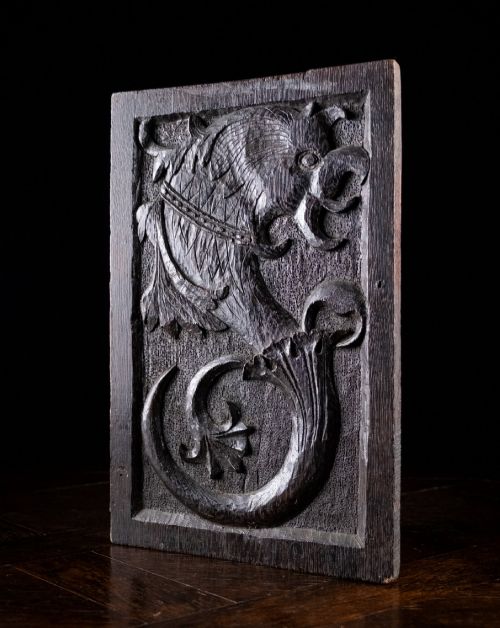
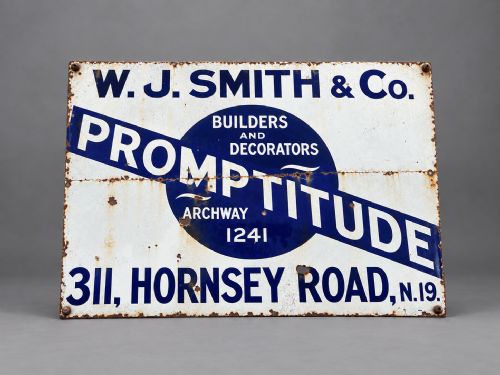
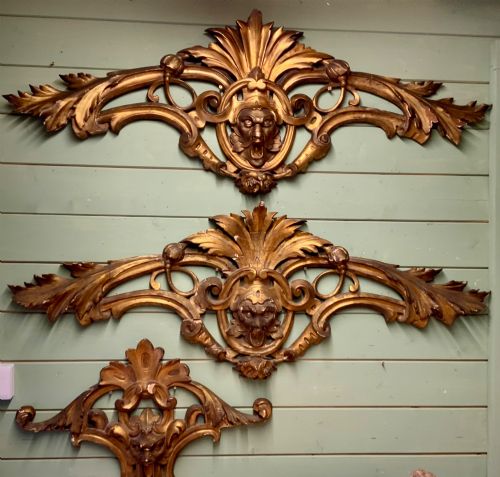
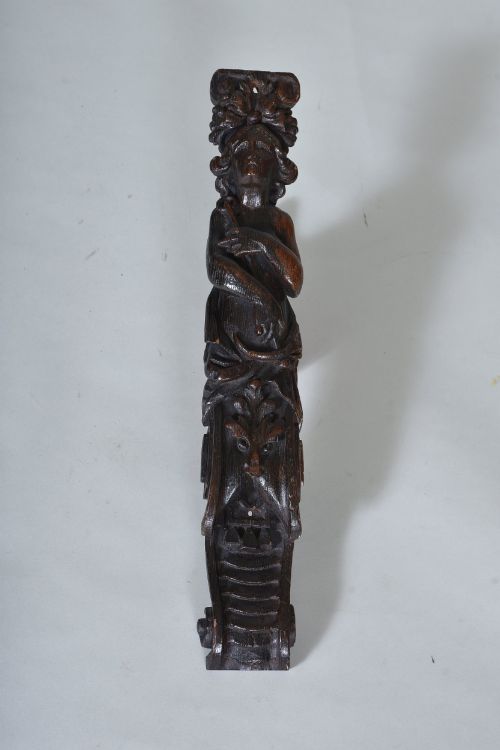
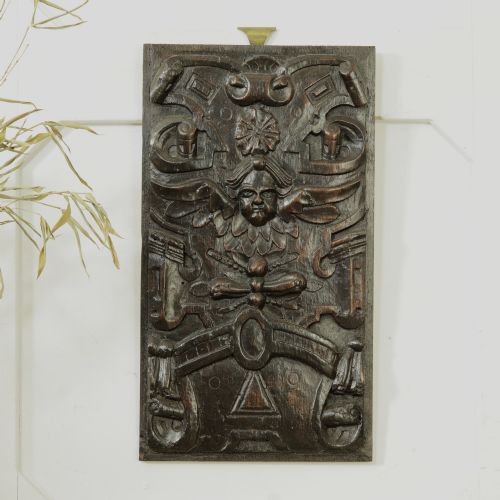
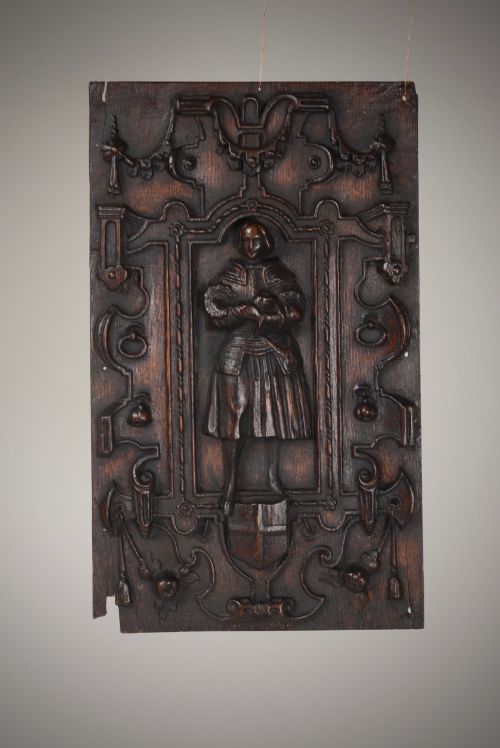
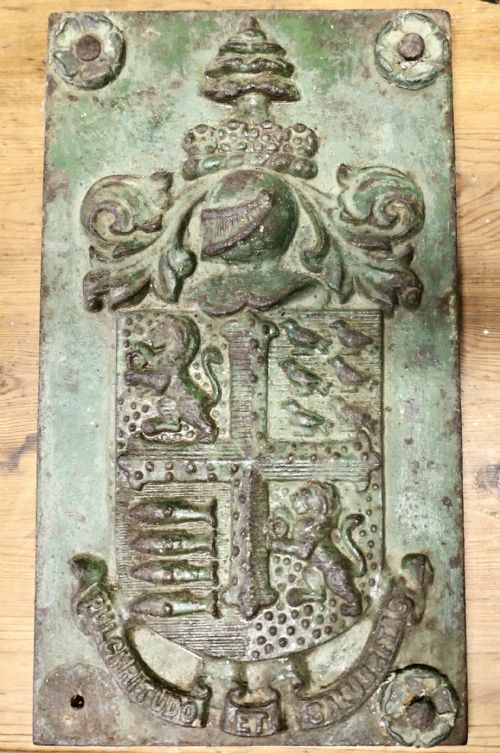
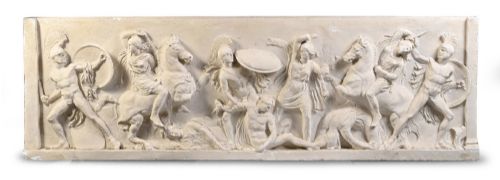
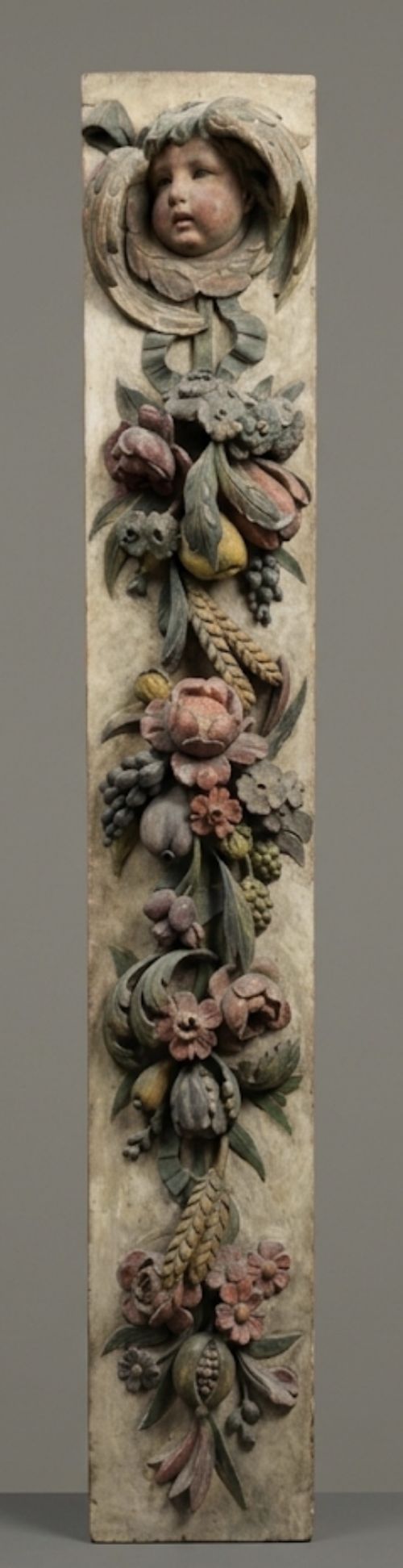
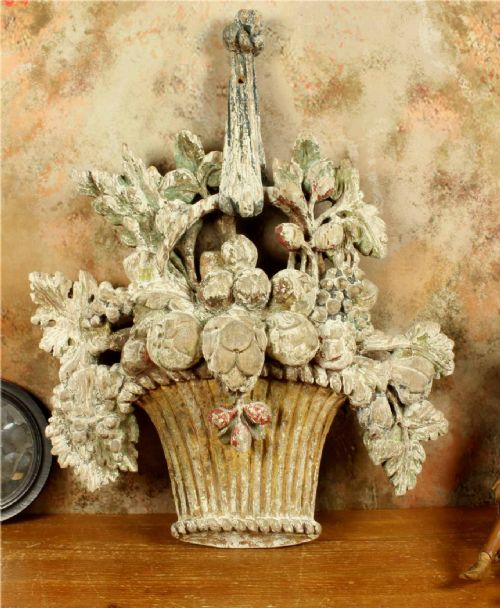
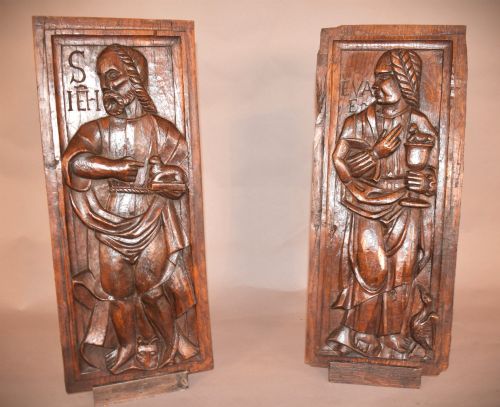
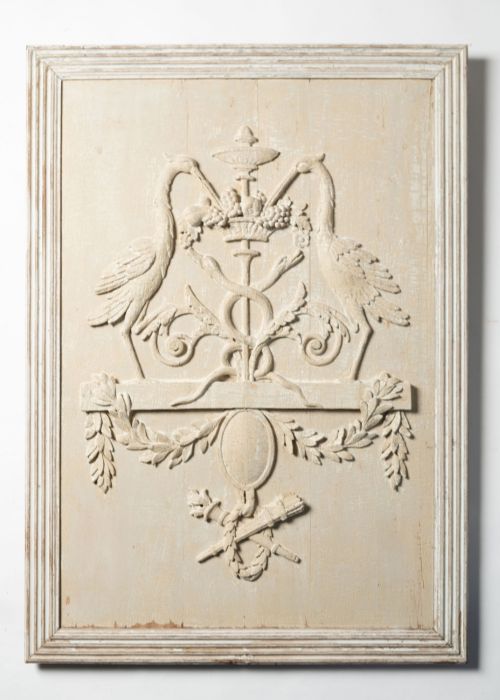
An antique architectural plaque encompasses wall carvings, panels, reliefs, and exterior signs salvaged from buildings across different eras. These pieces range from seventeenth-century oak panels and eighteenth-century French wall carvings to Victorian cast iron coats of arms and twentieth-century enamel signs.
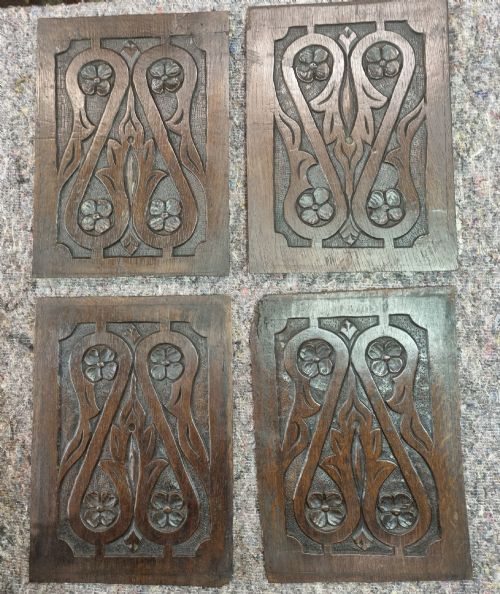
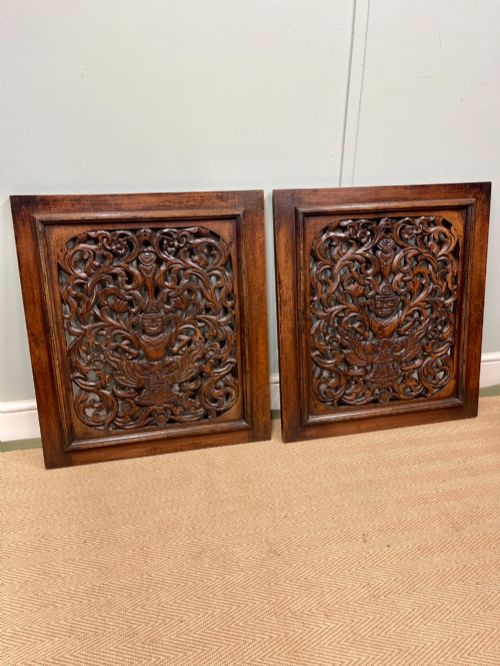
Buyers meet carved timber panels with floral motifs, mythical figures, or heraldic designs most frequently on this page. Alongside these wooden reliefs, cast iron plaques and painted street or advertising signs appear across the nineteenth and early twentieth centuries.
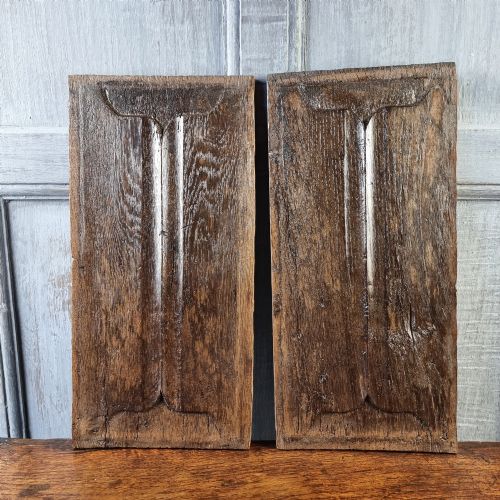
The selection draws from varied geographical origins, including English, French, Chinese, and Dutch workshops. Forms vary from simple linenfold panels to monumental architectural dioramas and relief sculptures.
Materials and construction
Oak and timber dominate the earlier centuries, shaped through hand carving into deep relief panels, architectural friezes, and figurative sculptures. Artisans utilised chisel and gouge directly on dense hardwoods, sometimes applying polychrome paint, gold leaf, or lacquer to enhance the surface detail.
Cast iron emerges in the nineteenth century for heavier plaques, armorials, and structural panels, offering crisp industrial moulding capabilities. Other works incorporate specialised mediums such as leathermaché, marble dust, enamel, vitriolite glass, and pietra dura framing.
Surface treatments preserve the age of the material, from natural wax finishes on antique oak to weathered enamel and original paint on vintage metal signage.
Antique Architectural Plaque Retail Price Guide 2026
Typical asking prices for architectural plaque among the pieces listed under this phrase on Sellingantiques today, from the lower quarter to the upper quarter. They describe what is for sale here now, not the wider market.
Listings feature carved oak panels spanning from the 17th century through the Victorian era, alongside 19th-century cast iron armorials and early 20th-century enamel signs.
Markers of execution
Material integrity and the survival of original surface finishes dictate the desirability of metal and painted pieces. Cast iron plaques with sharp casting lines and retained original armorial polychromy hold greater visual impact than worn or overly restored examples.
W. Grey & Co
The Antique Architectural Plaque Glossary
- Linenfold
- A style of wood panel moulding carved to resemble folded vertical strips of cloth. This design appears frequently on sixteenth and seventeenth-century interior woodwork.
- Green Man
- A sculptural motif consisting of a face carved in wood or stone surrounded by or made from leaves and vines. It represents rebirth and is common in medieval and revival architectural carving.
- Pietra dura
- An artistic technique using cut and fitted polished coloured stones to create geometric or figural pictures. Panels utilising this method often appear framed for wall display.
- Armorial plaque
- A decorative panel displaying a coat of arms or heraldic insignia. These were cast in iron or carved in wood to mark civic buildings or noble residences.
- Leathermaché
- A moulded composite material made from pulp or bonded leather used for lightweight architectural decorations. It allowed intricate relief work without the weight of carved timber.
Antique Architectural Plaque: Frequently Asked Questions
What is an antique architectural plaque?
An antique architectural plaque is a decorative or structural element removed from a building and adapted for wall display. These pieces include carved wooden panels, cast metal coats of arms, stone reliefs, and vintage exterior signs.
They represent centuries of design, capturing sculptural skills and industrial manufacturing methods from the seventeenth century onwards.
How were these plaques originally used?
Many wooden panels formed part of interior wall wainscoting, church screens, or furniture in domestic and public buildings. Cast iron plaques and armorials decorated exterior facades, civic structures, and gates.
Signs served practical or advertising purposes on streets, schools, and commercial premises before being salvaged for interior decoration.
How do I hang a heavy cast iron plaque?
Heavy cast iron or stone architectural pieces require secure wall fixings anchored directly into masonry or reinforced studwork. Professional installation using appropriate load-bearing brackets ensures the safety of the wall and the object.
Consulting a specialist installer is recommended for monumental pieces due to their substantial weight.
How can I tell the period of an oak panel?
Dating oak panels involves examining tool marks, joint construction, and timber shrinkage patterns. Hand-hewn surfaces and pegged tenon joints typically indicate earlier craftsmanship, while machine-cut elements point to later revival periods.
Stylistic cues such as linenfold carving or seventeenth-century motifs provide further context when compared against documented examples.