

Antique Architectural Iron
Antique architectural iron spans robust pedestrian gates, intricate scroll panels and heavy fire backs shaped by centuries of utility and design.
Antique Architectural Iron
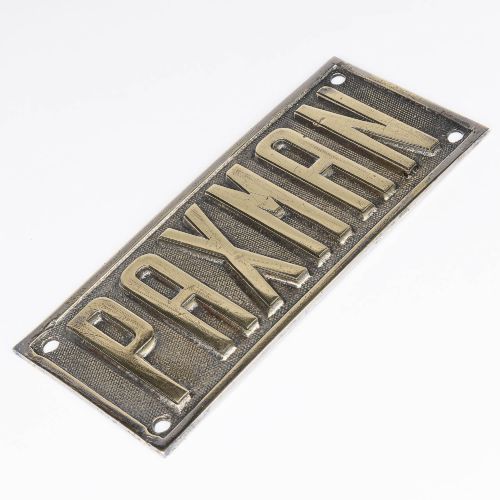
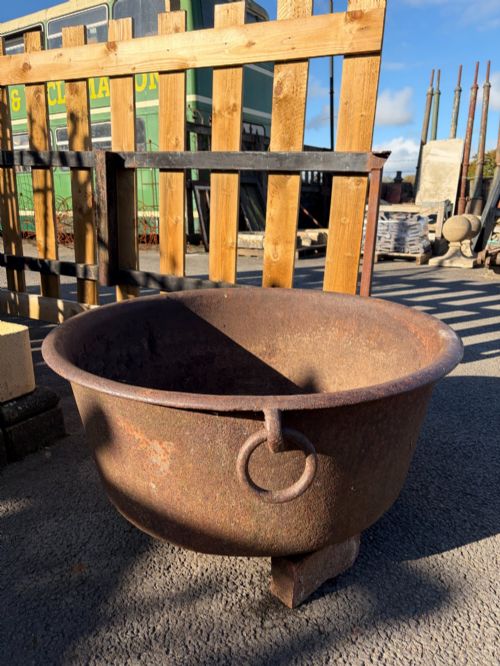
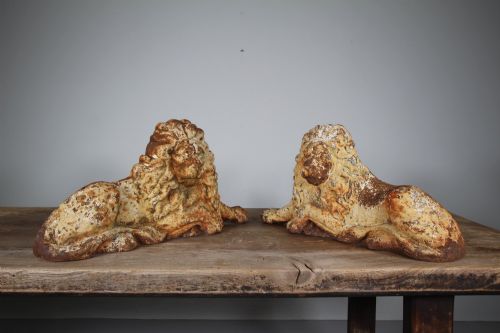
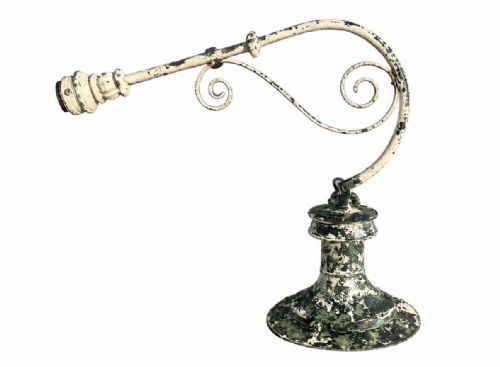
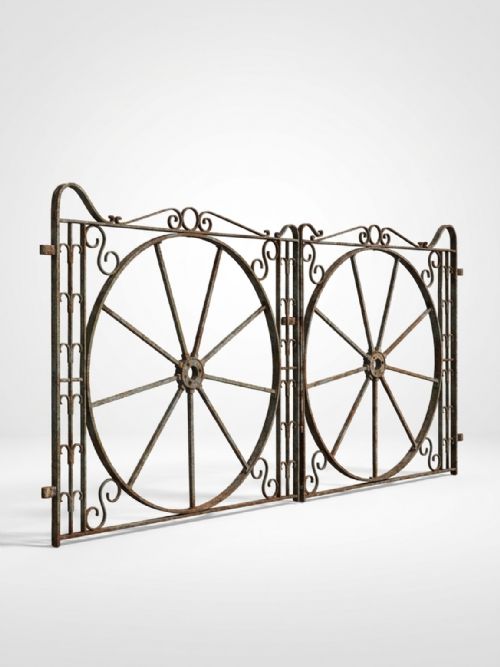
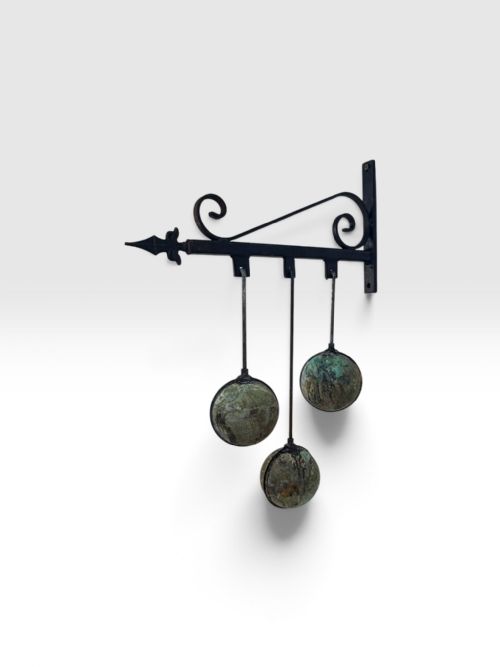
Buyers seeking antique architectural iron encounter heavy metal elements salvaged from historic buildings, gardens and estates. These pieces range from garden gates and scroll panels to decorative ceiling roses, door knockers and stair finials.
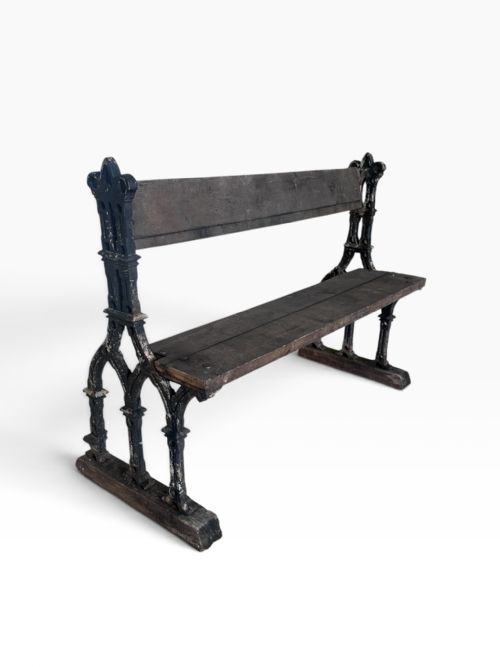
The objects stem from periods spanning the seventeenth century through to the Edwardian era and the nineteen-twenties, incorporating Victorian Gothic and Arts and Crafts styles. Cast iron and wrought iron dominate the forms, frequently showing layers of old paint or weathered patination.
How they were made
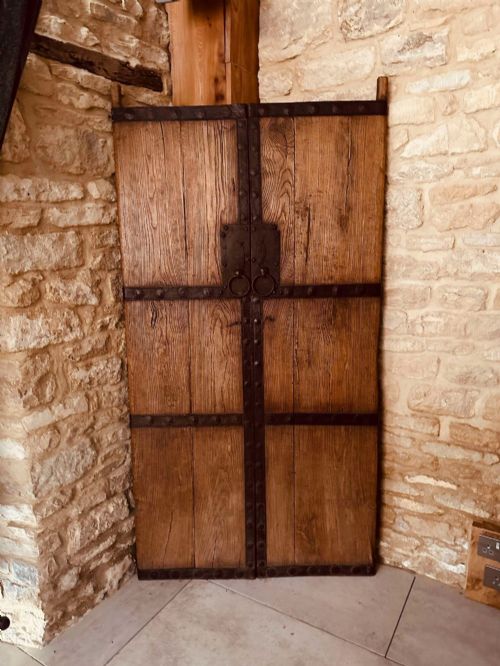
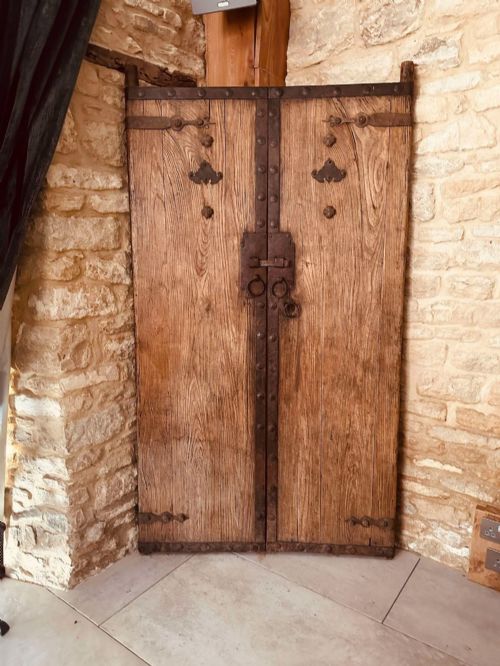
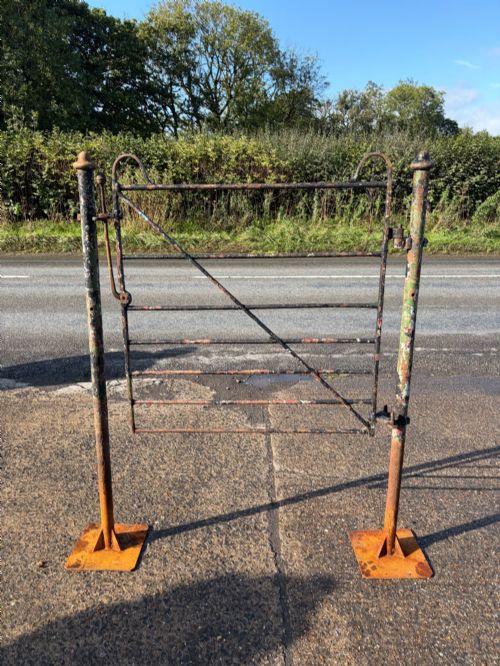
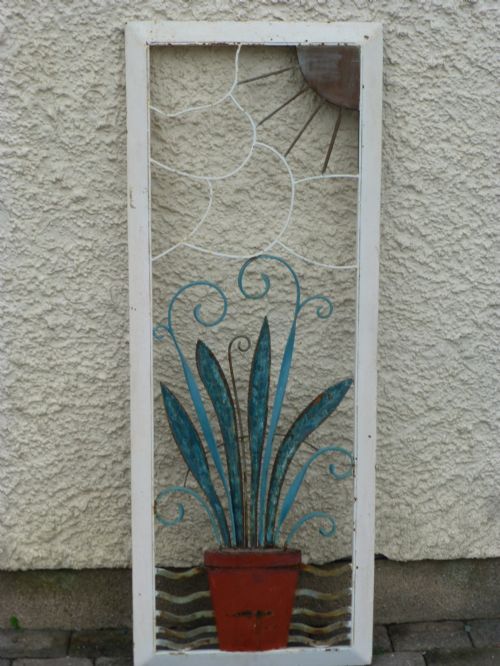
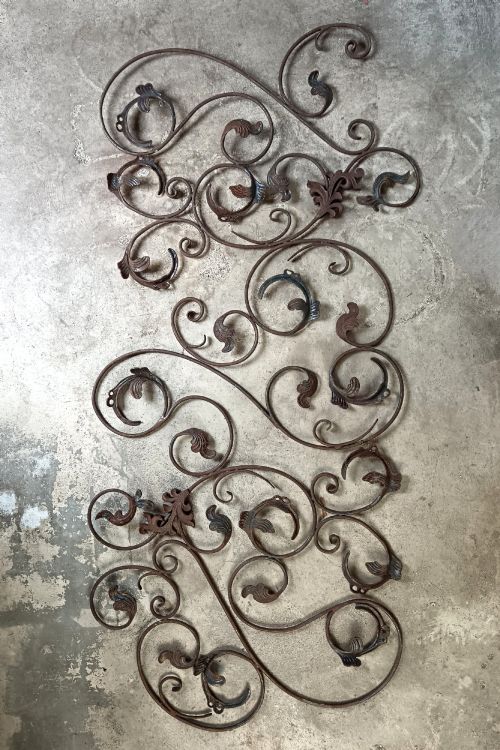
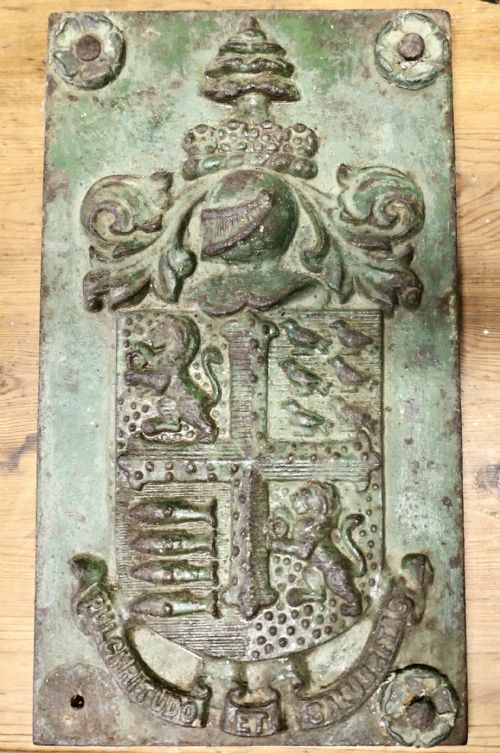
Makers utilised casting and hand-forging techniques to shape iron into structural and decorative components. Cast iron allowed for intricate mouldings such as ivy leaf ceiling roses and heraldic plaques, whilst wrought iron was beaten and riveted to create resilient gates and scroll panels.
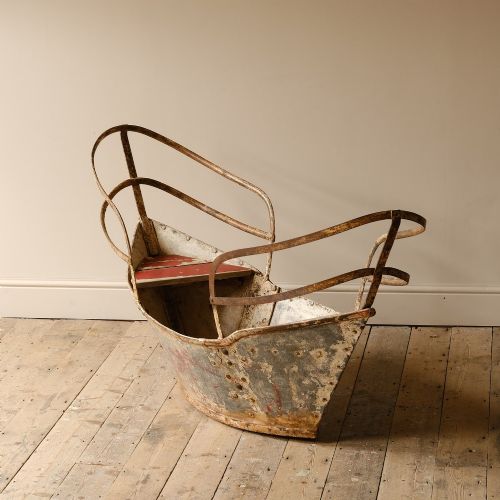
Many items combine iron with supporting materials like oak, pine or hewn stone blocks, reflecting their original architectural context. Surface finishes often include historical paint layers that survive from exterior use.
Antique Architectural Iron Retail Price Guide 2026
Typical asking prices for architectural iron among the pieces listed under this phrase on Sellingantiques today, from the lower quarter to the upper quarter. They describe what is for sale here now, not the wider market.
Listings for antique architectural iron span the seventeenth century through to the nineteen-twenties, incorporating Georgian, Victorian, and Arts and Crafts styles in both cast and wrought iron.
What varies in quality
Quality rests upon the crispness of the casting and the skill of the hand-forging. Well-modelled relief work on plaques and balustrade panels displays sharp detail without distortion, whereas lower grades can appear blunt or heavily pitted from poor casting technique.
The integrity of the material matters greatly, particularly how well structural ironwork resists deep corrosion and structural fatigue. Pieces retaining original paint surfaces and complete fixings command greater interest than those stripped down or heavily rebuilt.
The Antique Architectural Iron Glossary
- Cast iron
- Iron poured into a mould to form rigid shapes. This technique permitted the mass production of decorative ceiling roses and garden urns with high detail.
- Wrought iron
- Iron heated and hammered by hand into bespoke shapes. It offers superior tensile strength compared to cast iron, making it ideal for gates and scroll panels.
- Rim lock
- A mechanical door lock housed in a metal box mounted on the surface of a door rather than mortised inside it. Seventeenth-century examples often display decorative brass or iron casing.
- Balustrade panel
- A flat openwork section designed to fill the space between a handrail and floor. Original architectural examples frequently feature cast iron scrollwork.
- Boot scraper
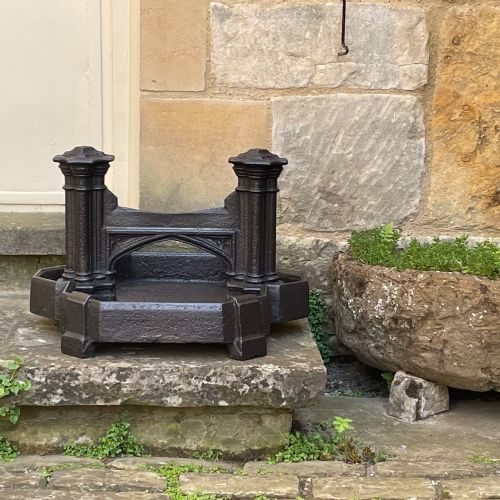
- A stationary metal blade fixed near an entrance to remove mud from footwear. They are commonly inset into stone blocks during the Victorian period.
Antique Architectural Iron: Frequently Asked Questions
What is antique architectural iron?
Antique architectural iron comprises salvaged metalwork and decorative fittings removed from historic buildings, gardens and streetscapes. These objects combine utilitarian strength with period design, ranging from large estate gates to small door knockers.
Items date across multiple centuries, reflecting shifts in architectural taste from Georgian formality to Victorian Gothic exuberance and early twentieth-century industrial forms.
How was architectural iron used?
Builders and homeowners utilised these iron components for structural support, security and ornamentation in domestic and public spaces. Gates secured boundaries, whilst ceiling roses and finials decorated interior and exterior surfaces.
Many pieces served functional roles outdoors, enduring weather conditions that contributed to their patinated surfaces and layered old paint finishes.
How do I live with architectural iron?
Displaying architectural iron indoors or in garden settings requires understanding its weight and mounting requirements. Large items such as gates and scroll panels work well mounted on walls or integrated into modern landscape designs.
Maintaining the metal involves preserving existing patination and stable paint layers rather than stripping the surface down to bare metal.
How do I tell periods apart?
Period identification relies on observing manufacturing techniques, decorative motifs and stylistic markers. Georgian and early nineteenth-century pieces often display hand-forged wrought ironwork with simpler profiles, whilst Victorian items frequently utilise cast iron for ornate Gothic Revival ornamentation.
Later nineteenth-century and early twentieth-century examples introduce industrial styling and alternative fastenings alongside traditional methods.