
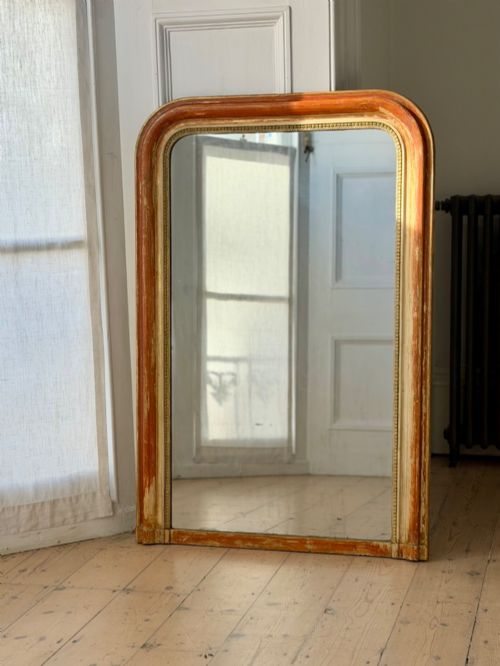
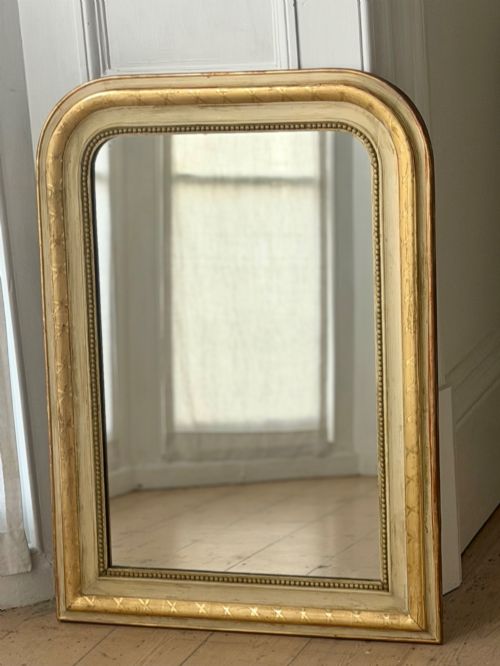
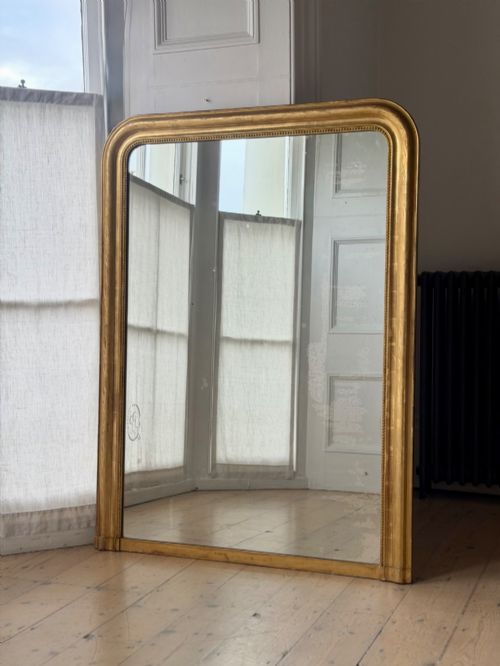
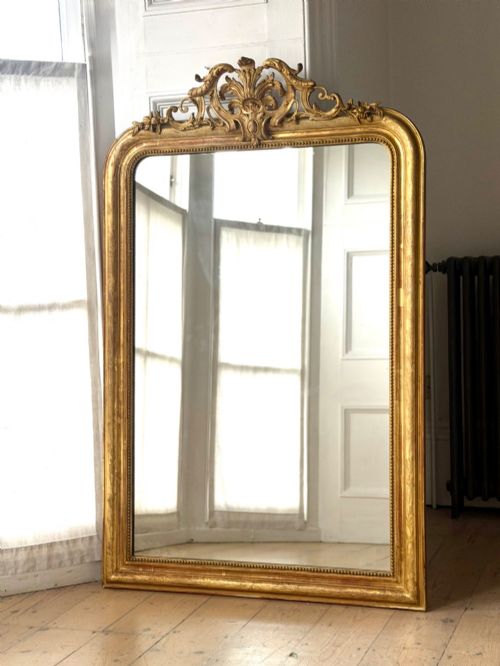
Antique Arch Wall Mirror
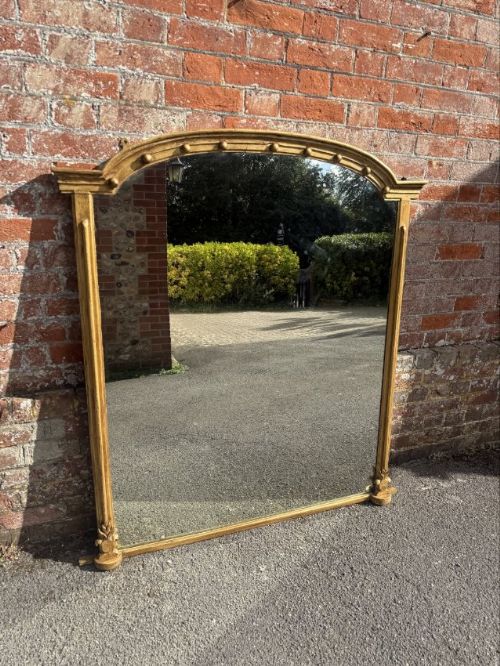
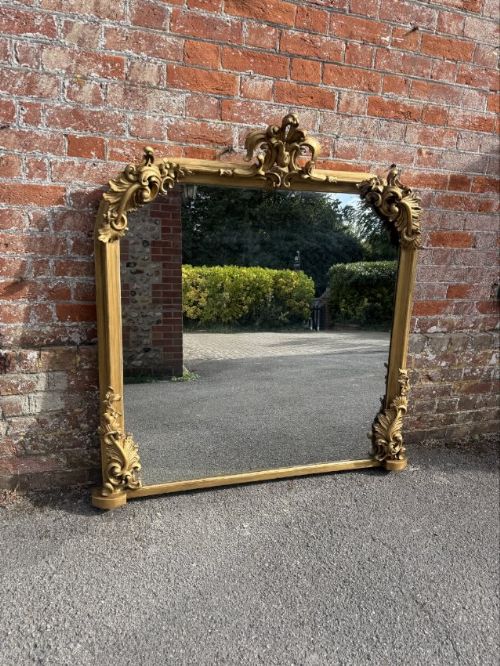
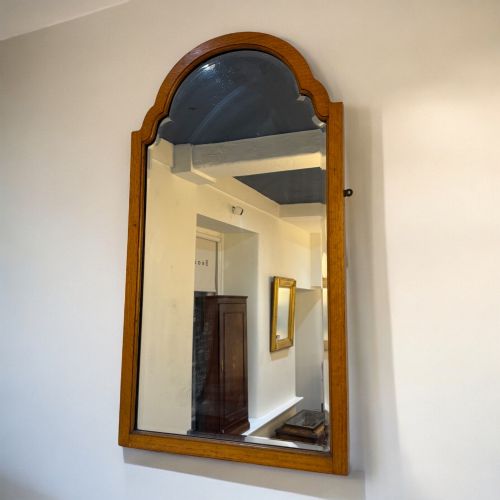
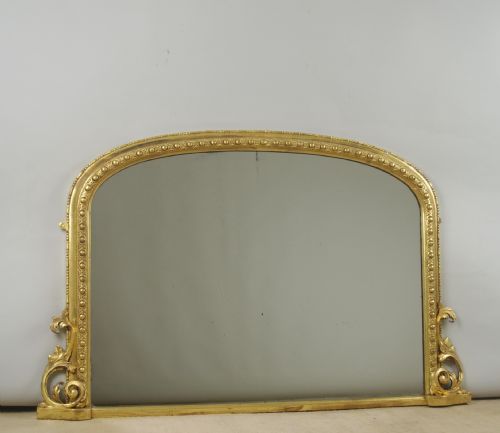
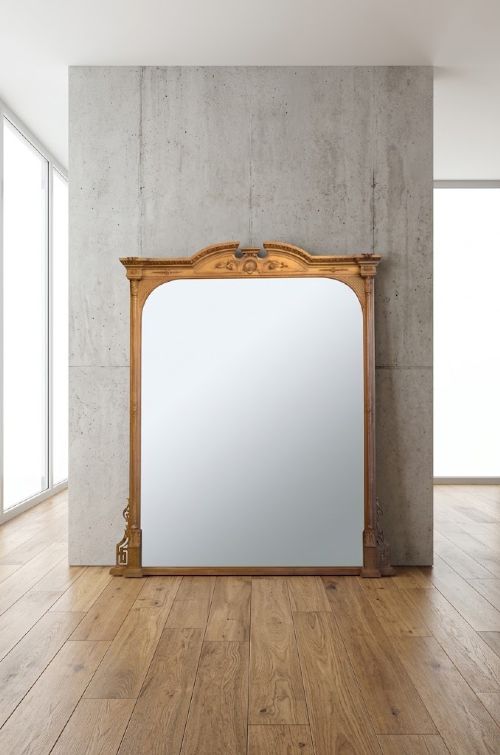
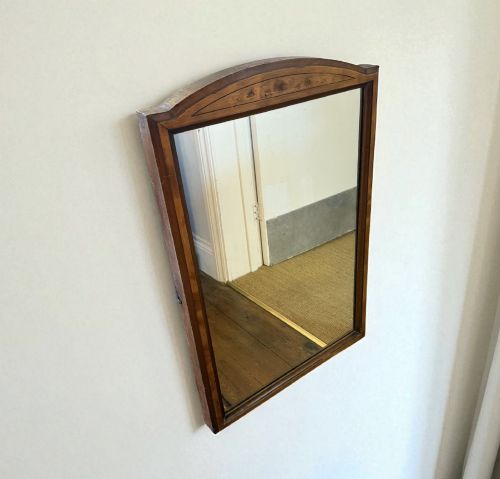
An antique arch wall mirror brings architectural grace and reflected light into a room, framed in giltwood, carved wood or painted oak.
Antique Arch Wall Mirror
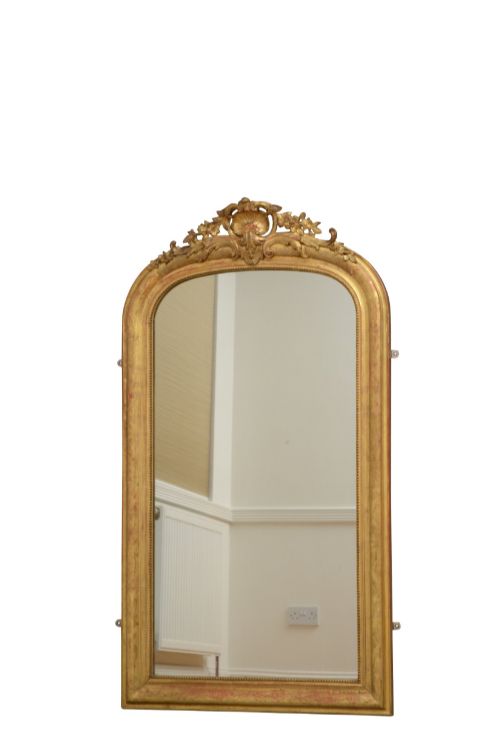
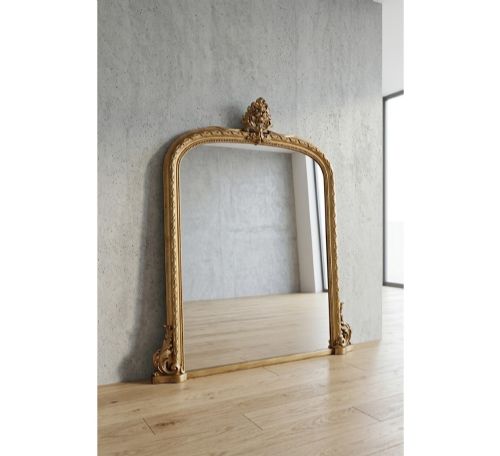
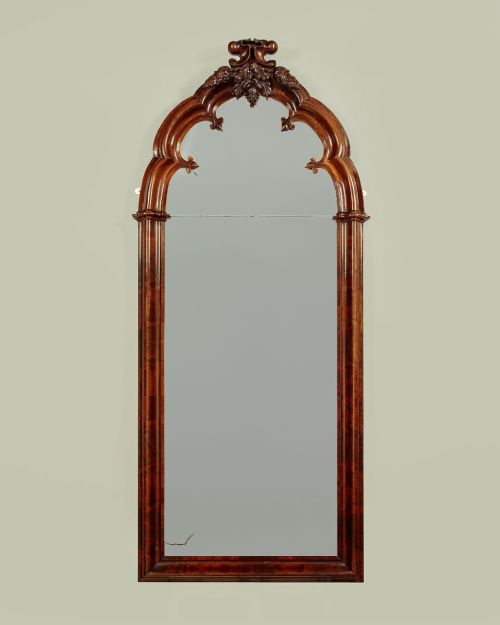
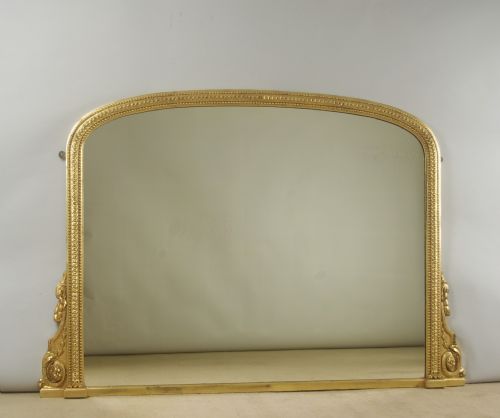
An antique arch wall mirror serves as both a functional glass panel and a substantial decorative focal point, often hung above a fireplace or along a principal wall. When searching for an antique arch wall mirror, buyers encounter grand overmantel designs alongside taller pier mirrors and simpler provincial wall pieces.
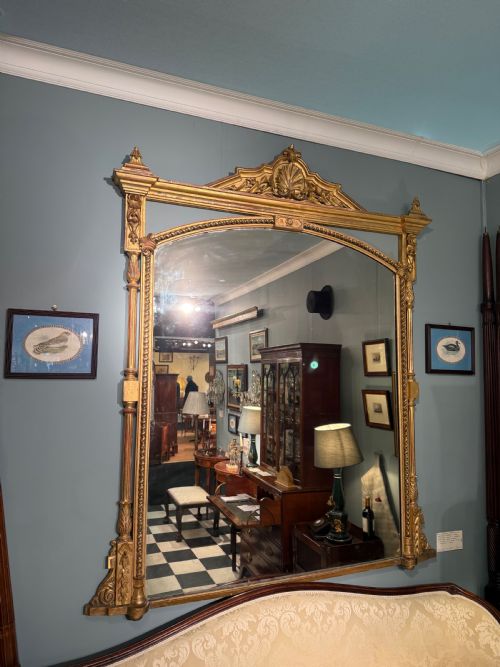
The selections span the nineteenth century, including Victorian, Georgian, and French Louis Philippe styles, reflecting diverse European design traditions. Overmantel mirrors dominate the forms, frequently proportioned to sit comfortably upon a mantelpiece and command the surrounding space.
Materials and construction methods
Frames rely heavily on carved wood and moulded gesso built over a timber substrate, which allowed craftsmen to apply intricate ornamentation before gilding. Gold leaf or gilt wood finishes provide a reflective brilliance, complemented by alternative treatments like painted wood, bleached oak, and walnut.
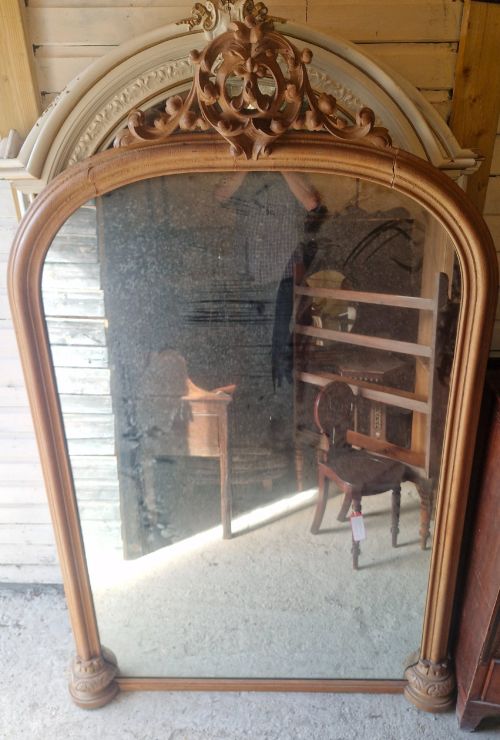
Glass plates are set within these frames, sometimes featuring bevelled edges or historic characteristics such as foxed mercury glass. Traditional joinery secures the heavy arched tops and crests, ensuring structural stability for large overmantel and pier formats.
The documented styles span Victorian, French Chateau, Regency, Rococo Revival, and Louis Philippe aesthetic traditions.
Distinctions in craftsmanship and finish
The refinement of the carved wood and gesso ornamentation dictates visual depth, separating deeply articulated moulding from simpler profiles. Crisp detailing along rope twists, ribbed frames, and tulip motifs indicates superior hand-carving by skilled makers.
The integrity of the original gilding and the preservation of the mirror glass influence the character of each piece. Surface patination achieved through age adds depth to the overall presentation, distinguishing well-preserved examples from later alterations.
The Antique Arch Wall Mirror Glossary
- Gesso
- A plaster-like mixture applied to wood frames to create a smooth surface for carving or gilding. This material allows artisans to mould crisp decorative details.
- Giltwood
- Timber coated with gold leaf or metallic powder to simulate solid gold. It provides the bright reflective warmth seen on many nineteenth-century frames.
- Overmantel
- A large mirror specifically designed to be hung on the wall directly above a fireplace mantel. These pieces frequently feature arched or shaped tops.
- Pier mirror
- A tall, vertical glass designed to be hung on the narrow stretch of wall between windows. They often incorporate painted or gilded wooden frames.
- Foxed
- The natural ageing of mirror glass where oxidation creates mottled dark spots behind the silvering. This chemical change produces a soft, atmospheric reflection.
Antique Arch Wall Mirror: Frequently Asked Questions
Where should an antique arch wall mirror be hung?
These mirrors traditionally sit above a fireplace mantelpiece as an overmantel, where their arched shape draws the eye upward and reflects light across the room. They also function well on plain walls in hallways or reception rooms to create an illusion of increased space.
Ensuring secure wall fixings is essential due to the substantial weight of carved wood, gesso, and thick glass panels. Professional installation into solid masonry or adequate wall studs protects both the frame and the wall structure.
How do I identify a Victorian arch wall mirror?
Victorian examples frequently display robust carved wooden frames coated in gesso and gilt, often featuring decorative elements like rope twists or ribbed moulding. Their generous proportions make them well suited for overmantel placement in nineteenth-century interiors.
Examining the construction of the wooden backboards and the composition of the glass helps confirm the period. Earlier nineteenth-century pieces tend to show heavier moulding and traditional joinery techniques distinct from later reproductions.
What is the difference between French and English styles?
French mirrors from the nineteenth century, including Louis Philippe and French Provincial styles, often feature cleaner architectural lines, subtle crests, and bleached oak or softer painted finishes. English pieces lean toward more ornate carved gesso, giltwood, and heavy architectural overmantel designs.
Both traditions utilised high-quality glass and skilled carving, but the aesthetic preference differs between understated continental elegance and robust British ornamentation.
How do I clean an antique mirror frame?
Dusting the carved wood and gesso frame gently with a soft, dry brush prevents the accumulation of dirt without disturbing fragile gilt surfaces. Water and modern chemical cleaners must be avoided, as moisture strips historical gilding and damages gesso.
Glass panels can be wiped cautiously with a barely damp cloth, taking care that liquid does not seep behind the frame edges where it might harm the original silvering or backboards.