



Antique Apothecary Glazed Cabinet
An antique apothecary glazed cabinet brings the neat, clinical order of the chemist’s shop directly into a modern interior.
Antique Apothecary Glazed Cabinet
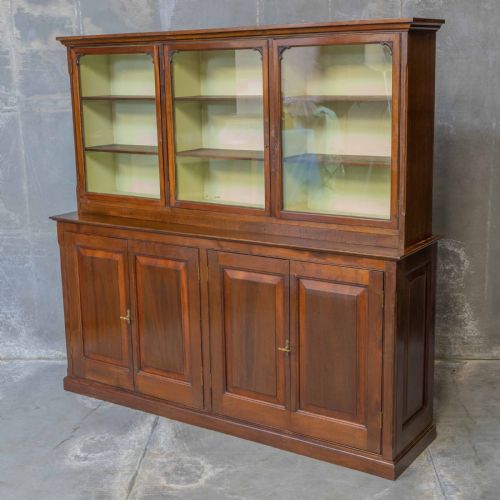
An antique apothecary glazed cabinet is a specialist piece of storage designed originally for medicines, specimens, or retail display, defined by glass-fronted panels that keep contents visible yet protected. Buyers searching for this phrase encounter various forms on this page, including wall cupboards, shop counters, and tall multi-drawer units.
The materials and styles span multiple eras, ranging from robust Victorian mahogany and Edwardian examples to 1920s and 1930s commercial fittings, alongside earlier Georgian designs. These cabinets frequently overlap with collector's cabinets and haberdashery storage, sharing the same functional layout of glazed doors and internal shelving.
Form follows function closely in these pieces, with many originating from pharmacies, chemist shops, and medical spaces before entering the domestic market. A typical piece might combine timber framing in oak or mahogany with substantial glass panels to display contents clearly from the exterior.
Materials and construction
Makers constructed these cabinets using hardwoods such as mahogany, oak, and burr walnut, alongside painted timbers and secondary metals, ensuring structural rigidity for heavy glass doors. Timber selection prioritised durability, particularly for shop counters and multi-drawer units intended for daily commercial handling.
Glazing forms the central technical element, utilising large glass panes set into timber frames or secured with brass hardware. Wall cabinets and hanging cupboards rely on secure hinges and locks, such as working keys, to support glazed doors without sagging over decades of use.
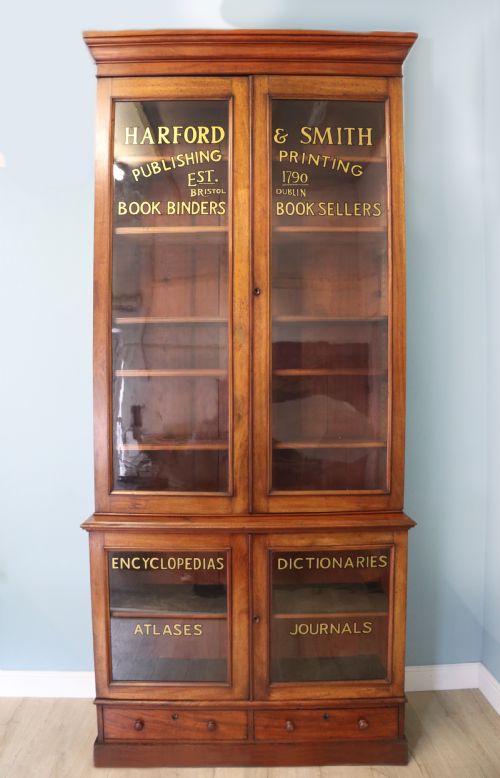
Object forms range from wall-mounted cupboards and shop counters to multi-drawer specimen cases and tall bookcases.
Judging quality in glazed cabinets
Quality rests upon the integrity of the timber framing and the clarity of the original glass, where tighter joinery and heavier hardwoods distinguish finer workshop output from utility medical storage. The weight and movement of drawers in multi-drawer examples reveal the precision of the original cabinet work.
Commercial provenance alters the character of a piece, as seen in items bearing specific retailer inscriptions or robust shop-counter configurations compared to simpler wall cupboards. Finer examples retain original painted finishes or polished hardwood surfaces without excessive modern intervention.
Kemps Pharmacy Chemist And Opticians
The Antique Apothecary Glazed Cabinet Glossary
- Glazed cabinet
- A storage unit featuring one or more glass doors or panels designed to display contents while shielding them from dust. These pieces are common in retail, medical, and domestic settings.
- Collector's cabinet
- A specialised storage piece fitted with multiple shallow drawers or display shelves intended for specimens, coins, or natural history items. They often feature locking mechanisms and glass fronts.
- Haberdashery cabinet
- A retail storage unit originally built with glass-fronted drawers or doors to display small dry goods in shops. They share the multi-drawer and glazed aesthetic common in apothecary fittings.
- Shop counter
- A heavy commercial furnishing designed for the front of a retail premises, frequently incorporating glazed display sections facing the customer. These double as functional workspace for the shopkeeper.
- Wall cupboard
- A compact storage unit designed to be mounted directly onto a wall rather than resting on the floor. In medical and domestic contexts, these often feature a single glazed door.
Antique Apothecary Glazed Cabinet: Frequently Asked Questions
What were apothecary glazed cabinets used for?
These cabinets were originally manufactured for chemists, apothecaries, and medical practitioners to store medicines, glass bottles, and dry ingredients securely. The glazed doors allowed staff to identify contents quickly while protecting sensitive materials from dust and moisture.
Over time, many of these commercial fittings transitioned into domestic spaces where their deep shelves and clear glass panels suit the display of books, ceramics, and collections.
How do I date an apothecary cabinet?
Dating relies on examining the timber species, construction methods, and hardware, such as brass pulls and lock mechanisms. Pieces from the eighteenth and nineteenth centuries often feature hand-cut joints and dense hardwoods like mahogany.
Later examples from the 1920s and 1930s lean towards commercial simplicity, industrial metal elements, or painted finishes, reflecting changing retail and medical requirements.
Are these cabinets suitable for small rooms?
Wall-mounted glazed cupboards offer an effective storage solution for compact spaces by utilising vertical wall area without occupying floor space. Countertop versions and smaller single-door cabinets also sit comfortably on existing furniture.
Taller multi-drawer units and floor-standing bookcases require more substantial floor space and careful placement to balance their visual weight in a room.
How should I clean the glass and timber?
Maintenance requires gentle cleaning methods that preserve the aged patina of the timber and protect original glass panes. Standard glass cleaner applied to a cloth rather than sprayed directly avoids damaging old wood frames.
Nourishing the wood with appropriate wax helps maintain the surface finish of hardwoods like oak and mahogany without stripping historical character.