



Antique Antler Wall Mount
These antique antler wall mount pieces bring rugged Highland character and natural history straight into your interior.
Antique Antler Wall Mount
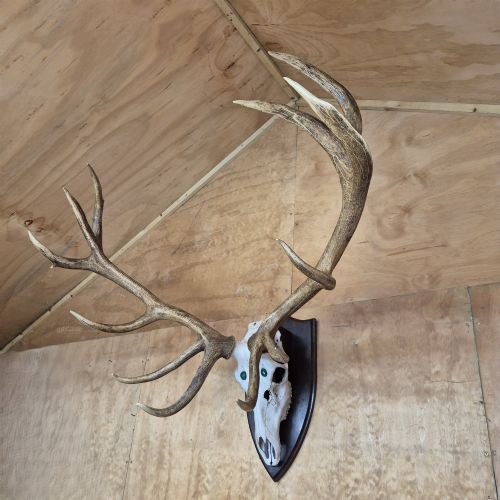
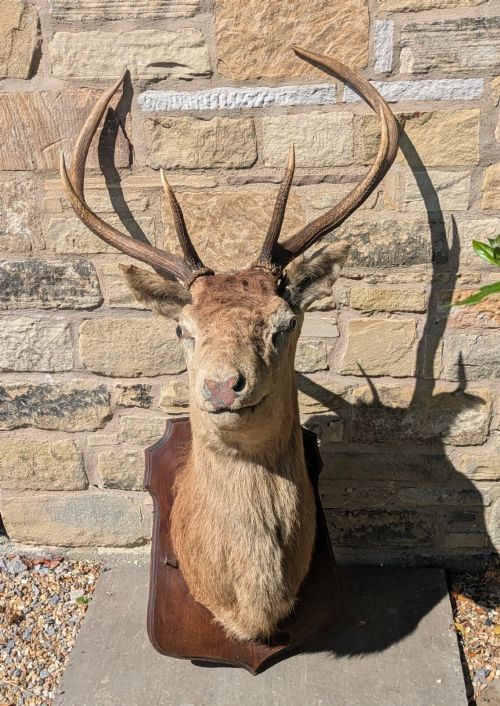
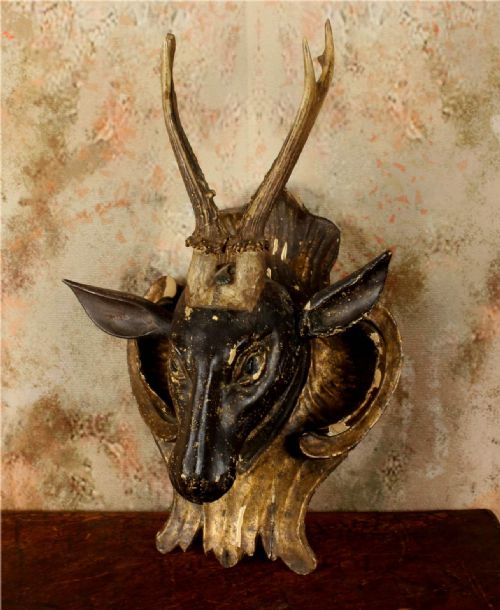
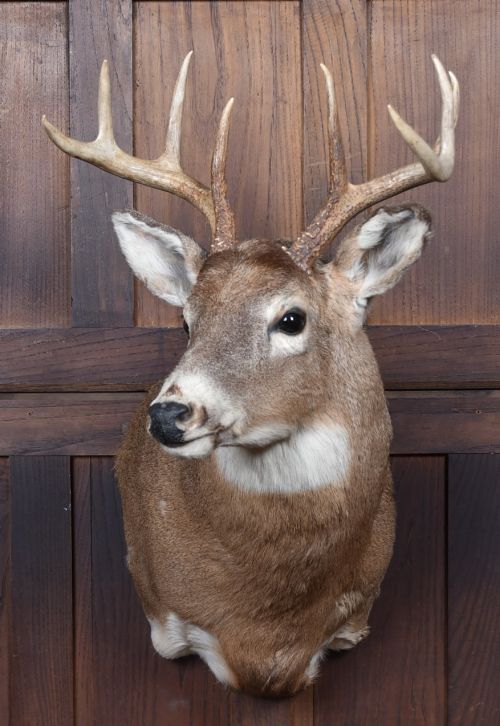
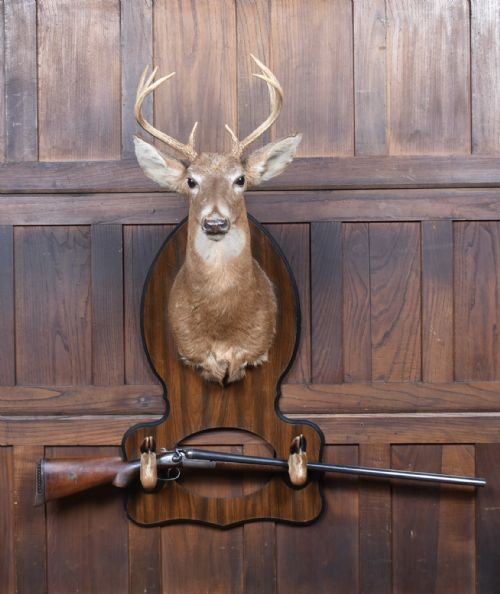
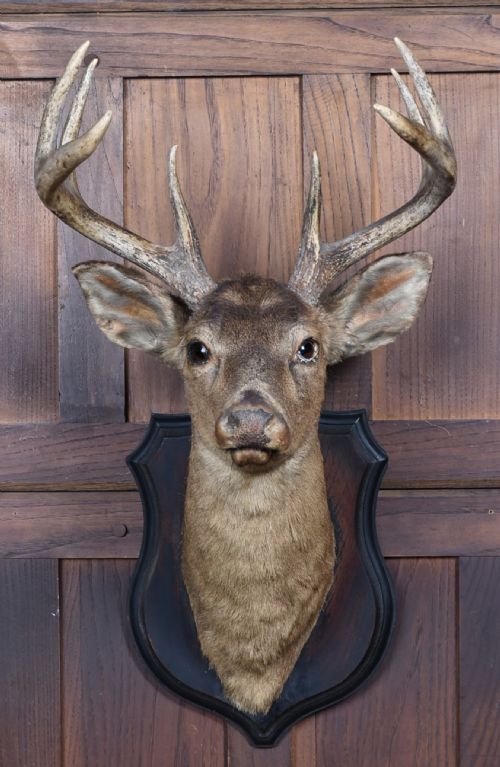
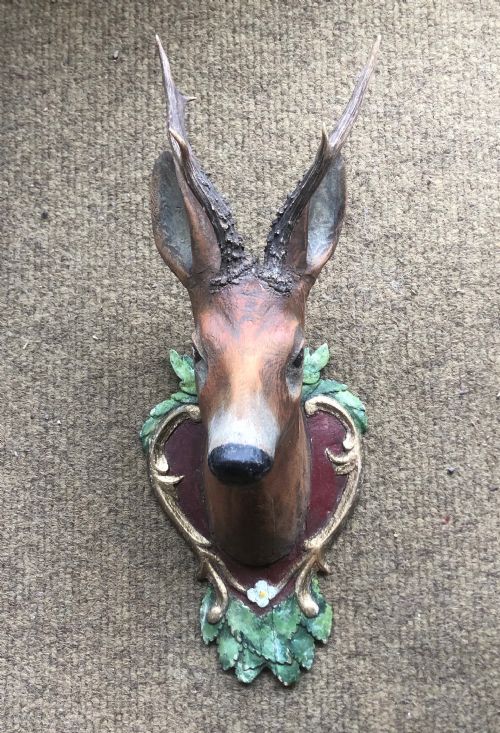
An antique antler wall mount brings the dramatic presence of the nineteenth and early twentieth centuries into a modern interior through taxidermy, carved wood trophies, and functional hallstands. When searching for an antique antler wall mount, buyers encounter everything from grand stags' heads and royal red deer antlers to smaller roebuck trophies mounted on carved shields.
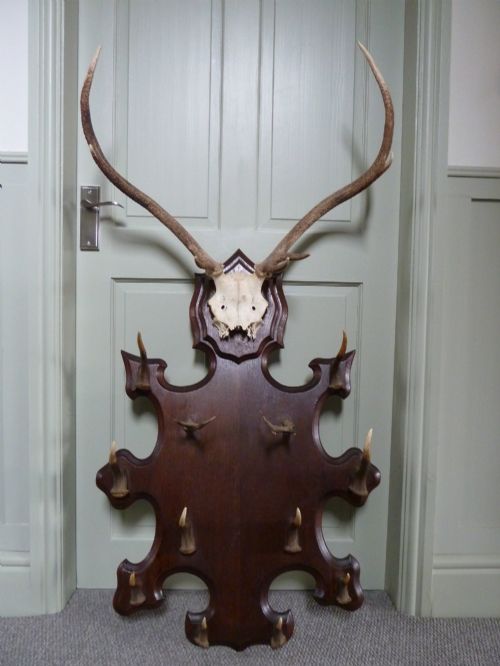
The pieces on this page span the Victorian period through to the 1930s, encompassing Victorian country house aesthetics, Highland traditional styles, and folk art interpretations. Domestic and European workshops produced these items to serve both as decorative wall sculptures and as practical coat racks and hat hooks.
Most examples rely on traditional natural history mounting techniques, fixing natural horns and antlers to wooden shields or integrating them into hallway furniture. Whether choosing a simple pair of horn coat hooks or a large waterbuck head, these items reflect historical hunting traditions and the Victorian fascination with natural history.
Materials and construction methods
Taxidermists and craftsmen utilised genuine antler, horn, and bone combined with carved woods such as oak to build these mounts. Natural hide and glass occasionally supplemented the taxidermy work, particularly in creating realistic eyes for larger mammalian heads.
Shields and backplates were frequently shaped from solid timber, sometimes featuring detailed folk art carving or painted finishes to complement the raw organic material. Metal fixings and silver collars appeared on associated equestrian accessories, while structural stability depended on secure internal bolting to the wooden backing.
Materials across these listings include natural hide, glass, bone, horn, oak, and wood, spanning periods from 1800 to the 1930s.
Assessing quality in antique mounts
Quality rests on the symmetry and point count of the antlers, the fidelity of the taxidermy work, and the artistic merit of the carved wooden shield. Superior pieces display natural posture, well-preserved bone and horn, and harmonious proportions between the trophy and its backing.
The depth of carving on the oak or wooden mounts and the integration of functional elements like coat hooks further separate standard items from finer examples. Age-related wear on natural hide and horn is expected, but the overall structural integrity of the mounting dictates the piece's standing.
The Antique Antler Wall Mount Glossary
- Taxidermy
- The art of preserving, preparing, and mounting the skins and horns of animals for display. This technique forms the foundation of most wall trophies and animal head mounts.
- Shield
- A wooden backplate, often carved from oak, upon which antlers or animal heads are mounted for hanging on a wall. It provides both structural support and an aesthetic frame for the trophy.
- Point
- An individual branch or tine on an antler. Counting these points helps identify the scale and maturity of the animal represented.
- Folk art
- Items created by self-trained makers using traditional local techniques and materials. In this context, it includes hand-carved wooden deer heads and painted interpretations.
- Hallstand
- A piece of hallway furniture combining coat hooks, hat racks, and umbrella storage, frequently incorporating stags' horns and antlers in Victorian country houses.
Antique Antler Wall Mount: Frequently Asked Questions
Are these mounts from the Victorian period?
Many examples originate from the nineteenth century, including Victorian country house and Highland traditional pieces, alongside items from the early twentieth century up to the 1930s.
Construction details such as hand-carved oak shields and traditional taxidermy methods help distinguish these older pieces from modern reproductions.
How should I clean antique antlers?
Dust the antlers and wooden shields regularly with a soft, dry brush or a feather duster to prevent particulate buildup without introducing moisture.
Avoid using water, chemical cleaners, or polishes on natural bone, horn, and taxidermy elements, as moisture can cause splitting or damage historical preservation materials.
What is the difference between folk art and traditional mounts?
Traditional mounts utilise preserved natural taxidermy specimens and real antlers harvested from red deer, roebuck, or other game, mounted professionally on wooden shields.
Folk art pieces involve entirely hand-carved wood or painted interpretations created by local makers rather than professional taxidermists.