

Antique Animalier Figure
An antique animalier figure captures the muscle, movement and spirit of birds and beasts in cast metal and stone.
Antique Animalier Figure
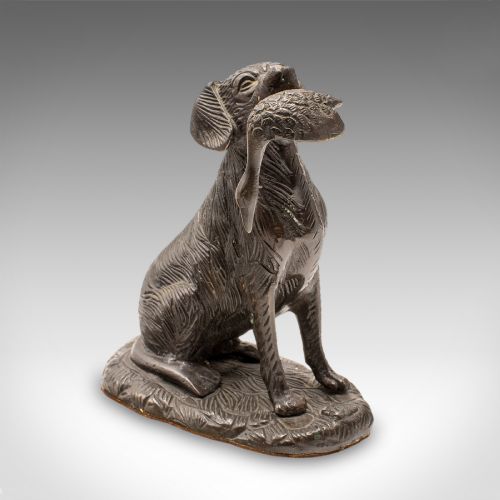
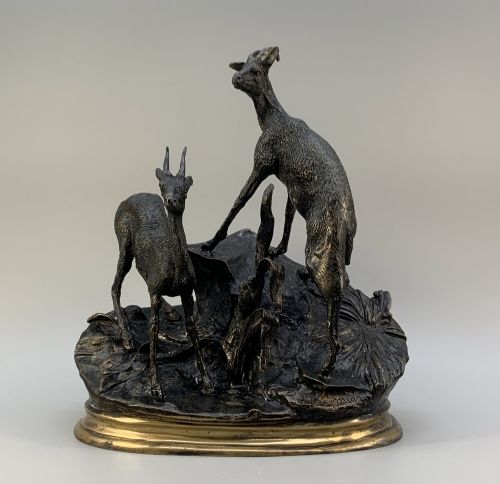
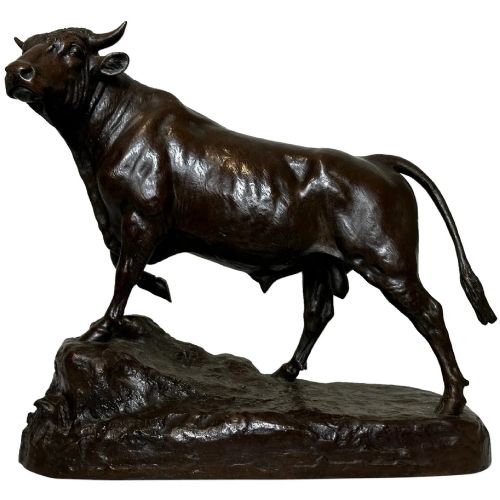
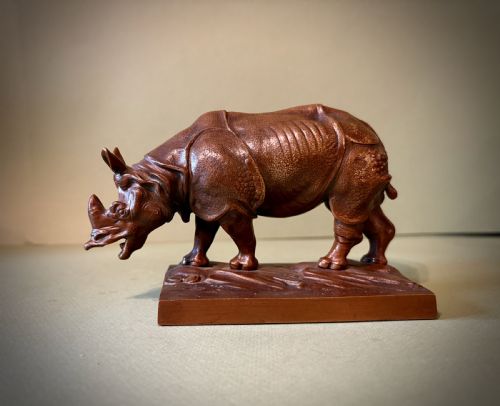
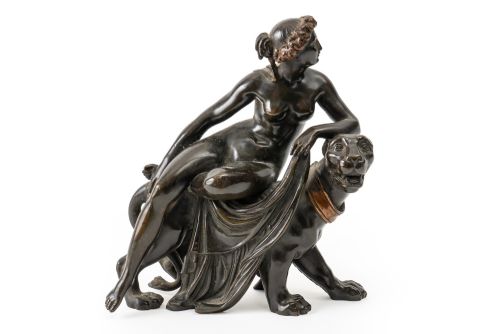
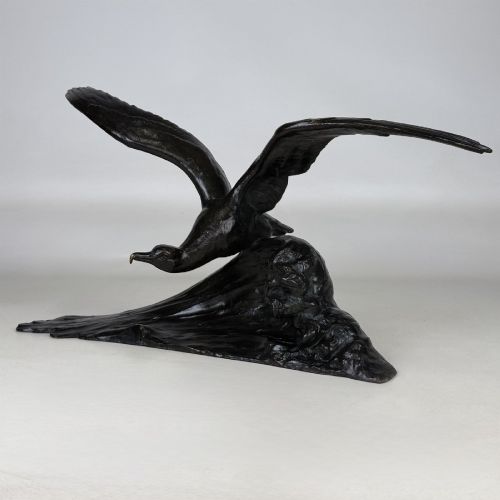
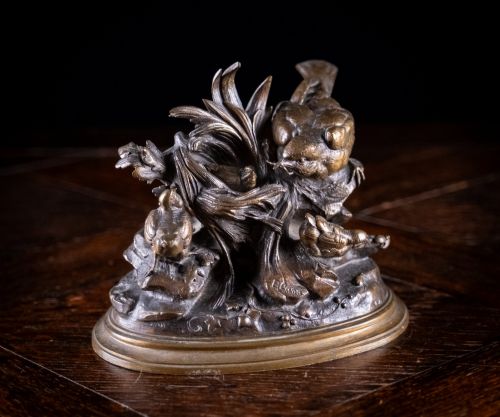
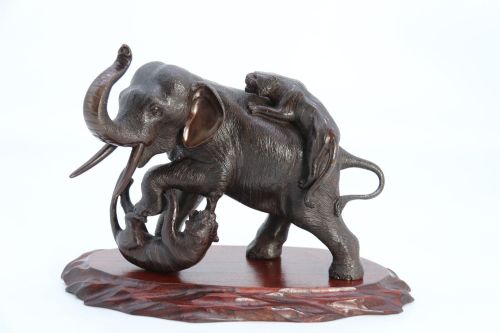
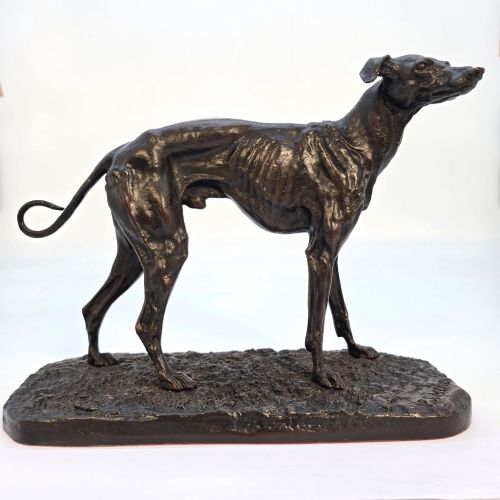
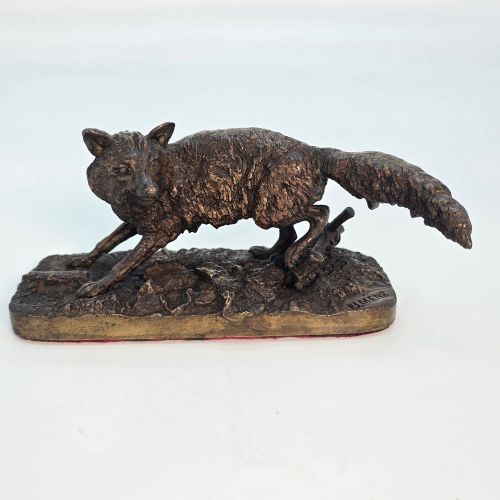
An antique animalier figure represents naturalistic studies of wild and domestic creatures, originating predominantly from French and European foundries during the nineteenth and early twentieth centuries. These works range from small domestic desk ornaments and inkwells to large sculptural groups depicting hounds, stags, horses and exotic wildlife.
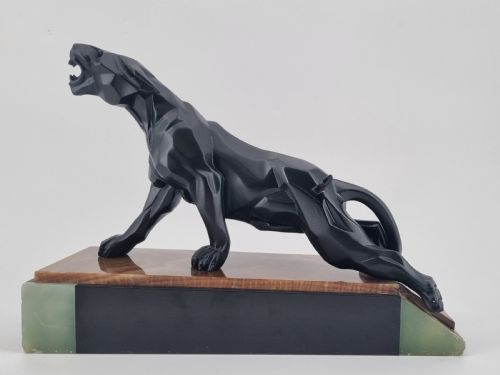
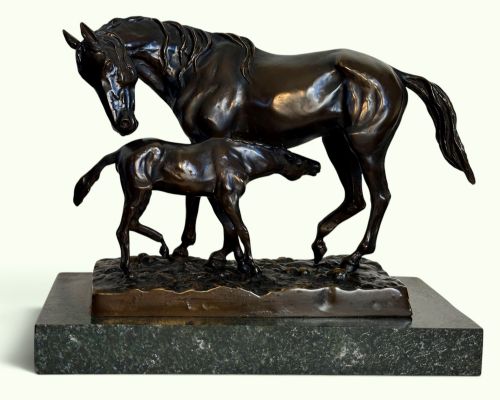
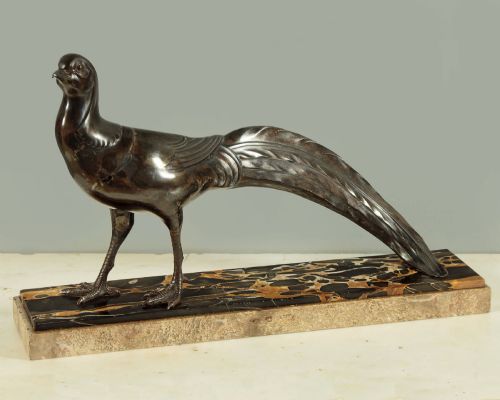
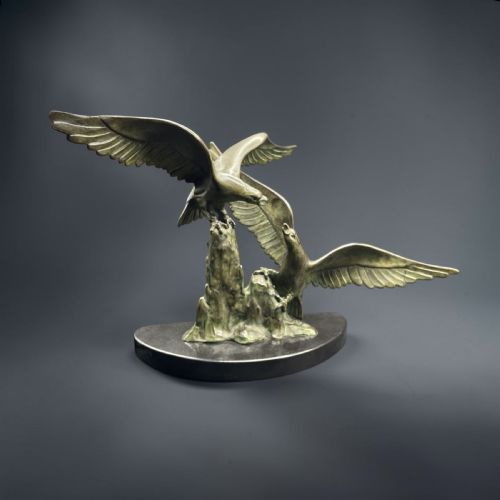
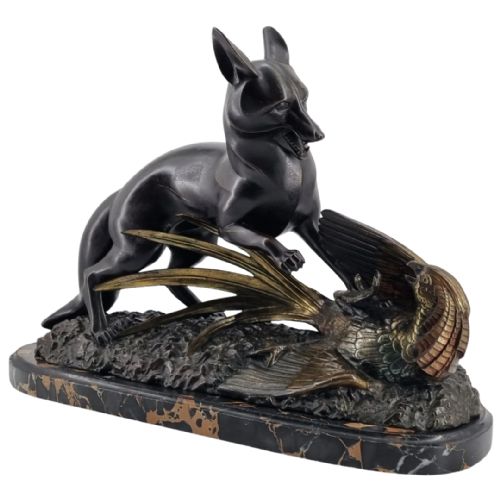
The versions most commonly met on this page date from the Victorian period through to the Art Deco era, cast in bronze or spelter and frequently mounted upon marble plinths. Subjects span from sporting dogs and racing horses to birds of prey, predators in action and humorous domestic animal studies.
How They Were Made
Foundries utilised the lost-wax casting technique or sand casting to achieve fine anatomical detail in bronze, allowing sculptors to render hair, feathers and muscle texture with precision. Many pieces received a chemical patination to create rich brown, black or green surface tones, while others featured cold-painted enamel finishes.
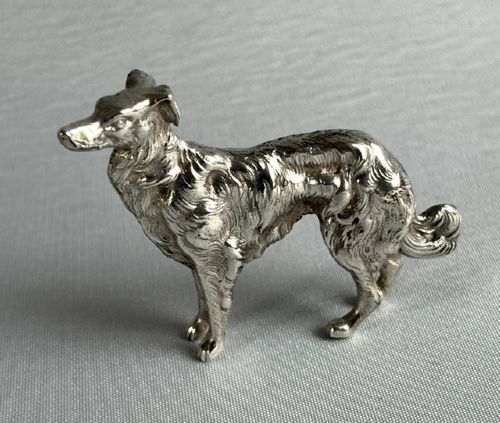
Alternative materials include spelter, an affordable zinc alloy often given a bronze-like finish, alongside carved marble bases, carved wood, sterling silver and terracotta. Japanese works combined bronze casting with inlaid details and varied patinas.
Antique Animalier Figure Retail Price Guide 2026
Typical asking prices for animalier figure among the pieces listed under this phrase on Sellingantiques today, from the lower quarter to the upper quarter. They describe what is for sale here now, not the wider market.
Listings span the nineteenth and twentieth centuries, featuring bronze, spelter, marble, terracotta and sterling silver across French, Austrian and Japanese workshops.
What Varies in Quality
The fidelity of the casting and the crispness of the chaser's work determine the distinction between ordinary production pieces and superior examples. Master founders retained the sharp muscle definition and subtle textural nuances modelled by the original sculptor.
The quality of the patination and the density of the supporting marble plinth also signal grade. Superior works exhibit deep, stable patinas and heavy, well-fitted stone bases rather than lightweight substitutes.
P. J. Mène·Lavroff·Christophe Fratin·Emile Carlier·Jules Bonheur·Antoine Louis Barye·Alfred Barye·Kunio Itô·Franz Bergman·Dora Heber·John Willis Good·Prosper Lecourtier·Alfred Dubucand·Charles Crozatier·Pierre Lenordez
The Antique Animalier Figure Glossary
- Animalier
- A nineteenth-century artistic movement dedicated to the realistic portrayal of animals, particularly in sculpture. Practitioners studied live specimens at menageries to capture authentic postures.
- Patination
- The chemical treatment applied to the surface of a metal sculpture to produce a specific colour and finish. A good patina ages gracefully and protects the metal beneath.
- Spelter
- A zinc alloy commonly utilised as a less expensive alternative to bronze during the late nineteenth and early twentieth centuries. It is softer and lighter than bronze.
- Cold-painted
- A method of applying polychrome paint to bronze without heat firing. The paint sits on the metal surface and requires careful preservation.
- Lost-wax casting
- A traditional method where a wax model is melted out of a mould to leave a cavity for molten metal. This process permits intricate undercut details.
Antique Animalier Figure: Frequently Asked Questions
What is an animalier figure?
An animalier figure is a nineteenth or early twentieth-century sculptural study focused strictly on the anatomy and behaviour of animals. These pieces range from realistic hunting dogs to exotic wildlife.
Created primarily by European artists, they celebrate the natural world through careful observation and skilled metal casting.
How do I tell bronze from spelter?
Bronze is heavier, colder to the touch and rings with a resonant tone when tapped gently, whereas spelter is softer and lighter. Spelter also shows a greyish metal underneath if the surface coating chips.
Examining the underside or natural wear points often reveals the true base metal.
How were these sculptures cleaned?
These figures require only gentle dusting with a soft brush to maintain their surface integrity. Liquid cleaners and harsh abrasives strip away the historic patination.
Preserving the original patina protects the metal and maintains the authentic character of the piece.
Why are some figures mounted on marble?
Marble bases provided weight and stability for heavy metal sculptures, particularly those depicting animals in dynamic or balanced poses. Veined Carrara and black marble were popular choices for Victorian and Art Deco mounts.
The stone plinth also added an architectural element that framed the sculpture for display on a desk or mantelpiece.