




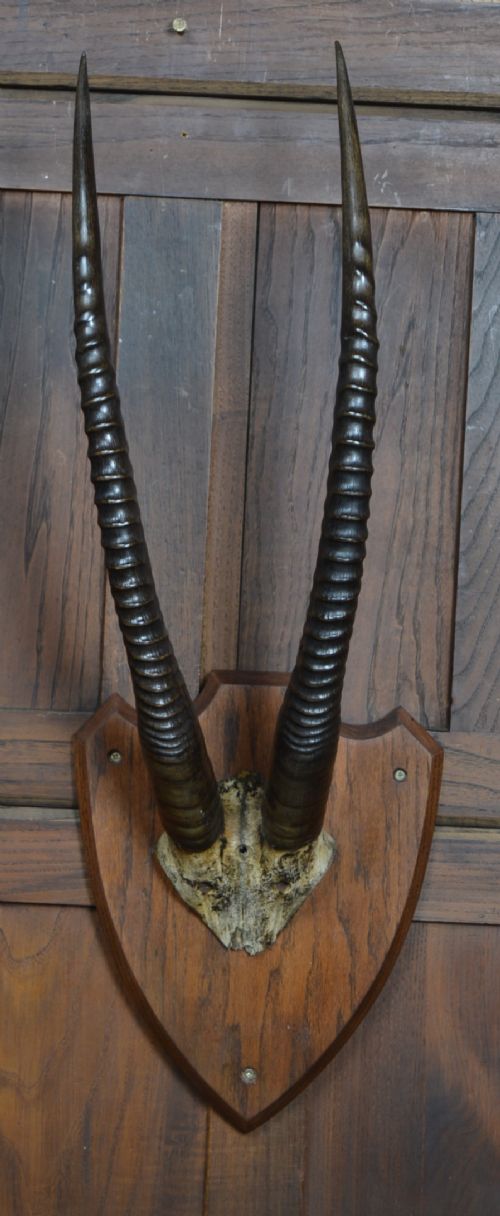
Antique Animal Trophy
An antique animal trophy brings the character of the Victorian and Edwardian hunting lodge directly into a room.
Antique Animal Trophy
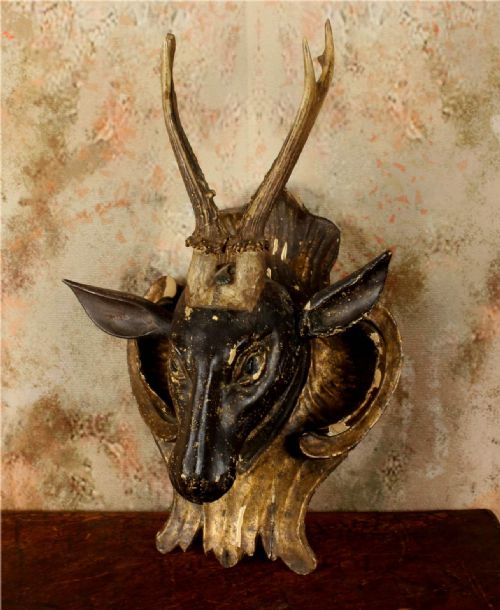
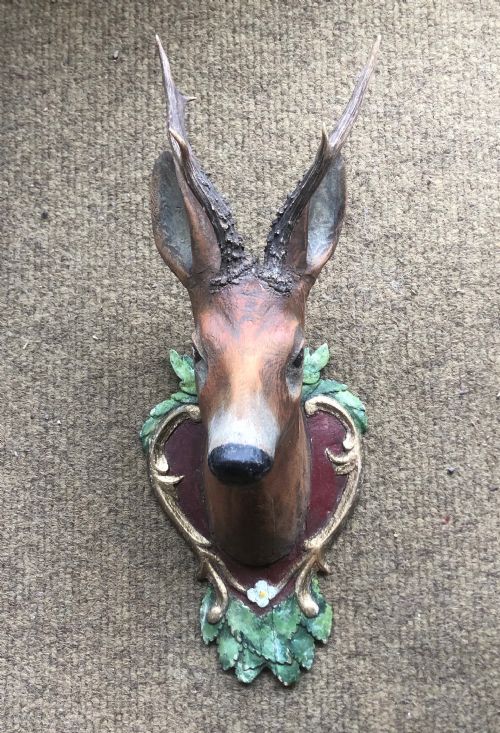
When you search for an antique animal trophy, you encounter a distinct mix of taxidermy mounts, wall carvings, and presentation trophies from the nineteenth and early twentieth centuries. These objects range from rural folk art carvings in wood to elaborate mounted horns and taxidermy specimens prepared by notable London firms.
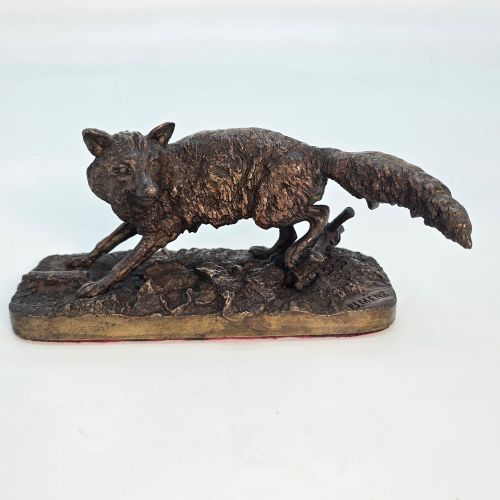
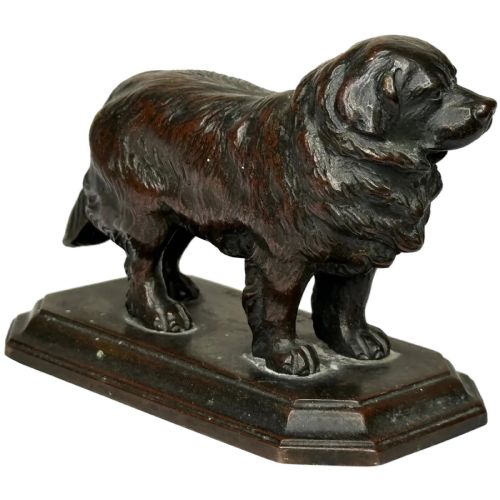
The selections available here lean heavily toward Victorian and Edwardian pieces, alongside Black Forest carvings and Anglo-Indian colonial items. You will find wall sculptures, mounted horns, and bronze animalier sculptures representing various hunting traditions.
Many of these items reflect specific regional aesthetics, from Scottish highland hunting lodge styles to Swedish painted folk art. They serve as historical decorative objects that document past craftsmanship and natural history interest.
Materials and construction methods
Makers utilised natural materials such as horn, antler, bone, and wood, often combining them with brass, silver, glass, and paint. Taxidermy mounts required careful preparation of animal skins and masks, while wooden trophies involved detailed hand carving.
Metalwork played a key role in presentation pieces, utilising cast bronze and mounted silver or brass fixtures to support and frame the natural elements. Painted wooden sculptures incorporated pigments to highlight texture and form.
Antique Animal Trophy Retail Price Guide 2026
Typical asking prices for animal trophy among the pieces listed under this phrase on Sellingantiques today, from the lower quarter to the upper quarter. They describe what is for sale here now, not the wider market.
Factors that distinguish individual pieces
The distinction between standard items and superior examples lies in the precision of the taxidermy work and the depth of the carving. Pieces attributed to established workshops display a higher level of anatomical accuracy and finishing.
Material selection and the integrity of the mount also determine quality, with well-preserved horn, clean silver inscriptions, and robust wooden backings indicating superior craftsmanship.
Peter Spicer & Sons·Gerrard & Sons London·Edward Gerrard & Sons
The Antique Animal Trophy Glossary
- Taxidermy Mount
- The preservation and mounting of animal skin or parts to display a lifelike appearance. This technique forms the basis of many wall trophies.
- Black Forest Carving
- Detailed wooden sculpture originating from the Central European region, typically depicting woodland animals and foliage. These pieces often feature deep undercutting and realistic textures.
- Animalier
- A nineteenth-century artistic style focusing on the realistic portrayal of animals in sculpture and bronze. Artists in this tradition emphasised dynamic movement and accurate anatomy.
- Folk Art
- Decorative items created by self-taught or traditional craftsmen using local materials. In this category, items often display charming irregularities rather than strict academic precision.
- Presentation Trophy
- An inscribed object awarded or commissioned to commemorate a specific event or achievement. These frequently incorporate precious metals like silver alongside natural horns.
Antique Animal Trophy: Frequently Asked Questions
What periods do these pieces come from?
The selection spans the nineteenth and early twentieth centuries, including Victorian, Edwardian, and later periods.
You will find items dating from the eighteen hundreds up to nineteen forty, reflecting changing styles in interior decoration and natural history collection.
How were wooden trophies created?
Wood carvers shaped solid blocks into realistic animal heads, often incorporating real antlers or horns into the design.
Craftsmen in regions like the Black Forest utilised hand chisels to render fur and expression with high detail.
What materials are most common?
Horn, antler, wood, and bone appear frequently across the listings, often paired with mounting hardware made from brass, silver, or iron.
Some pieces also incorporate glass eyes, painted surfaces, and cast bronze to complete the composition.
How do I identify a taxidermy mount?
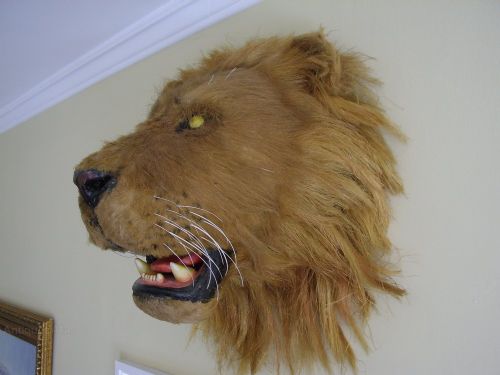
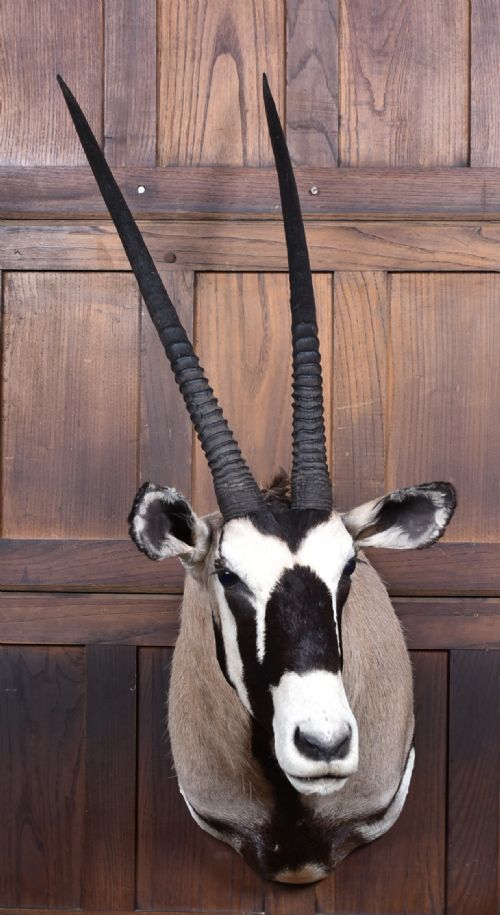
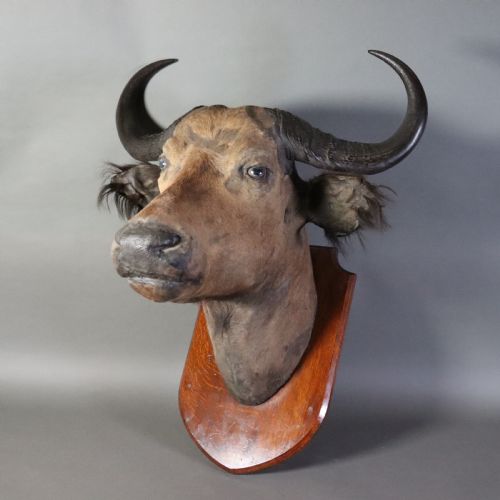
Taxidermy mounts involve preserved animal skins fitted over a constructed form, frequently presented as wall-hanging masks or shoulder mounts.
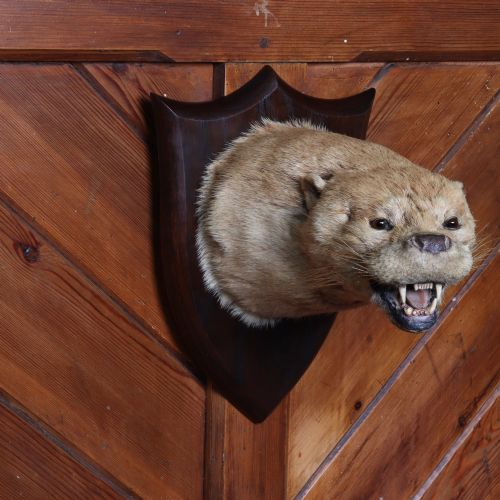
Examples range from otter masks to large buffalo and antelope trophies from African and Indian expeditions.