

Antique Animal Table
When you search for an antique animal table, you are looking at items that bring sculptural form and utility together, spanning Victorian lighting to Black Forest wood carving.
Antique Animal Table
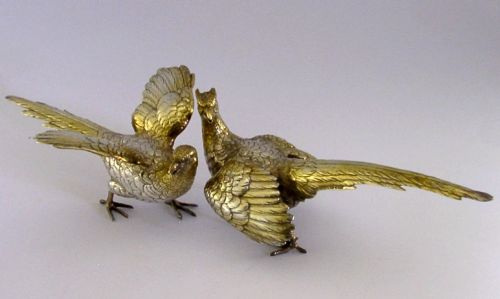
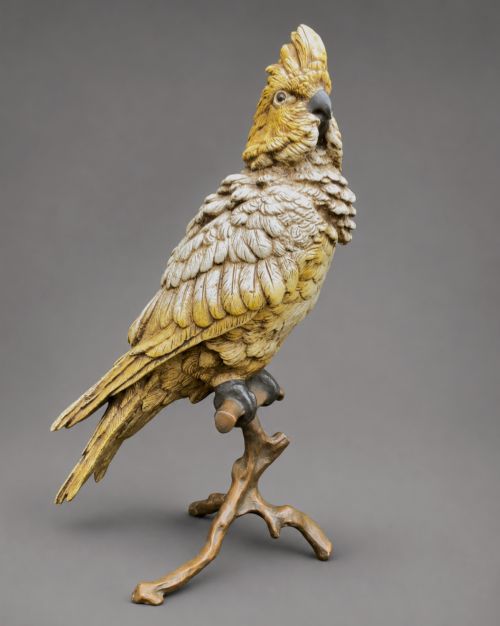
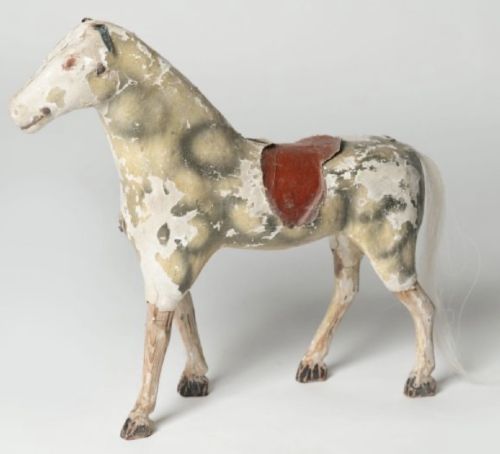
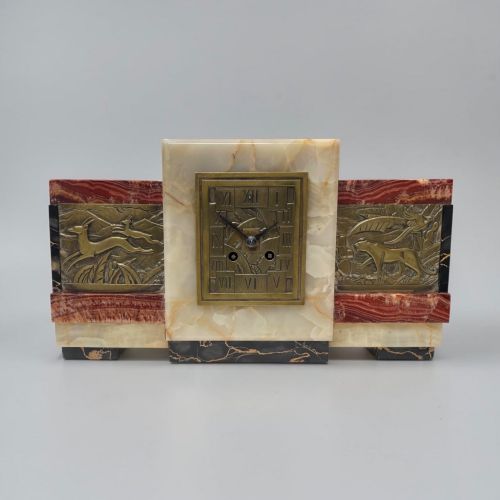
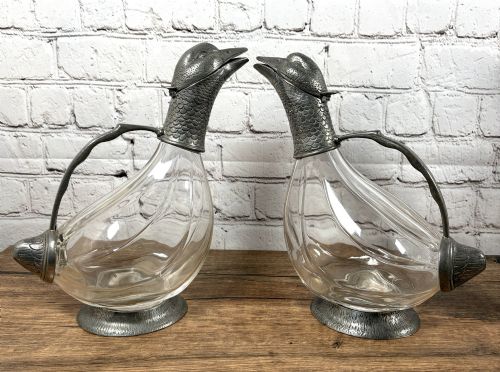
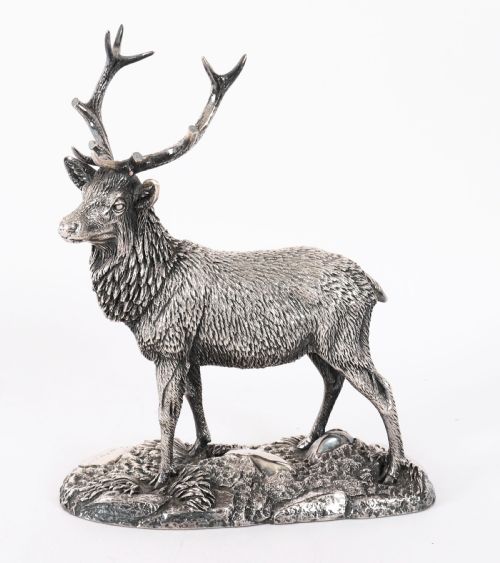
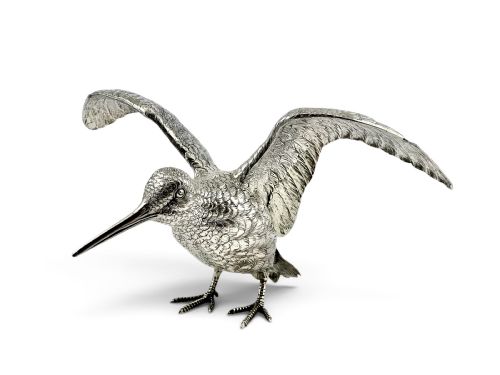
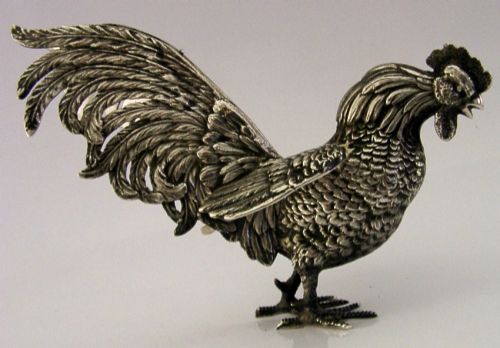
An antique animal table search typically reveals functional items and decorative objects where fauna takes a central role, ranging from side tables and coffee tables to table lamps and ornaments. These pieces bridge the gap between practical furniture and sculptural art, incorporating motifs of dogs, stags, birds, and bears into everyday items.
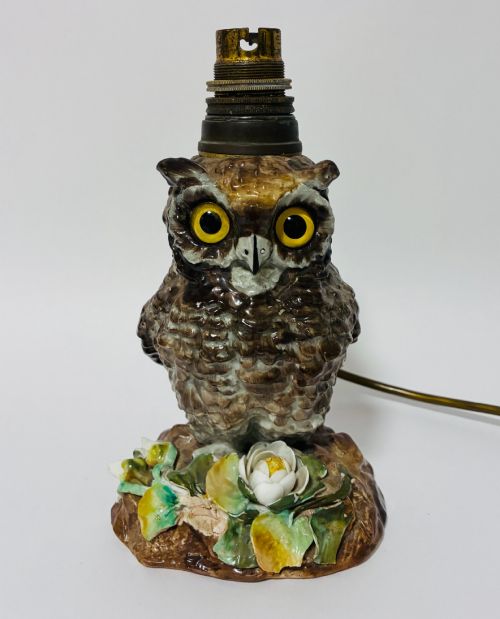
The selections span from the nineteenth century through the Edwardian era and into the 1920s and 1930s, reflecting changing domestic tastes in Britain, France, Germany, and beyond. You will encounter table lamps supported by brass eagles or ceramic owls, alongside carved wooden side tables and novelty silver items designed for the dining table.
How they were made
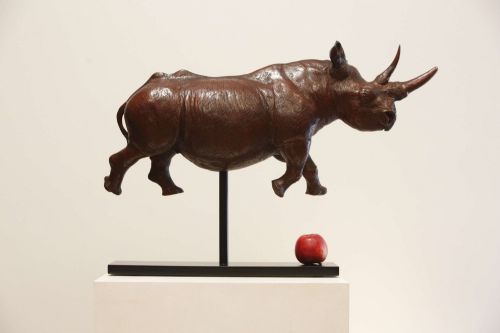
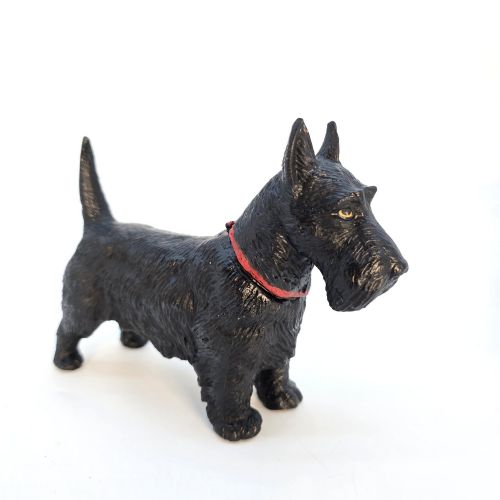
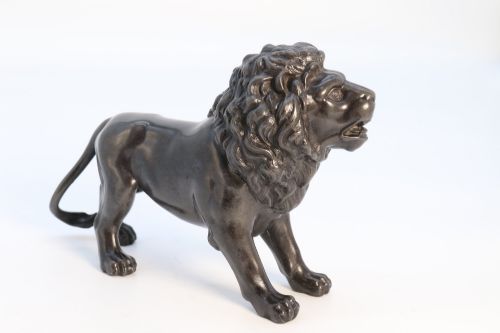
Makers utilised cast bronze, sterling silver, brass, and pewter to capture the musculature and feather detail of various beasts, often employing the lost-wax casting method for bronze figures. Metal elements frequently received hand-chased surface finishes to define fur and plumage before assembly onto marble plinths or wooden bases.
Wood pieces rely on traditional carving techniques, particularly evident in Black Forest linden wood items where artisans hand-carved bears and woodland scenes into structural forms. Ceramics and porcelain figures were cast in moulds, hand-painted, and glazed before integration into oil lamps and lighting bases.
Antique Animal Table Retail Price Guide 2026
Typical asking prices for animal table among the pieces listed under this phrase on Sellingantiques today, from the lower quarter to the upper quarter. They describe what is for sale here now, not the wider market.
Listings feature lighting, sculptures, and small furniture in sterling silver, bronze, brass, and carved wood from the Victorian and Edwardian periods.
What varies in quality
Quality rests primarily on the anatomical accuracy and expressive life of the animal subject, distinguishing stiff or generic castings from works that capture convincing movement and tension. Master modellers achieved depth in fur and feather rendering that lesser workshops reduced to flat, uniform patterns.
The integration of the creature with the functional object dictates overall excellence, separating pieces where the animal feels like an afterthought from those where sculpture and utility serve each other equally. Heavier gauges of silver, dense marbles, and crisp, untracked wood carving denote the upper tiers of production.
Tom Mackie·A. Wilcox·P J Mêne·Alfred Barye·Masaaki·Berthold Muller
The Antique Animal Table Glossary
- Animalier
- A nineteenth-century artistic movement and style focused on the realistic depiction of animals, particularly predators and prey in dynamic poses. Sculptors in this tradition frequently cast their works in bronze.
- Black Forest
- A style of wood carving originating from the mountainous region of Germany and Switzerland, characterised by realistic depictions of bears and woodland animals integrated into furniture and lamps. Linden wood is the primary material utilised.
- Bocage
- An ornamental background of carved or modelled foliage and branches surrounding a porcelain figure. It frequently appears behind eighteenth-century animal figures.
- Okimono
- A Japanese decorative statue intended for display on a table or in a room alcove. These carvings display intricate attention to natural detail.
- Novelty silver
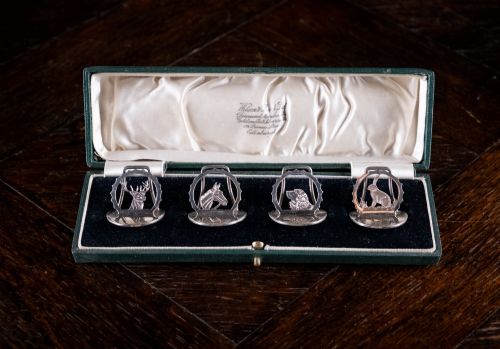
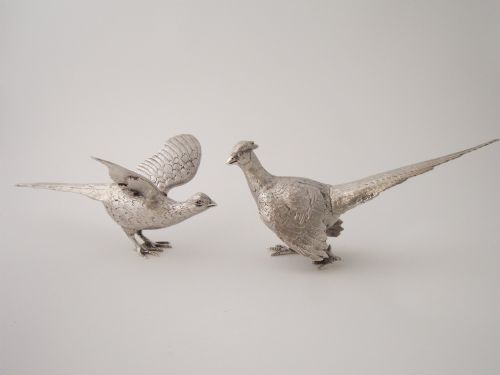
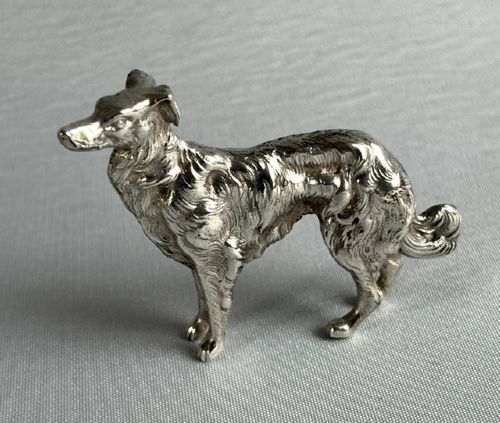
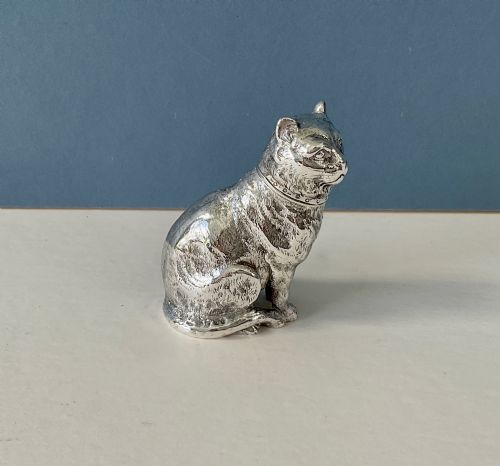
- Small functional objects like peppers, boxes, and menu holders fashioned into playful animal shapes. Victorian and Edwardian silversmiths produced these items in great variety.
Antique Animal Table: Frequently Asked Questions
What defines an antique animal table?
These items combine utilitarian surfaces or lighting with zoological sculpture, encompassing small occasional tables, lamp bases, and sturdy table ornaments.
They reflect historical fascination with wildlife, domestic pets, and game, translating natural forms into functional household accessories.
How do I date a bronze animal sculpture?
Dating relies on patination, foundry marks, and the distinct stylistic conventions of the nineteenth or early twentieth century. Bronze compositions from the Victorian period often exhibit naturalistic patinas developed through handling and age.
Signatures inscribed directly into the bronze or cast base point to specific sculptors active during the height of the animalier movement.
Where were Black Forest carvings made?
These wooden items originated in the wooded regions of Germany and Switzerland during the nineteenth and early twentieth centuries. Local artisans utilised native timbers like linden wood to carve bears, dogs, and forest foliage.
Such carvings were often created as decorative table lamps, umbrella stands, or small furniture for European and British homes.
How should I clean silver animal ornaments?
Silver pepperettes, menu holders, and figures require careful dusting with a soft cloth to preserve delicate chased details and hallmarks. Aggressive polishing wears away thin silver plating and softens the hand-tooled lines of feathers and fur.
Specialist silver cleaner should be used sparingly and only when tarnish obscures the definition of the metal.