






Antique Animal Mount
An antique animal mount brings the raw texture of the natural world indoors, offering sculptural forms that capture the character of creatures through taxidermy, carved wood, and metalwork.
Antique Animal Mount
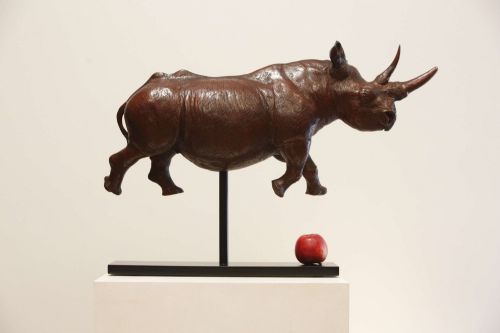
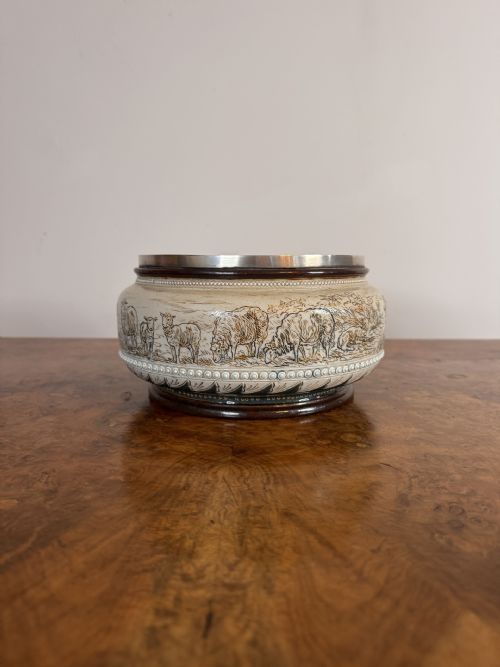
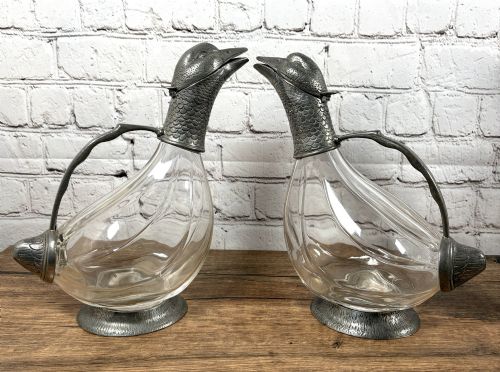
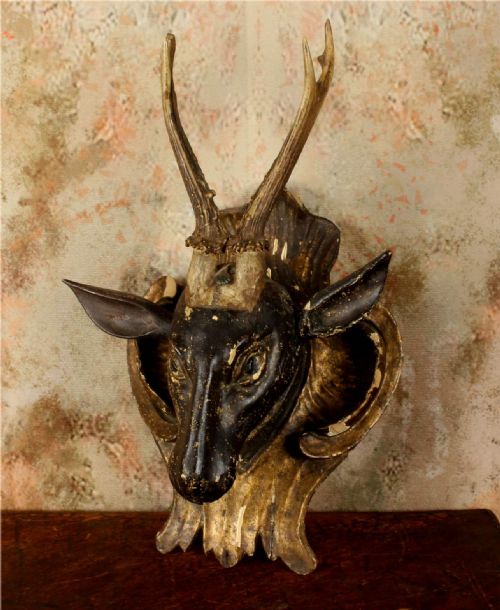
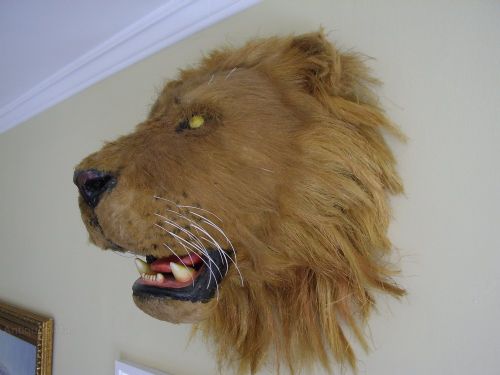
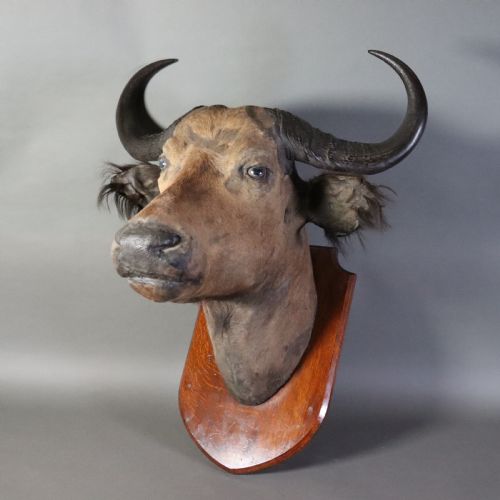
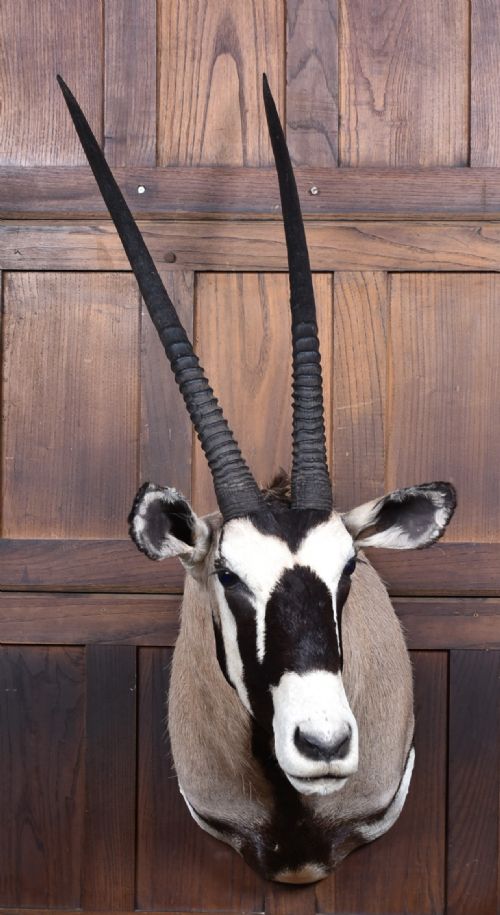
When you search for an antique animal mount, you enter a diverse field encompassing taxidermy trophies, carved wooden heads, and metal sculptures. These pieces range from Victorian taxidermy specimens mounted on shields to Folk Art carvings and metal desk studies from the nineteenth and early twentieth centuries.
The versions you are most likely to meet on this page include taxidermy horn mounts, carved wooden animal heads, and bronze or silver animal studies. Originating across various periods such as the Victorian and Edwardian eras, these items reflect historical attitudes towards nature and domestic decoration.
Materials and construction
Makers utilised a combination of natural organic materials and metals, shaping horn, bone, wood, and glass into lasting decorative objects. Taxidermy mounts required curing and taxidermy techniques to preserve hides and antlers over wooden or plaster forms.
Metalwork pieces involved casting bronze and silver, sometimes employing cold painting to add colour and realism to the surface. Carved wooden specimens relied on traditional woodworking tools to shape walnut and hardwood into detailed animal forms.
Antique Animal Mount Retail Price Guide 2026
Typical asking prices for animal mount among the pieces listed under this phrase on Sellingantiques today, from the lower quarter to the upper quarter. They describe what is for sale here now, not the wider market.
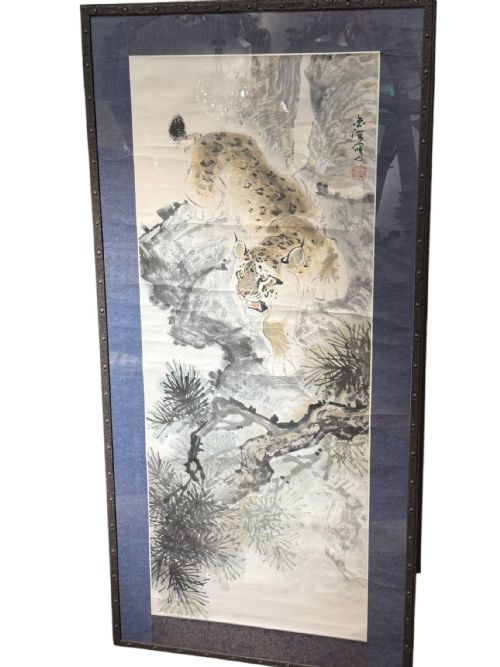
The collection includes wall sculptures, walking sticks, and taxidermy specimens originating from British, European, and Asian workshops.
Distinctions in quality
Quality in these pieces rests on the anatomical accuracy of the carving or taxidermy and the reputation of the workshop or maker involved. Renowned taxidermy firms achieved lifelike expressions and precise mounting that elevated a simple trophy into a work of natural history art.
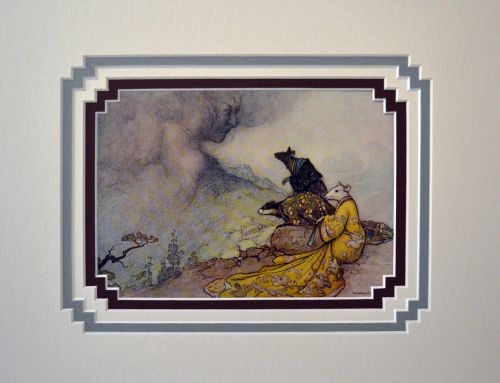
The fineness of the detailing in cast metal studies or hand-carved wood distinguishes superior examples from simpler utilitarian objects. Preservation of the original materials, whether delicate horn, paper prints, or painted bronze surfaces, also defines the higher tiers of the range.
Peter Spicer & Sons·Edward Gerrard & Sons
The Antique Animal Mount Glossary
- Taxidermy mount
- The art of preserving, preparing, and mounting the hard skin or pelts of animals with lifelike effect. This process often includes a supporting armature to recreate the living posture of the creature.
- Cold painted bronze
- A method of painting bronze sculptures with non-heat-set paints, typically oil-based, applied over a metallic base. This technique allows for intricate polychrome detailing on small animal studies.
- Trophy head
- A preserved head and neck of an animal, usually mounted on a wooden shield or plaque for wall display. These objects were frequently produced during the Victorian and Edwardian periods.
- Folk art
- Utilitarian or decorative items created by self-taught or provincial artisans using traditional local materials. In this context, it describes hand-carved wooden animal figures and rustic mountings.
- Horn
- The hard, permanent sheath covering the bony cores of horns in various mammals, utilised for decorative displays and walking stick handles. Makers polished or mounted these materials onto wooden plinths.
Antique Animal Mount: Frequently Asked Questions
How do I clean taxidermy and horns?
Dust taxidermy mounts and horn specimens gently with a soft, dry brush or a feather duster. Avoid using water or liquid chemical cleaners on organic materials, as moisture causes cracking and degradation.
For metal parts on mounted horns, use a dry microfibre cloth to remove surface dust without disturbing the surrounding organic elements.
Were these pieces made as hunting trophies?
Many taxidermy horn and head mounts originated from hunting expeditions during the nineteenth and early twentieth centuries. These items served as records of travel and sporting achievements in domestic interiors.
Other examples, such as carved wooden heads and bronze studies, were produced purely as decorative art objects without any hunting origin.
How can I tell a Victorian mount from a later one?
Victorian pieces often feature specific taxidermy methods, dense hardwoods, and traditional brass fixings characteristic of nineteenth-century craftsmanship. Documentation or maker plaques on the reverse can also verify the period.
Later Edwardian and 1930s examples introduce different stylistic influences, such as Art Deco geometric plinths or modified mounting techniques reflecting changing interior aesthetics.