


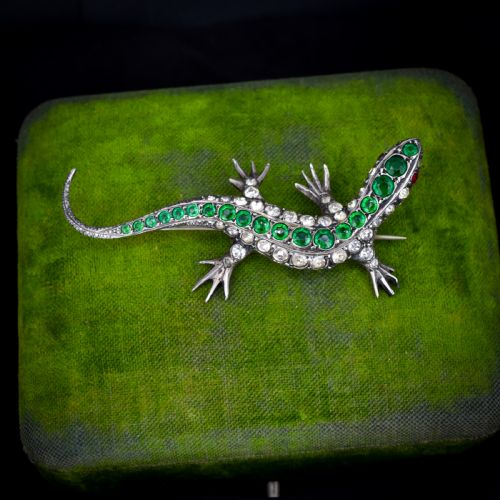


Antique Animal Jewelry
Antique animal jewellery brings together naturalistic creatures and precious metals, offering collectors miniature sculptural pieces set with diamonds, rubies, and enamel.
Antique Animal Jewelry
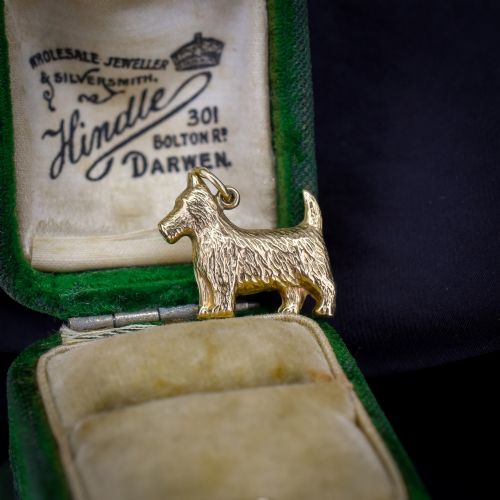
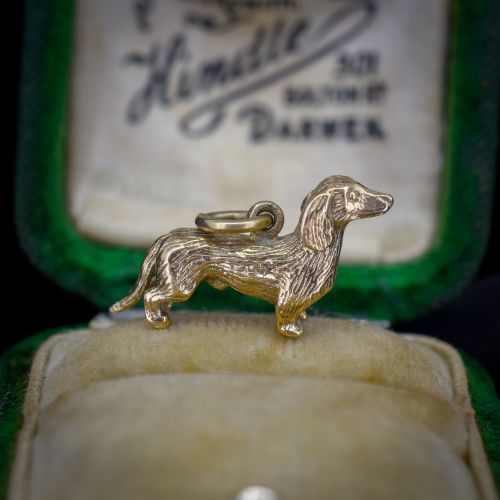
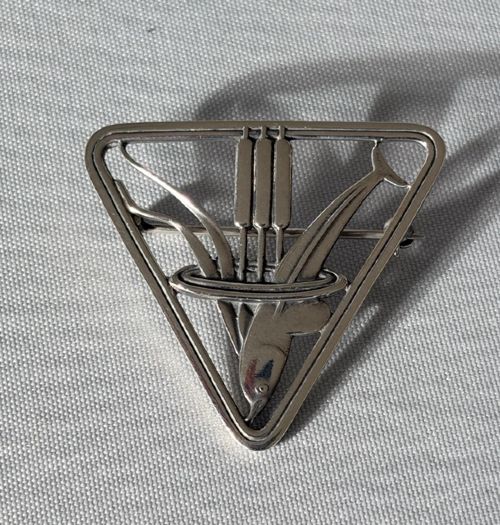
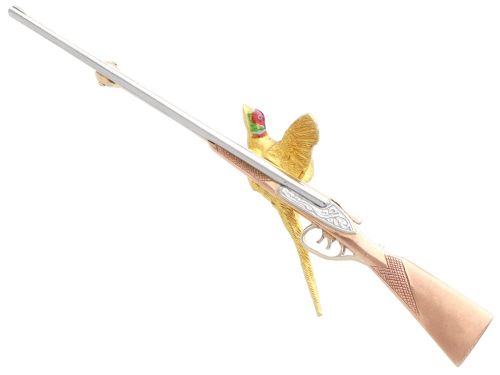
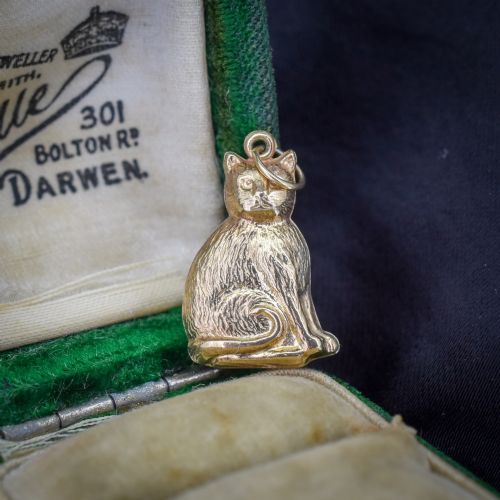
Antique animal jewellery encompasses wearable fauna rendered across brooches, charms, pendants, and bracelets from the Victorian, Edwardian, and Art Deco periods. These pieces transform subjects such as birds, dogs, reptiles, and mythical beasts into precious ornaments shaped from gold and silver.
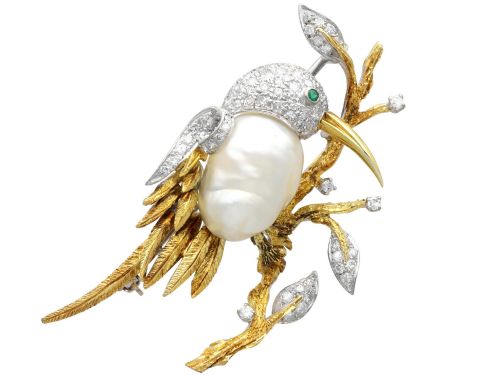
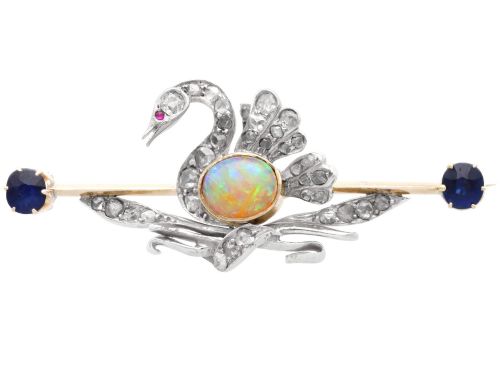
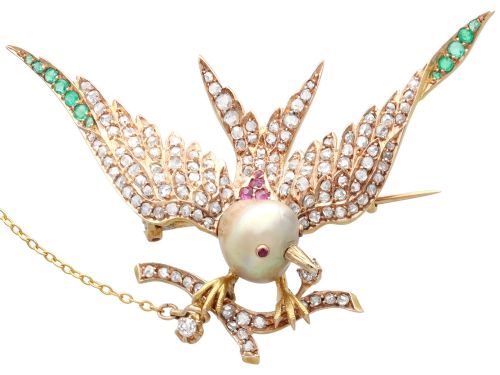
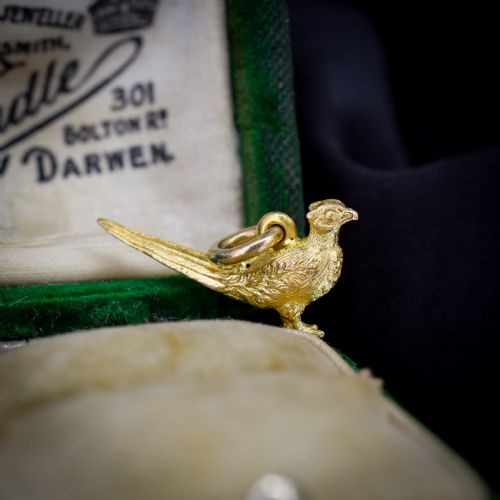
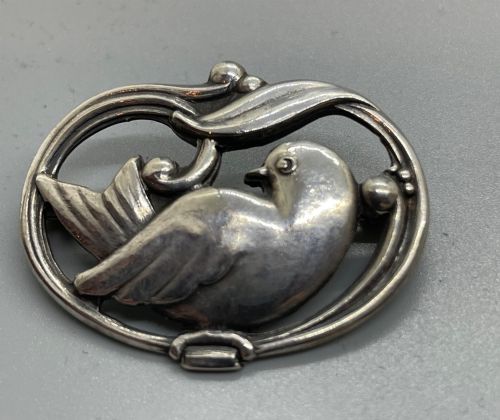
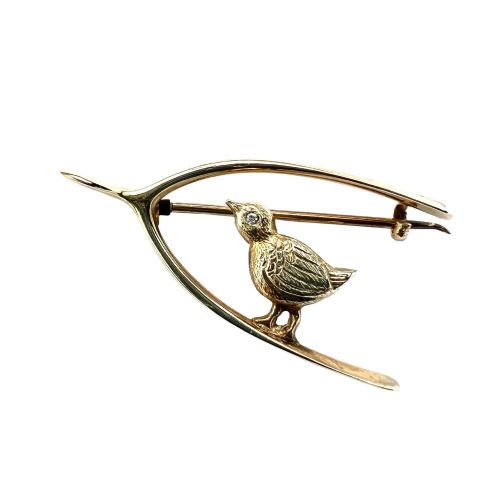
The most common formats on this page are figural brooches and pendants depicting birds, insects, and domestic animals. Buyers frequently encounter winged creatures and hounds executed in 9ct yellow gold, silver, and platinum.
Makers utilised gemstones like diamonds, emeralds, rubies, sapphires, and coloured paste to delineate eyes, plumage, and bodies. Periods range from the nineteenth century through the 1930s, incorporating naturalistic motifs and sporting themes.
How they were made
Goldsmiths constructed these pieces using 9ct yellow gold, 18ct yellow gold, platinum, and silver, often combining metals to highlight specific anatomical details. Artisans set precious stones including diamonds, emeralds, rubies, and sapphires into the metalwork to create shimmering eyes and feathered surfaces.
Coloured enamel and paste stones provided vivid hues for subjects like ducks, lizards, and pheasants. Natural materials such as blister pearls, natural pearls, chalcedony, and opal were carved or mounted directly into the figural designs.
Antique Animal Jewelry Retail Price Guide 2026
Typical asking prices for animal jewelry among the pieces listed under this phrase on Sellingantiques today, from the lower quarter to the upper quarter. They describe what is for sale here now, not the wider market.
The inventory spans the Victorian and Edwardian eras, extending into the 1920s and 1930s with Art Deco designs.
What varies in quality
Quality in these figural pieces rests upon the precision of the sculptural carving and the anatomical accuracy of the creature depicted. Finer examples display meticulous feather or fur texturing alongside secure gemstone settings that integrate harmoniously with the metallic form.
The choice and execution of materials also distinguish superior pieces, such as those employing well-matched diamonds and vibrant enamel over solid gold or platinum. Lesser items may rely on simpler silver stampings with paste stones and minimal hand-finishing.
Hamilton and Co Calcutta·Ilias Lalaounis
The Antique Animal Jewelry Glossary
- Paste
- Faceted glass used as an imitation gemstone in antique jewellery. It is cut and polished to catch the light much like a genuine diamond or coloured gem.
- Fob seal
- A small pendant featuring a carved stone matrix used historically for stamping wax seals on correspondence. They frequently incorporate figural motifs such as elephants.
- Enamel
- Vitrified glass powder fused to metal through high-temperature firing. This technique produces durable, glossy coloured decorations on metal surfaces.
- Blister pearl
- A pearl that forms attached to the inner shell of an oyster rather than within the tissue. It creates a hollow or half-dome shape often utilised in bird brooches.
Antique Animal Jewelry: Frequently Asked Questions
What periods do these pieces date from?
The selection spans the nineteenth century through the early decades of the twentieth century. Common eras include the Victorian, Edwardian, and Art Deco periods.
Specific construction techniques and material combinations help assign pieces to these historical spans, ranging from silver novelty items to platinum and diamond brooches.
How were these ornaments worn?
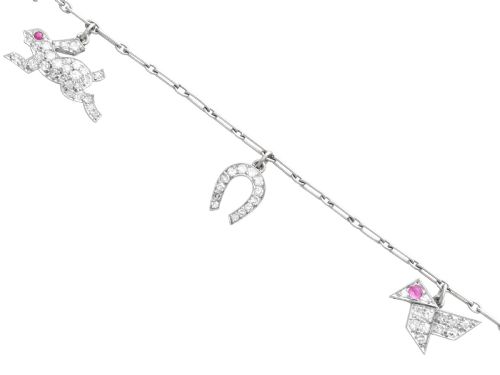
Many of these items function as brooches and pins designed to be fastened to lapels, collars, or hats. Other forms include charms and pendants suspended from chains or charm bracelets.
Figural bracelets wrap around the wrist, integrating animal motifs directly into the links or clasps.
What animals appear most often?
Birds feature prominently among the available items, including swans, ducks, chicks, and pheasants rendered in gold and silver. Reptiles such as lizards and insects also recur frequently.
Domestic and wild mammals, including dogs, pigs, bears, and elephants, complete the typical menagerie found in these historic pieces.
How do I care for antique jewellery?
These delicate metal and gemstone items require gentle handling to preserve fragile enamel, paste stones, and pearls. Cleaning should be done softly without harsh chemical immersion.
Store each piece separately in a lined box to prevent scratching between items like gold brooches and silver charms.