


Antique Animal Head
These antique animal head pieces capture creatures in silver, wood, taxidermy and brass, offering tactile conversation pieces for the desk, wall or hallway.
Antique Animal Head
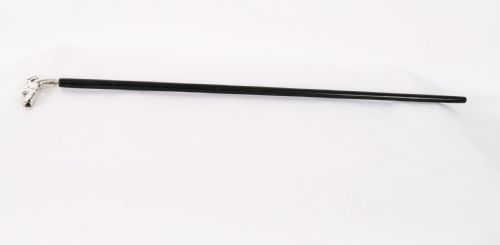
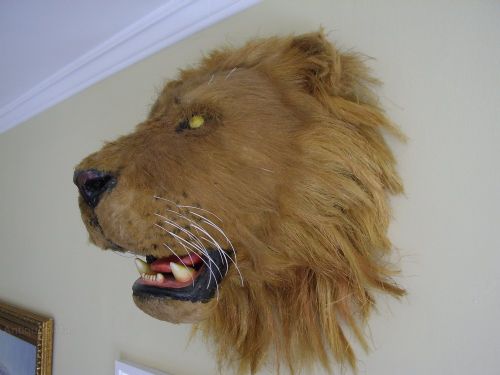
When you search for an antique animal head, you encounter a diverse gathering of objects ranging from functional items to wall sculptures. The selection spans walking sticks with sculpted creature handles, taxidermy trophies, and cast metal doorstops.
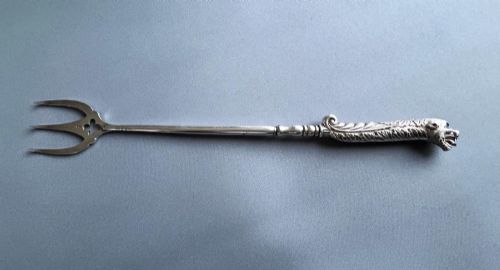
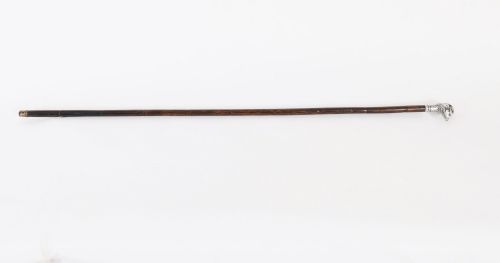
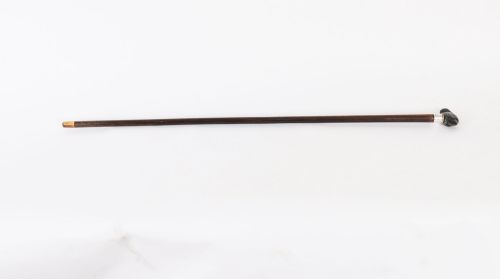
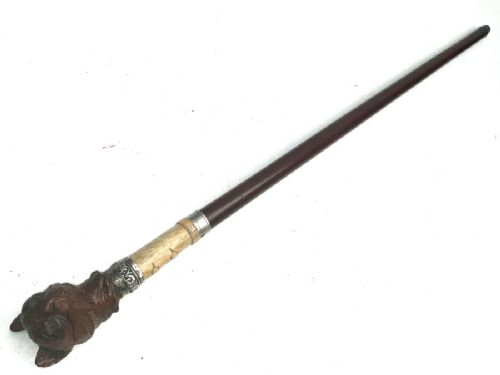
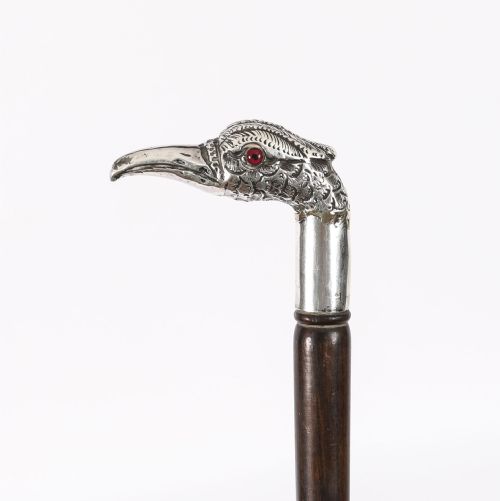
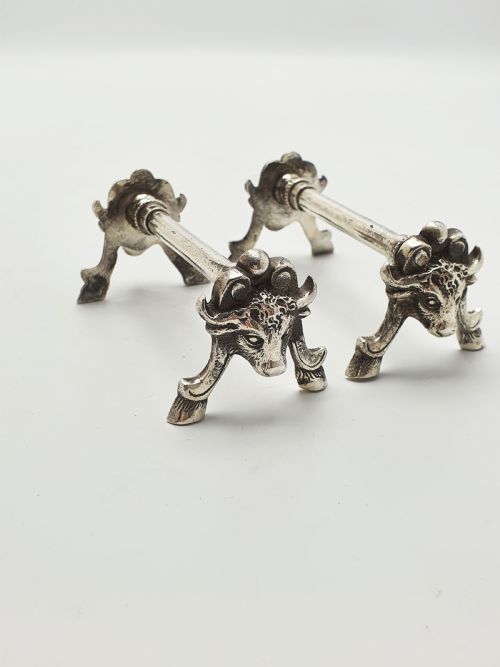
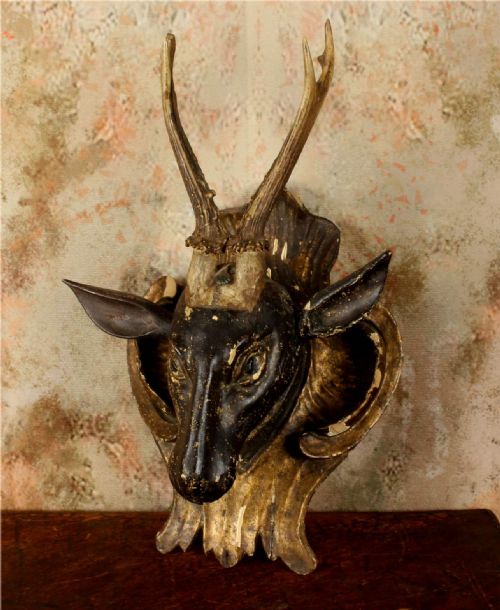
Walking stick handles fashioned as silver ducks, greyhounds, pheasants, boars and hares appear frequently alongside Black Forest carved wood items. Wall masks, inkwells and knife rests also populate the category, drawing on nineteenth century and early twentieth century origins.
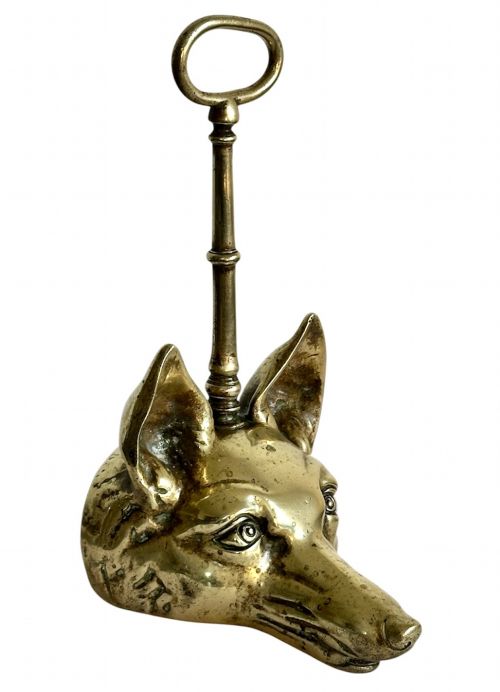
Folk art carvings and taxidermy specimens stand out among the pieces, reflecting both domestic Victorian utility and continental craftsmanship. The range covers carved walnut tiger heads, brass fox doorstops, and mounted animal horns.
Materials and construction methods
Taxidermy mounts and horn specimens utilise preserved organic material paired with wooden shields or metal fittings. Brass and cast iron serve as durable mediums for doorstops, desk items and fountain heads, shaped through casting and repoussé techniques.
Antique Animal Head Retail Price Guide 2026
Typical asking prices for animal head among the pieces listed under this phrase on Sellingantiques today, from the lower quarter to the upper quarter. They describe what is for sale here now, not the wider market.
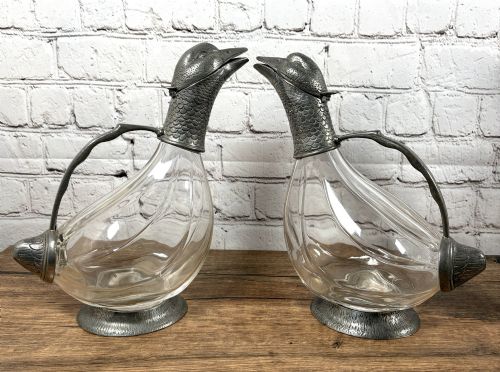
Materials across the listings include glass, silver, wood, brass, horn, oak, walnut and hardwood.
Distinctions in quality
The degree of anatomical realism and sculptural expression separates standard items from exceptional examples. Finer carvings display expressive detailing in the fur, eyes and bone structure of the creature, whereas simpler pieces show coarser tooling.
The integrity of the material and the reputation of the maker influence the standing of a piece. Works associated with known taxidermy firms or skilled silversmiths command attention through superior preservation and precise execution.
Peter Spicer and Sons·Edward Gerrard and Sons·Ilias Lalaounis
The Antique Animal Head Glossary
- Black Forest
- A style of wood carving originating from the Swiss and German regions near the Black Forest, typically rendered in walnut or lime wood. These pieces often depict woodland animals with realistic textures.
- Taxidermy mount
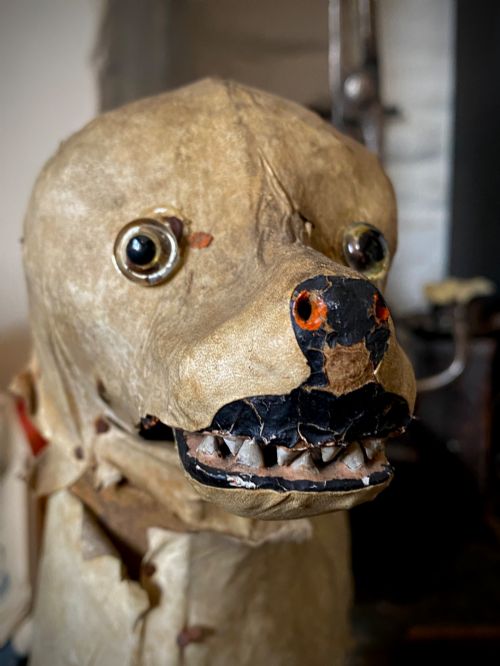
- The art of preparing, stuffing and mounting the skin of animals for display. Victorian examples often include mammal heads and horns mounted on carved wooden shields.
- Repoussé
- A metalworking technique where an artisan hammers metal from the reverse side to create a raised design on the front. This method appears on brass planters and decorative vessels featuring animal motifs.
- Novelty walking stick
- A cane featuring a handle shaped into a figurative subject, such as a parrot, hound or duck. Many incorporate silver tops or hidden compartments.
- Salt glaze trough
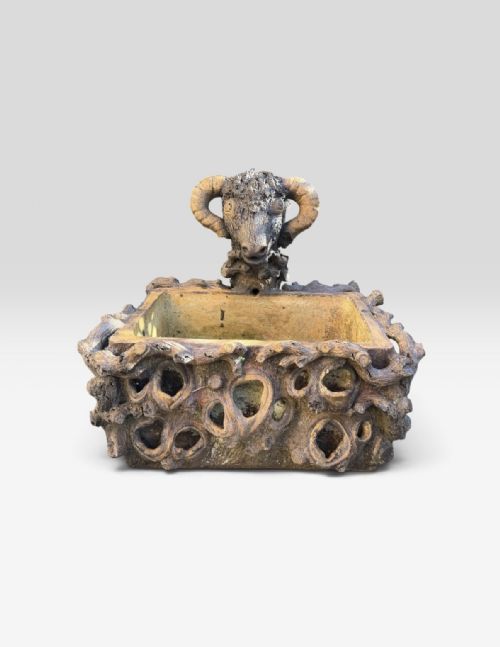
- A ceramic vessel finished with a glassy glaze created by throwing salt into the kiln during firing. These pieces reflect domestic utility from the nineteenth century.
Antique Animal Head: Frequently Asked Questions
What periods do these pieces come from?
The listings span the nineteenth century and the early decades of the twentieth century, with Victorian and Edwardian examples appearing regularly. Pieces from the 1880s through to the 1930s represent the core of the selection.
Craftsmanship from this timeframe reflects both British workshop production and continental European traditions, particularly from France, Germany and Italy.
How were walking sticks with animal handles used?
Gentlemen and ladies carried these canes as daily accessories during the Victorian and Edwardian eras. The handles served as functional handgrips shaped to fit the palm while adding decorative flair.
Some specialised canes also functioned as sword sticks, concealing a blade within the shaft beneath the animal head handle.
How do I care for wooden carvings?
Wooden items such as Black Forest wall masks and inkwells benefit from a stable indoor environment away from direct sunlight and sudden temperature shifts. Dusting with a soft, dry cloth preserves the finish of the carved walnut and oak.
Avoid applying modern liquid polishes or moisture directly to antique wood surfaces, as these can damage the original patina.
What materials are common in these objects?
Wood, silver, brass and glass dominate the category, alongside taxidermy specimens and animal horns. Walnut and oak appear frequently in wall carvings and desk accessories, while silver is common on cane handles and snuff boxes.
Cast iron and brass serve as sturdy materials for doorstops and fountain heads, while horn and glass lend themselves to novelty inkwells and decorative ornaments.