



Antique Animal Engravings
Antique animal engravings capture wildlife and domestic subjects through fine printed lines, offering collectors remarkable historic draughtsmanship for interior display.
Antique Animal Engravings
When you search for antique animal engravings, you encounter printed depictions of creatures spanning domestic dogs, farm cattle, and wild jungle beasts. These works capture nature across centuries, reflecting the changing ways artists recorded animals before modern photography.
The pieces listed here predominantly take the form of framed prints, etchings, and wall art. They include works from the eighteenth, nineteenth, and early twentieth centuries, presented in period framing.
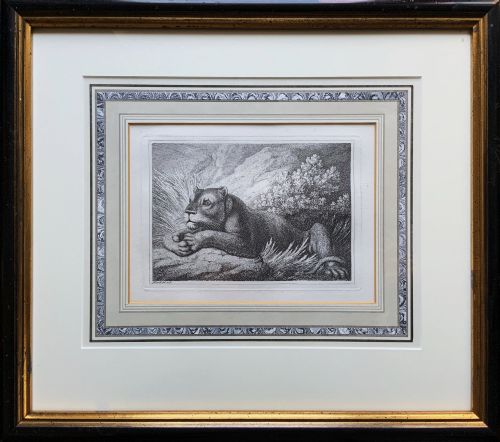
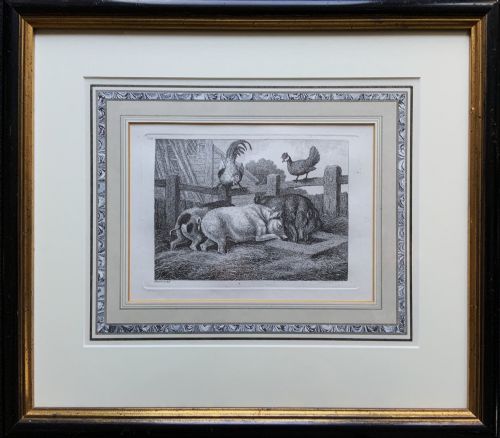
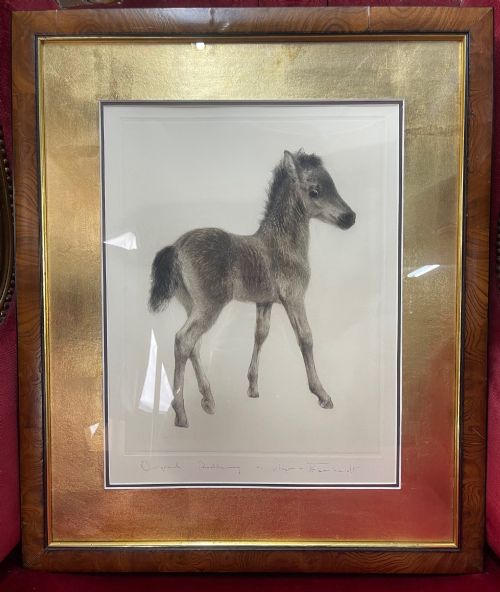
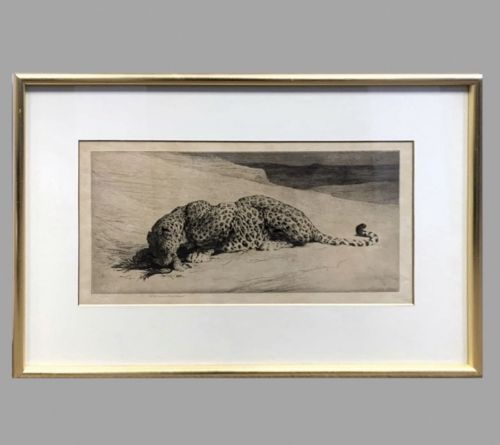
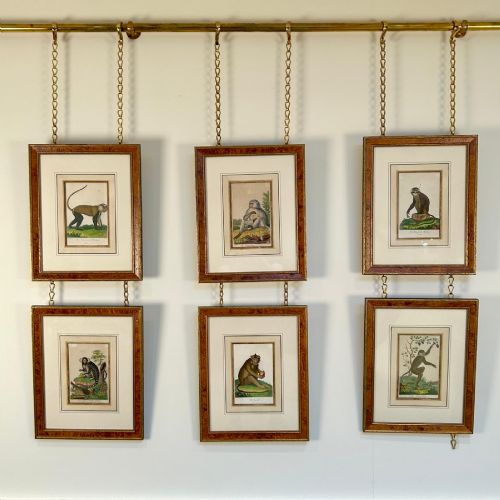
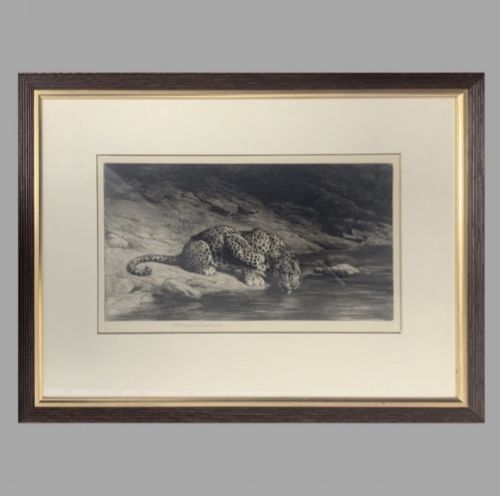
You meet diverse subjects on this page, from hand-coloured monkey studies and nineteenth-century bulldog portraits to large wild cats rendered by prominent printmakers. Each piece brings a distinct historical perspective on human observation of the natural world.
How they were made
Makers produced these works using paper sheets impressed with inked plates, utilising techniques such as standard engraving, etching, and drypoint. Artists carved or scratched their designs into metal plates before transferring the ink under pressure.
Certain plates received delicate hand-colouring after printing, adding hues to subjects like monkeys or cattle. Finished works found protection behind glass within wooden frames, frequently incorporating materials like oak, burr wood, and gold leaf.
Antique Animal Engravings Retail Price Guide 2026
Typical asking prices for animal engravings among the pieces listed under this phrase on Sellingantiques today, from the lower quarter to the upper quarter. They describe what is for sale here now, not the wider market.
Expect fierce big cats sharing wall space with earnest Victorian bull bitches and hand-coloured monkeys.
What varies in quality
The fineness of the printed line and the crispness of the impression separate individual plates, determining how clearly the artist's original draughtsmanship survives. Stronger impressions preserve subtle tonal gradations in fur, shadow, and background detail.
The presence of artist signatures, pencil inscriptions, and limited edition proofs distinguishes standard published plates from more exclusive works. Original framing materials, overall sheet preservation, and the clarity of early hand-colouring further influence the standing of each piece.
Herbert Dicksee·Kurt Meyer Eberhardt·Buffon·Landseer·H Strafford
The Antique Animal Engravings Glossary
- Engraving
- A printmaking technique where an artist cuts lines directly into a metal plate with a sharp tool called a burin. The resulting incisions hold the ink that transfers to paper under pressure.
- Etching
- A process where acid bites the design into a metal plate through a protective wax ground. This method allows for fluid, expressive lines resembling freehand drawing.
- Drypoint
- A printmaking method where the artist scratches directly into the metal plate with a hard needle, raising a rough ridge of metal called burr. This burr catches ink during printing to create a soft, velvety line.
- Artist Proof
- An impression printed for the artist's personal review, typically pulled before the main edition. These early proofs often command greater interest among collectors due to their exceptional clarity.
- Hand-coloured
- A finished print enhanced with watercolours or washes applied by hand after the printing process. This technique was common in natural history plates to render realistic animal markings.
Antique Animal Engravings: Frequently Asked Questions
What subjects appear in these engravings?
These works depict a wide variety of animals, ranging from domestic dogs and farm cattle to exotic wildlife like lions, leopards, and hippopotamuses. Artists captured these creatures in detailed studies, natural histories, and expressive portraits.
Subjects reflect both domestic attachments and broader scientific or artistic interest in the natural world during the Georgian, Victorian, and Edwardian eras.
How should I hang these prints?
Framed engravings require placement away from direct sunlight to protect the paper and any hand-applied watercolours from fading over time. Stable indoor humidity also helps preserve the paper and wooden frames.
Displaying them at eye level allows viewers to appreciate the fine line work and intricate details typical of early printmaking techniques.
How do I identify the period?
Stylistic clues, framing materials, and printing techniques help indicate the age of an engraving. Georgian and Victorian works often feature distinct paper types, hand-colouring styles, and period wooden mouldings.
Signatures, publisher inscriptions, and dated plates found on works from the nineteenth and early twentieth centuries provide direct chronological markers.
What is a drypoint etching?
Drypoint is a printmaking method where the artist scratches the image directly into a metal plate using a sharp needle. Unlike standard engraving, this technique pushes up a small ridge of metal called a burr.
When inked, this burr produces a distinctive soft, velvety line quality that distinguishes drypoint prints from sharper, cleaner line engravings.