



Antique Angel Statue
An antique angel statue brings centuries of devotion, mythology and artistry into a room, offering everything from solemn wooden guardians to playful stone cherubs.
Antique Angel Statue
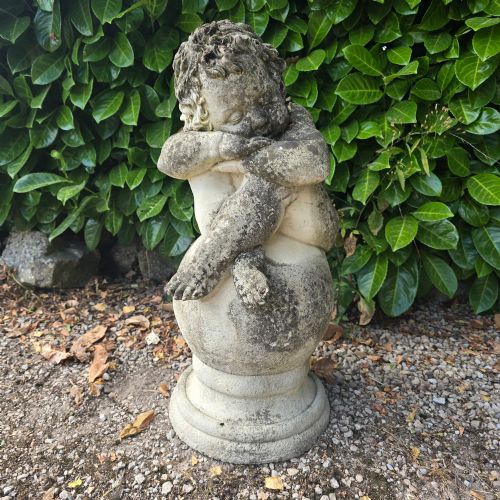
When you search for an antique angel statue, you enter a diverse field spanning domestic altars, grand tour collections and formal gardens. The selection here ranges from intimate eighteenth-century wooden putti to nineteenth-century Italian altar figures and weather-worn stone garden cherubs.
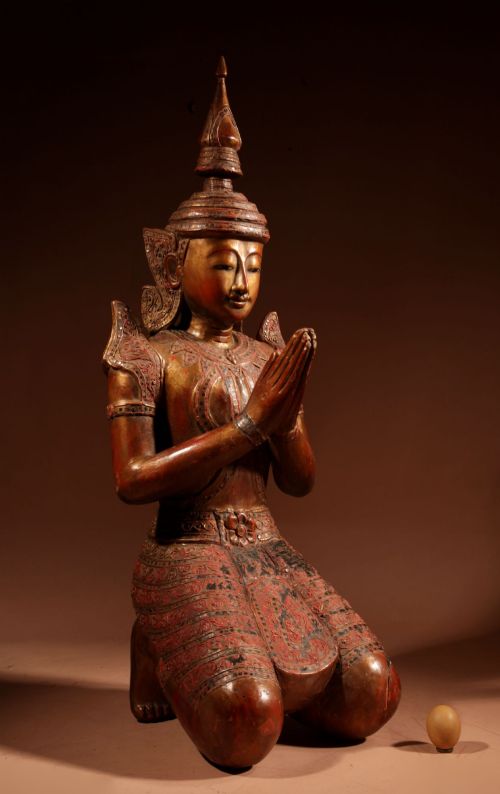
The material evidence on this page demonstrates a wide geographical and chronological spread, including Thai guardian figures, French Renaissance wood fragments and seventeenth-century carved oak angels kneeling on clouds. Buyers meet both indoor devotional art and classical garden ornaments from periods stretching from the sixteenth century to the mid-twentieth century.
Materials and carving techniques
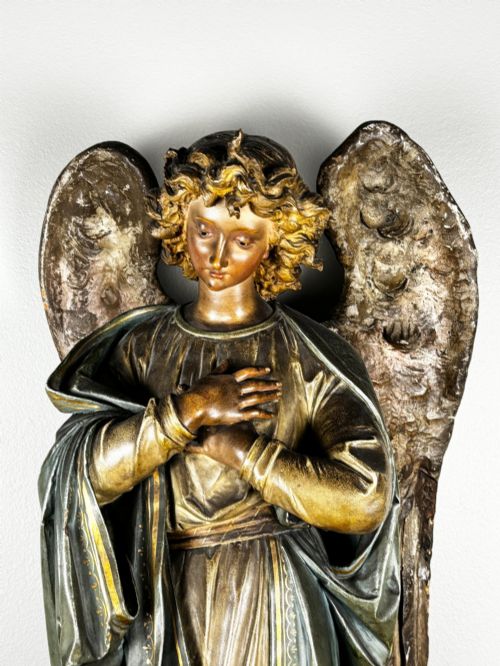
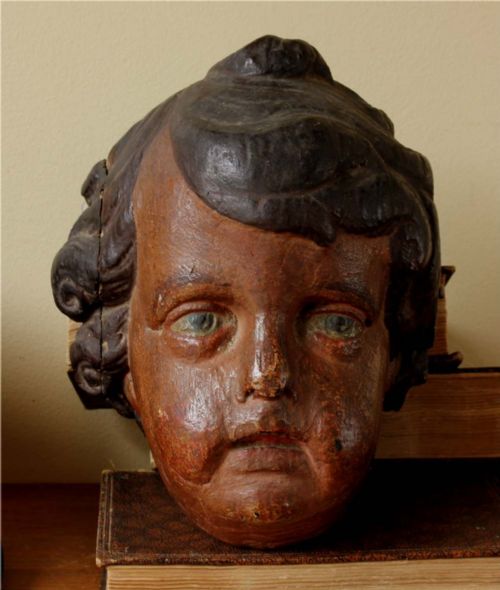
Carved wood forms the backbone of these pieces, frequently enhanced with gesso, gold leaf or polychrome paint to accentuate drapery, wings and facial expressions. Skilled hands shaped oak, pine and other timbers into intricate figures of saints, cherubs and winged guardians.
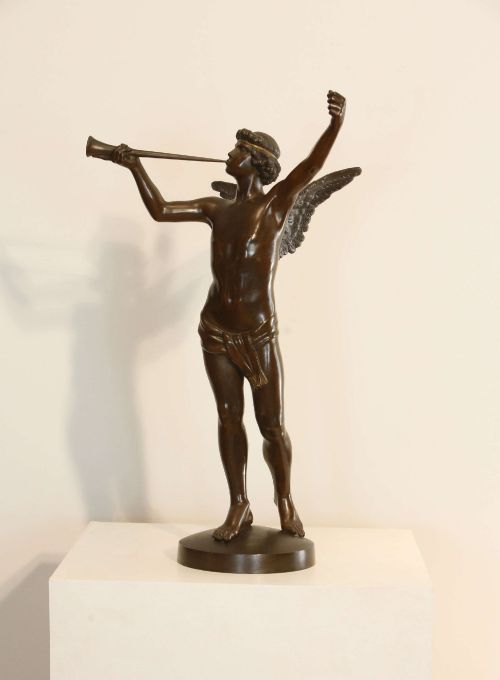
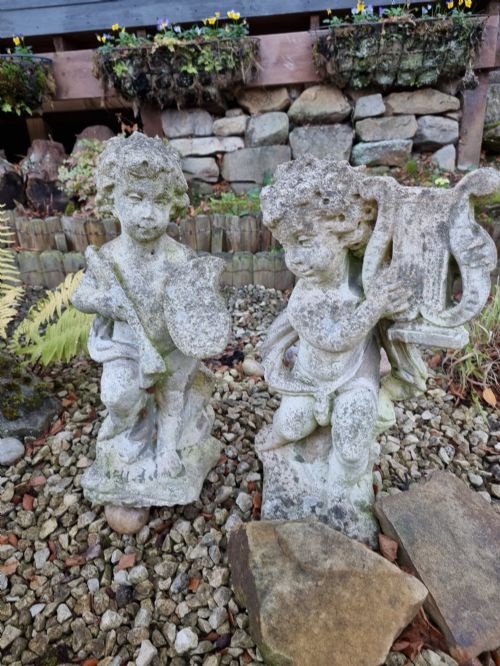
Bronze casting and marble carving appear alongside wood, particularly in nineteenth-century interpretations of mythological figures like Cupid. Reconstituted stone also provides durable mediums for garden statuary designed to weather the elements over decades.
Antique Angel Statue Retail Price Guide 2026
Typical asking prices for angel statue among the pieces listed under this phrase on Sellingantiques today, from the lower quarter to the upper quarter. They describe what is for sale here now, not the wider market.
Sleeping cherubs prove that even heavenly messengers occasionally need a quiet afternoon off.
Assessing sculptural quality and condition
The distinction between ordinary workshop output and finer sculptural work rests on the anatomical precision of the carving, the liveliness of the expression and the preservation of original surface treatments. Finer pieces retain crisp chisel marks, subtle polychrome details or authentic patination developed through age.
Fragments and weathered garden pieces hold distinct appeal, where surface erosion or the loss of polychrome layers changes the character of the object without diminishing its historical presence. Buyers weigh the integrity of original gilding and paint against the honest wear of centuries.
Louis Auguste Moreau
The Antique Angel Statue Glossary
- Putti
- Plural of putto, representing a chubby male child, often winged, derived from classical art and frequently seen in Baroque religious sculpture.
- Polychrome
- Decoration applied in several colours to the surface of wood, stone or plaster sculptures to create lifelike skin tones and garments.
- Gesso
- A plaster mix applied to wooden carvings as a smooth base for subsequent gilding with gold leaf or painting.
- Grand Tour
- A cultural journey of Europe undertaken by wealthy young men in the eighteenth and nineteenth centuries, acquiring statues and busts.
- Gilt
- Covered thinly with gold leaf or gold paint to give a lustrous metallic finish to wooden or bronze surfaces.
Antique Angel Statue: Frequently Asked Questions
What is an antique angel statue made of?
The materials vary widely depending on whether the piece was intended for indoor devotion or outdoor display. Listings include carved wood finished with gesso, gold leaf and polychrome paint, alongside cast bronze, marble and reconstituted stone.
Wooden figures often date from earlier centuries such as the seventeenth and eighteenth, while bronze and stone examples frequently emerge from nineteenth-century workshops and grand tour collections.
How do I care for a wooden angel statue?
Wooden sculptures require stable indoor environments away from direct sunlight and sudden humidity fluctuations to protect fragile gesso, paint and gold leaf layers. Gentle dusting with a dry, soft brush preserves the delicate surface without disturbing historic finishes.
Outdoor stone or reconstituted garden statues need protection from severe frost and biological growth to prevent surface degradation over time.
Are these figures religious or decorative?
They serve both functions across different periods, originating as sacred church fragments, domestic altar figures, or secular garden ornaments and mythological representations. Eighteenth-century polychrome putti and French Renaissance saints reflect devout religious contexts, while nineteenth-century bronzes of Cupid and garden cherubs lean towards classical decoration.
Buyers often select them for their artistic presence and historical atmosphere rather than strict devotional use.
How can I tell the age of a carved angel?
Dating relies on tool marks, timber shrinkage, the composition of gesso and paint layers, and stylistic characteristics specific to periods like the Baroque or French Renaissance. Seventeenth and eighteenth-century pieces typically show hand-carved grain patterns and patination that differ markedly from later twentieth-century garden statuary.
Comparing the form and material to established historical examples helps clarify the likely era of origin.