


Antique Ancestral Portraits
Antique ancestral portraits carry family lineages onto canvas and silk, offering character and history to any room.
Antique Ancestral Portraits
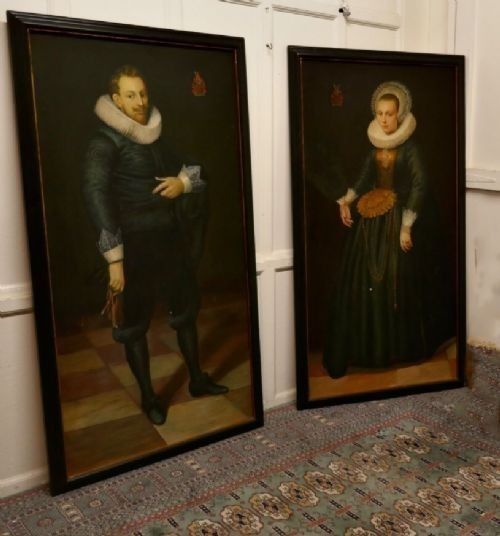
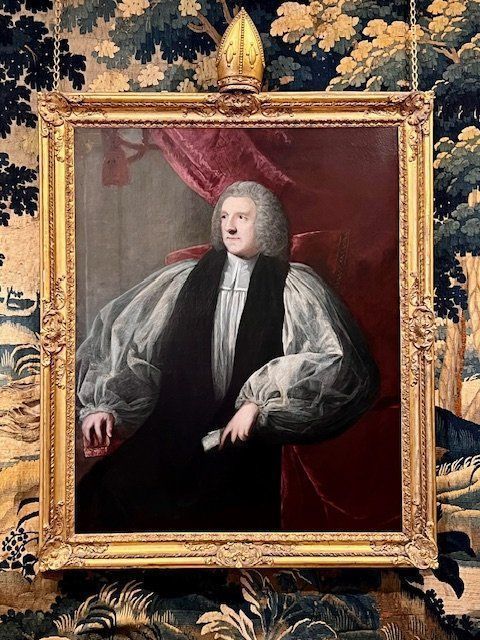
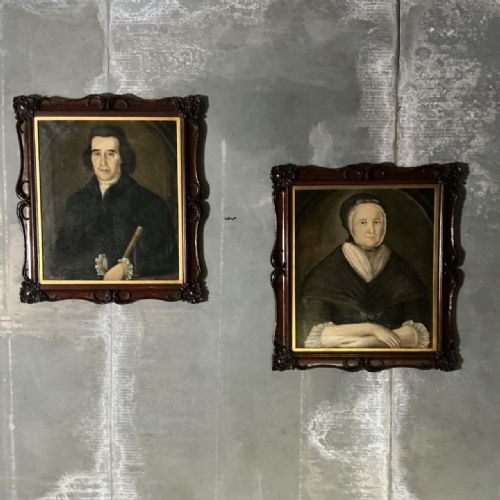
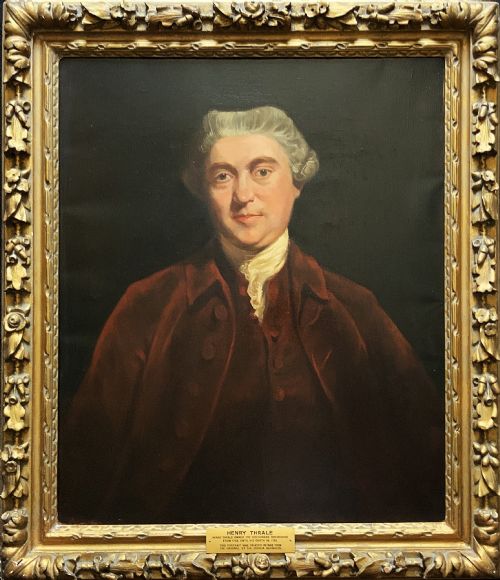
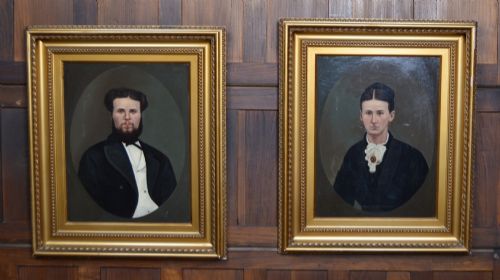
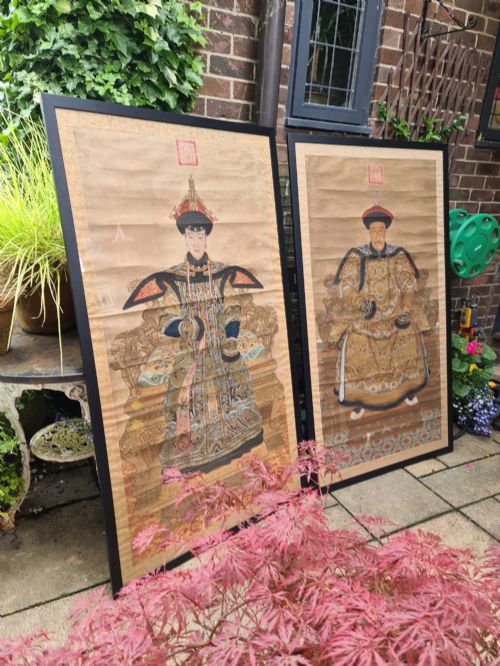
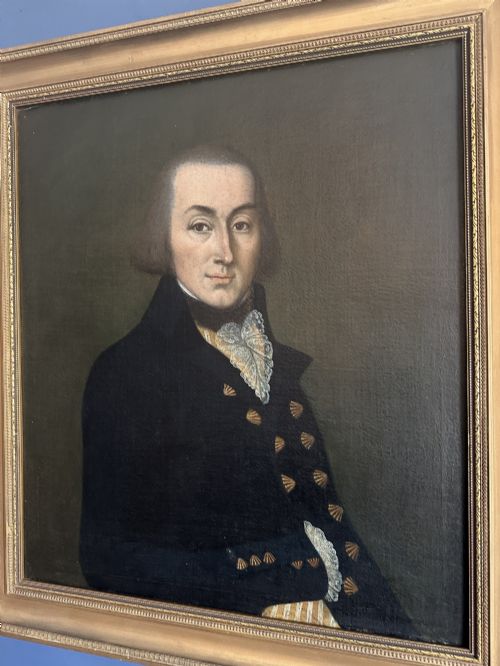
Antique ancestral portraits encompass formal oil paintings on canvas and framed Chinese ancestral scrolls depicting forebears from past centuries. These works span periods from the seventeenth century through the Edwardian era, with nineteenth-century examples and Regency pairs appearing frequently.
The subjects range from British gentlemen and ladies to Scottish subjects and Chinese ancestor groups, often housed in original giltwood or gesso frames. Buyers encounter both individual canvases and matched pairs intended to hang together as a pair.
Whether executed by named British painters or anonymous schools, antique ancestral portraits serve as historic focal points that anchor a room with a distinct sense of lineage.
Materials and Construction
The physical build relies on oil paint applied to woven canvas substrates, stretched over wooden frames and secured within decorative surrounds of giltwood and gesso. Chinese ancestral scrolls utilise traditional pigments on silk or paper mounted within hanging frames.
Gold leaf gilding frequently highlights the wooden frames, providing a reflective border that contrasts with the darker tones of oil paint. Artisans constructed these frames using traditional joinery appropriate to the period, from Georgian mouldings to later Victorian interpretations.
Sir Joshua Reynolds recorded sitters in his studio ledger alongside the exact fees charged for their portraits.
Judging Quality and Execution
The skill of the brushwork and the psychological depth of the sitter distinguish superior examples from ordinary production. Master painters capture skin tones, textiles, and facial expressions with convincing weight, whereas lesser works remain stiff and formulaic.
The preservation of the original canvas and the survival of matching period frames heavily influence the desirability of a portrait. Unrestored surfaces retaining their initial varnish layers carry greater integrity than heavily overpainted canvases.
Sir Joshua Reynolds·Thomas Beach·Michael Dahl
The Antique Ancestral Portraits Glossary
- Giltwood
- Wood carved and covered with a thin layer of gold leaf. This material defines the ornate frames associated with British portraits.
- Gesso
- A plaster-like mixture applied to wood frames as a base for gilding. Artisans carved intricate decorative motifs into this substance before applying gold leaf.
- Oil on Canvas
- Pigment mixed with drying oil applied to a woven fabric support. This medium allowed artists to achieve rich colour depths and subtle blending.
- Regency
- The stylistic period spanning the early nineteenth century. Furniture and frames from this era often feature clean neoclassical lines.
- Chinese Ancestral Scroll
- A hanging scroll created to honour family forebears. These works hold cultural significance and utilise distinct pigments compared to European oils.
Antique Ancestral Portraits: Frequently Asked Questions
How do I hang heavy oil portraits?
Heavy oil portraits require secure wall fixings, typically screwed directly into wooden studs or masonry using appropriate wall plugs. Using dual hanging points distributes the substantial weight of large giltwood frames safely.
Position the centre of the canvas at roughly eye level to ensure the sitter's gaze engages viewers naturally within the room.
How do I identify the period of a portrait?
The sitter's clothing, hairstyle, and collar shape offer the most reliable clues to the decade in which the portrait was painted. Frame styles also shift across eras, moving from simple seventeenth-century mouldings to elaborate Victorian giltwood.
Examining the canvas weave, stretcher construction, and any inscriptions on the reverse provides additional chronological context.
Where should I place ancestral portraits?
These works suit traditional reception rooms, dining rooms, and hallways where formal decor complements their historic presence. Grouping pairs or matching subjects creates a balanced display on large wall spaces.
Keep portraits away from direct sunlight, damp walls, and heat sources to protect the canvas and wood framing from warping or fading.