
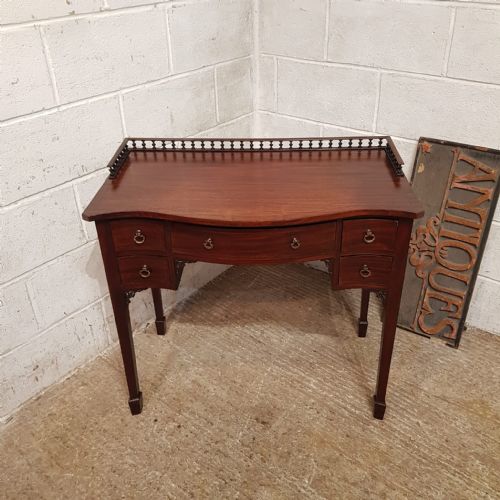
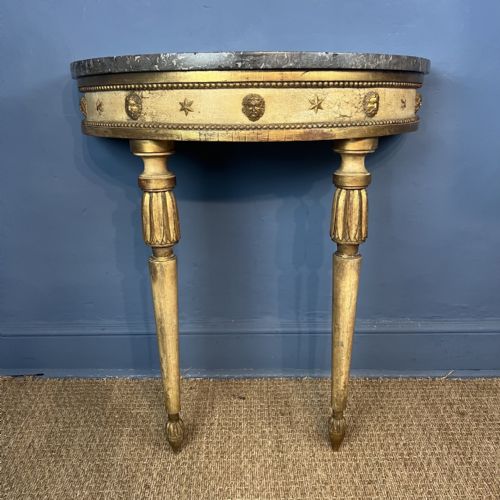


Antique an Console Table
An antique an console table brings architectural grace to a hallway or drawing room, anchoring the space with period craftsmanship and practical surface area.
Antique an Console Table
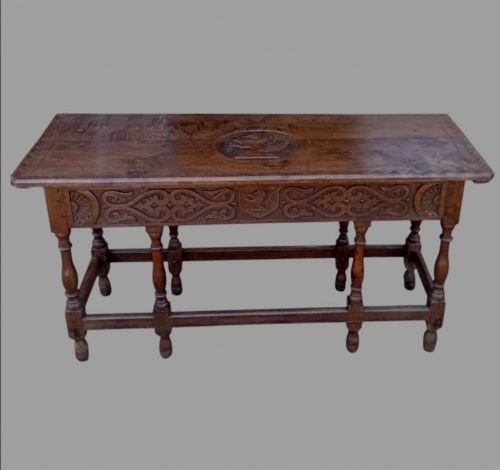
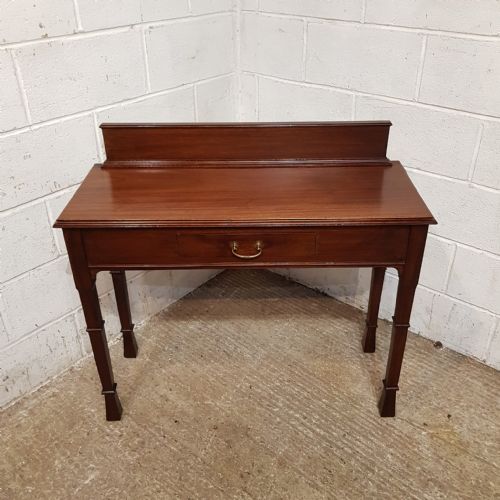
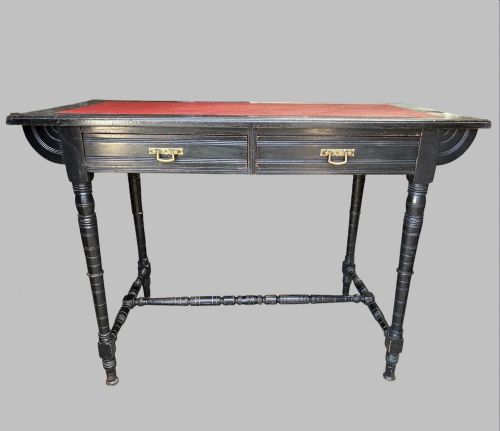
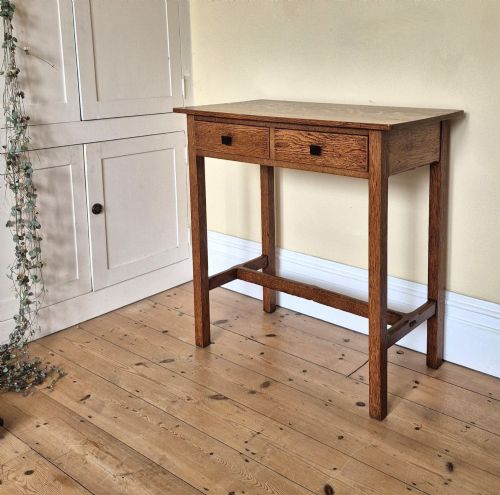
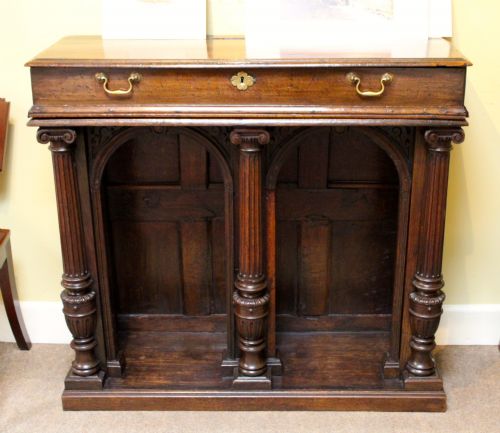
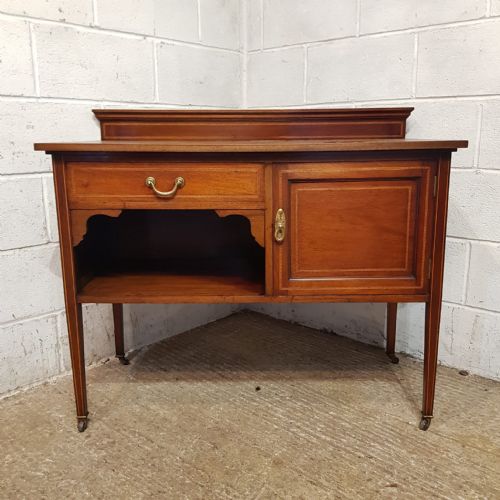
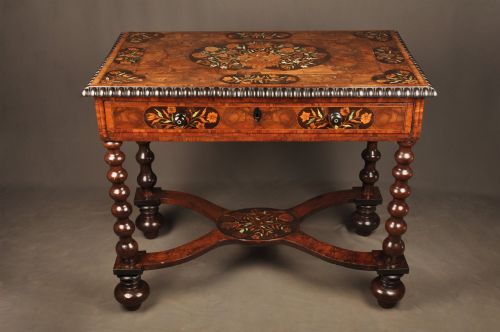
When searching for an antique an console table, buyers encounter forms designed historically to stand against a wall, frequently accompanied by related side tables, serving tables, and writing desks. These pieces span periods from the eighteenth century through the Edwardian era, reflecting shifting domestic habits and formal interior design.
The materials utilised range from solid mahogany and oak to decorative surfaces of marble, satinwood, and ebonised wood. Regional variations include Italian Neoclassical faux porphyry, Dutch Baroque elements, and Regency designs from British and continental workshops.
Forms vary from serpentine-fronted writing tables to demi-lune console tables and metamorphic hall tables. Buyers often meet Edwardian mahogany pieces alongside earlier Georgian and Victorian examples.
How they were made
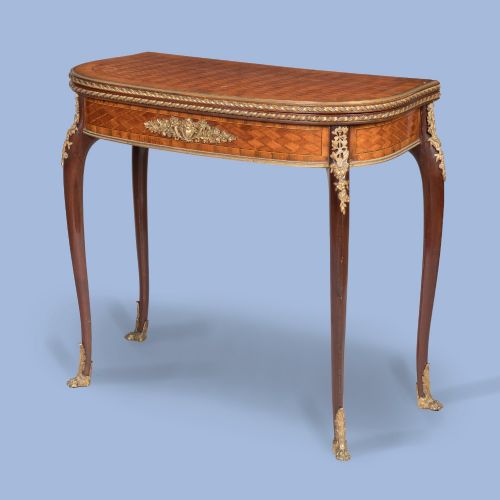
Cabinetmakers constructed these tables using dense timbers such as mahogany, oak, and walnut, frequently applying marquetry, parquetry, and satinwood veneers to create geometric or floral patterns on the surface. Ebonised wood and painted finishes provided alternative textures for specific stylistic movements.
Mounts in ormolu added metallic highlights to parquetry card tables and console tables, while marble and faux porphyry tops introduced stone surfaces capable of bearing heavier decorative objects. Joinery methods relied on traditional cabinet techniques suited to each period, from eighteenth-century carvers to Edwardian makers.
Listings feature mahogany, oak, walnut, satinwood, and marble across periods spanning the seventeenth century to the Edwardian era.
What varies in quality
The distinction between standard domestic furniture and the finest examples rests on the ambition of the design and the precision of the timber selection. Figured mahogany, intricate marquetry work, and integral ormolu mounts elevate specific pieces above simpler utility tables.
The integrity of the construction, the handling of carved details, and the survival of original stone or timber tops dictate the standing of a piece within its period. Later reconfigurations or altered elements differentiate workshop-standard items from fully preserved works.
Hubert Simpson of Kendal·François Linke·Mack Williams and Gibton
The Antique an Console Table Glossary
- Console table
- A table designed to stand against a wall, frequently supported by brackets or legs at the front. These pieces often feature marble or decorative wood tops.
- Parquetry
- A geometric mosaic of wood pieces used for decorative floors and furniture tops. It appears on various card and console tables.
- Ormolu
- Gilt bronze mounts applied to furniture. This technique enhanced formal tables during the eighteenth and nineteenth centuries.
- Demi-lune
- Half-moon shape in plan. This profile characterises specific console and side tables designed to fit closely against walls.
- Faux porphyry
- A painted or treated surface imitating the purple-red igneous rock used in antiquity. It appears on neoclassical furniture.
Antique an Console Table: Frequently Asked Questions
Where should a console table go?
These tables sit flat against a wall in hallways, reception rooms, or dining spaces where floor space is limited. Their narrow profile provides a surface for lighting and decorative objects without blocking movement.
Historically, larger examples served dining rooms as serving tables, while smaller demi-lune versions stood beneath mirrors in entrance halls.
How do I identify the period?
Dating relies on timber choice, construction methods, and stylistic cues such as neoclassical motifs or Edwardian stringing. Oak and walnut predominate in earlier pieces, while mahogany and satinwood appear across Georgian, Regency, and later eras.
Secondary woods inside drawers and the style of the joinery offer further clues to the decade of manufacture.
Can I use an antique table daily?
Most of these pieces served practical domestic roles originally, from writing desks to card tables and washstands. Their robust timber construction suits them for continued everyday use in modern homes.
Care should be taken with polished wood surfaces and marble tops by using coasters and avoiding excessive moisture.
What is the difference between a console and side table?
Console tables historically fastened to a wall or stood with front legs relying on wall fixings for stability. Side tables possess four independent legs and stand freely.
Over time, the terms have often merged in descriptions, though profile and wall dependency remain key distinctions.