

Antique Amber Glass
When you handle antique amber glass, you hold deep honey tones shaped by Victorian, Edwardian, and Art Deco hands into vessels and lamps.
Antique Amber Glass
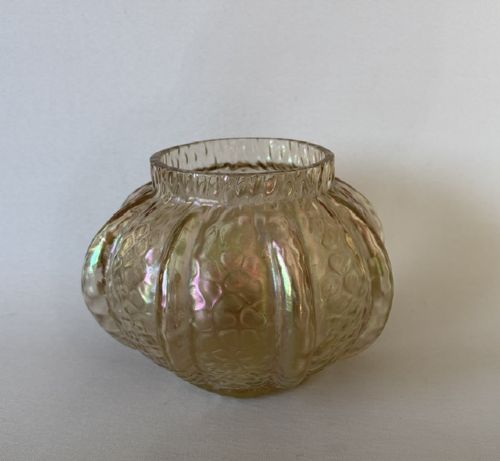
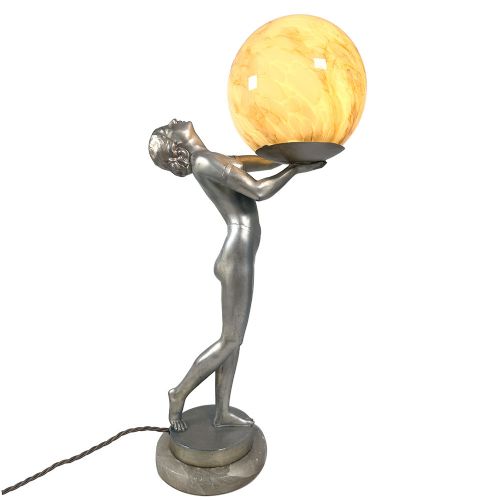
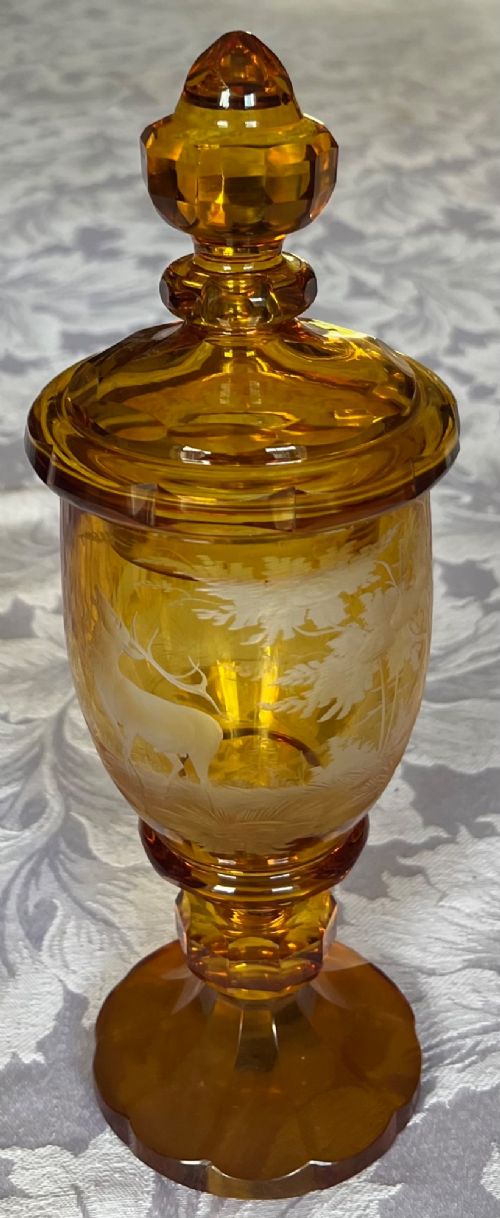
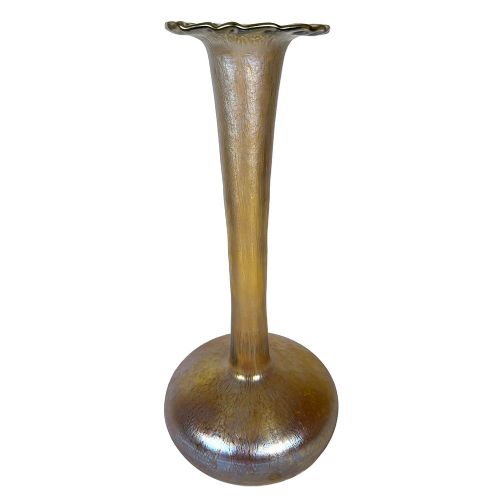
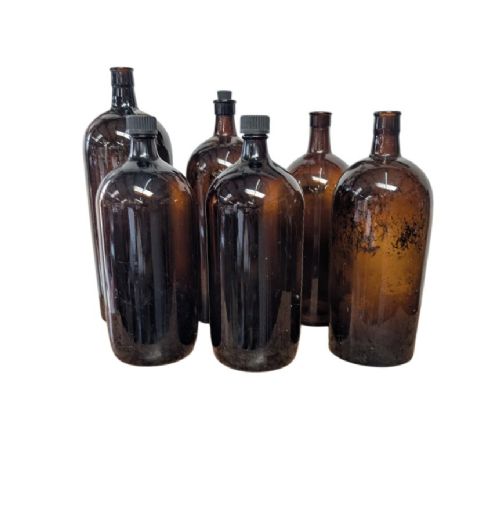
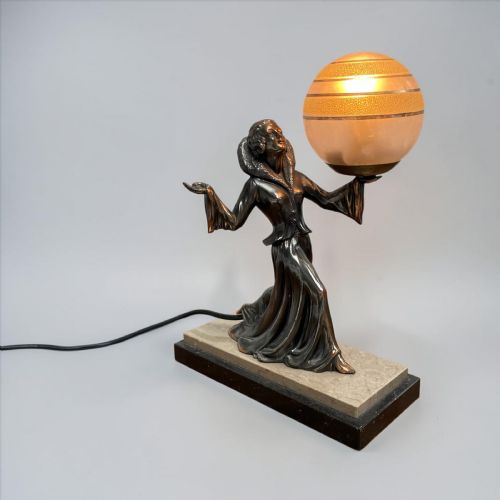
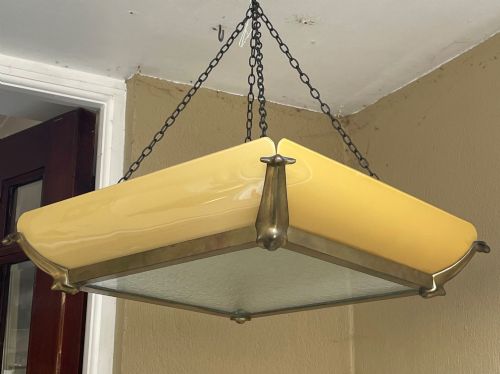
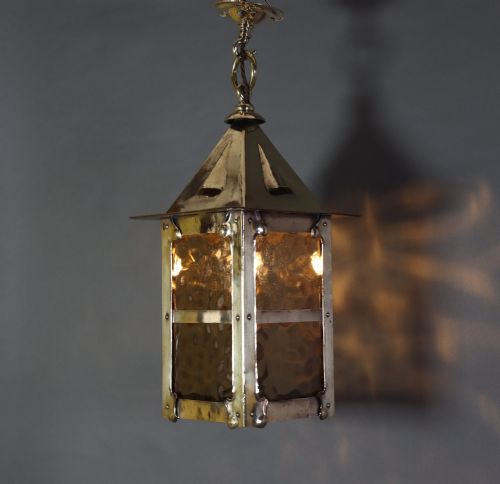
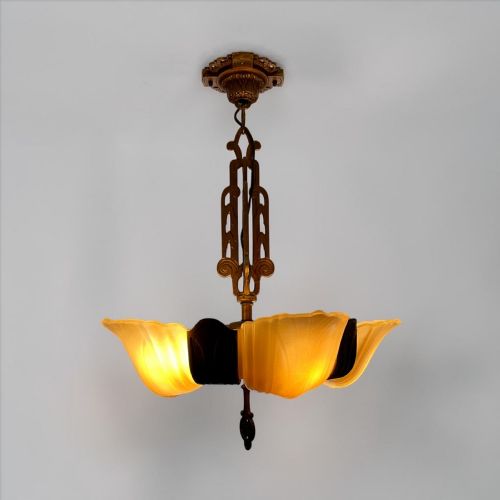
When buyers search for antique amber glass, they find a varied range of decorative items, lighting, and functional wares spanning the nineteenth and early twentieth centuries. The pieces on this page appear in forms such as vases, scent bottles, apothecary jars, and lighting fixtures like chandeliers and pendants.
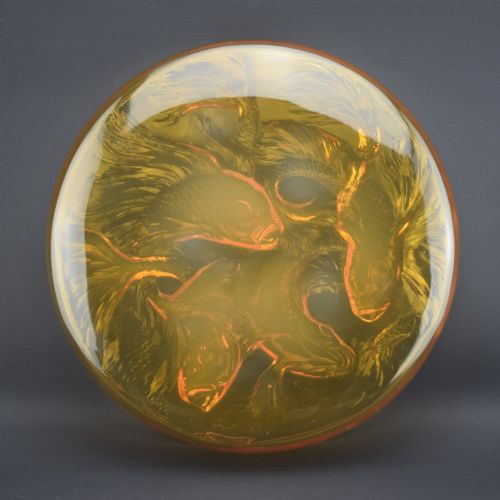
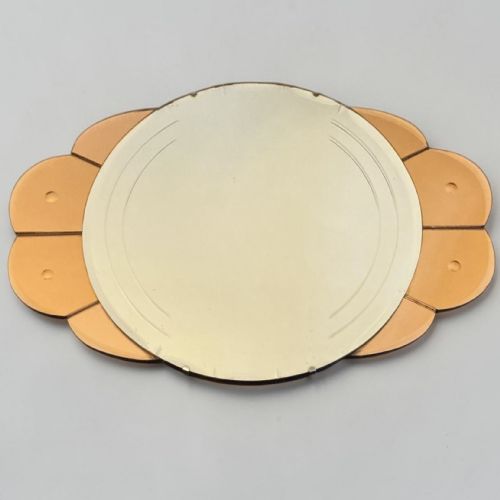
The selection reflects distinct design movements, with items attributable to periods from Victorian and Edwardian times through to Art Nouveau and Art Deco. These objects originate from European workshops and makers, utilising the warm brown and golden hues characteristic of the material.
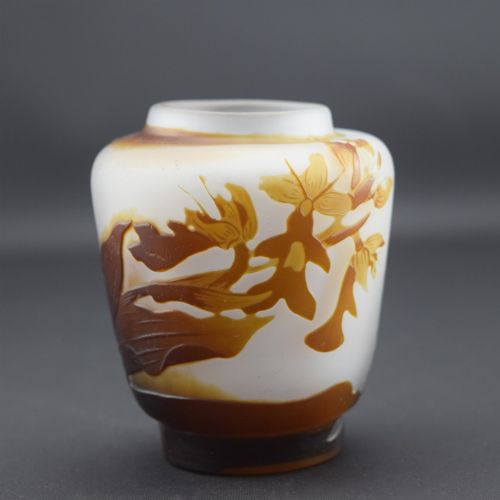
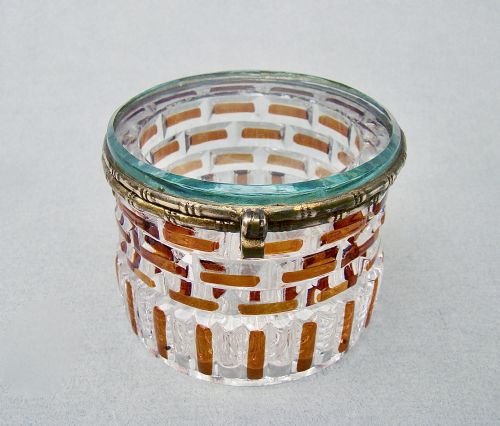
Vessels range from small cabinet pieces like cameo glass vases and scent bottles to larger lighting installations. Apothecary jars and bonbon dishes represent the more utilitarian end of the domestic items found within these dates.
Materials and Technique
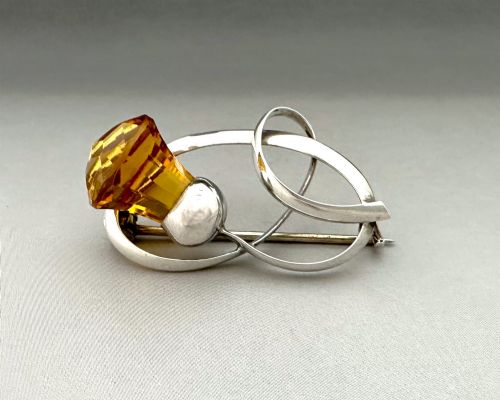
The objects recorded here combine glass with mounting materials such as brass, copper, spelter, and silver, often utilising techniques like acid-etching, frosting, and enamelling. Glass makers achieved the characteristic warm tones through specific mineral additions during the melting process, producing shades from pale honey to dark brown.
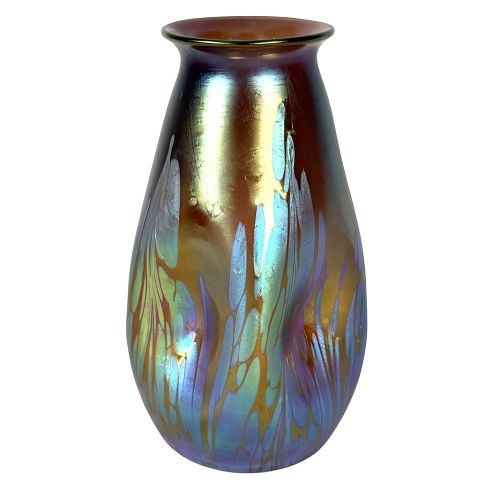
Advanced decorative treatments include cameo carving, where layers of different coloured glass are cut away to reveal a design, and iridescent finishes that create a shimmering metallic sheen on the surface. Metalwork frames, chains, and mounts are frequently integrated into lamps, lanterns, and scent bottles to support and display the glass components.
Antique Amber Glass Retail Price Guide 2026
Typical asking prices for amber glass among the pieces listed under this phrase on Sellingantiques today, from the lower quarter to the upper quarter. They describe what is for sale here now, not the wider market.
Materials paired with the glass include brass, silver, copper, enamel, and carved hardstone.
Distinctions in Quality
Quality in these pieces rests upon the precision of the glassmaker's hand and the integration of decorative techniques. Pieces featuring layered cameo carving or complex iridescence demonstrate a higher degree of technical skill than plain blown vessels.
The refinement of accompanying metal mounts, whether cast brass, silver, or wrought iron, elevates the standing of an object. Harmony between the glass body and its setting separates standard production items from finer studio and factory output.
Galle·Loetz·R Lalique·Kralik Glass·Daum Freres·Henry Perkins·Baccarat·Moser
The Antique Amber Glass Glossary
- Cameo glass
- A technique involving the fusion of two or more layers of glass of different colours, which are then carved or acid-etched to create a raised design. This method requires considerable skill to achieve depth and contrast.
- Iridescent glass
- Glass treated with metallic salts while hot to produce a rainbow-like sheen on the surface. This finish became particularly popular during the Art Nouveau period.
- Roemer
- A traditional continental European drinking vessel, usually made of green or amber glass, featuring a wide bowl and a coiled foot. The design has roots in Germanic glassmaking traditions.
- Apothecary jar
- A vessel originally used by chemists and pharmacists to store dried herbs, liquids, or medicines. These often feature heavy glass stoppers and labels.
Antique Amber Glass: Frequently Asked Questions
What is antique amber glass?
Antique amber glass encompasses decorative vessels, lighting, and tableware produced in brown and golden-yellow shades during the Victorian, Edwardian, and Art Deco eras. Makers utilised various techniques to colour and shape the material into functional and ornamental objects.
Items range from small scent bottles and apothecary jars to large iridescent vases and chandeliers. The hue results from specific mineral compounds added to the glass batch during production.
How do I date antique glass?
Dating relies upon stylistic markers, manufacturing techniques, and identifiable signatures or marks left by makers and factories. Art Nouveau pieces often display organic motifs and iridescent finishes, whereas Art Deco items feature geometric lines and stylised mounts.
Examining the base for pontil marks, wear patterns, and the type of glass composition helps establish the period of manufacture. Documented makers provide more precise chronological markers.
Where were these pieces made?
The pieces originate from various European centres of glass production, including workshops and factories in France, Germany, Bohemia, Italy, and Britain. Each region developed distinct specialities, from Bohemian iridescent wares to French cameo glass.
Imported items often reflect the trade patterns and aesthetic tastes of the late nineteenth and early twentieth centuries. Local metalworkers frequently added mounts and fittings in Britain and America.
How do I care for antique glass?
Care requires gentle hand washing in lukewarm water using mild detergent, avoiding harsh abrasives or sudden temperature changes that can stress the material. Metal mounts and fitted hardware should be kept dry to prevent corrosion.
Displaying pieces away from direct sunlight protects coloured glass and patinated metal surfaces from fading or environmental degradation over time.