




Antique Altar Crucifix
These antique altar crucifix objects bring centuries of devotional craft into a room, offering both sculptural presence and historical depth.
Antique Altar Crucifix
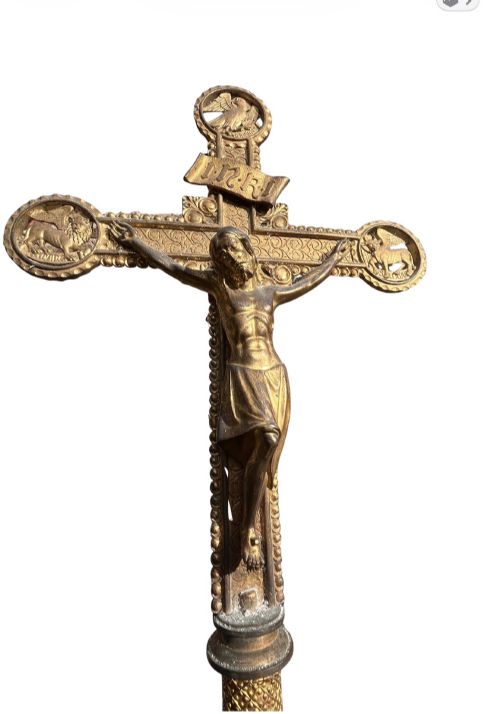
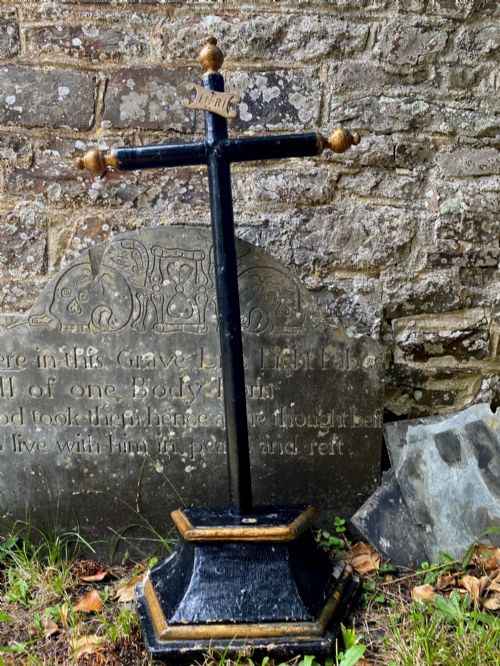
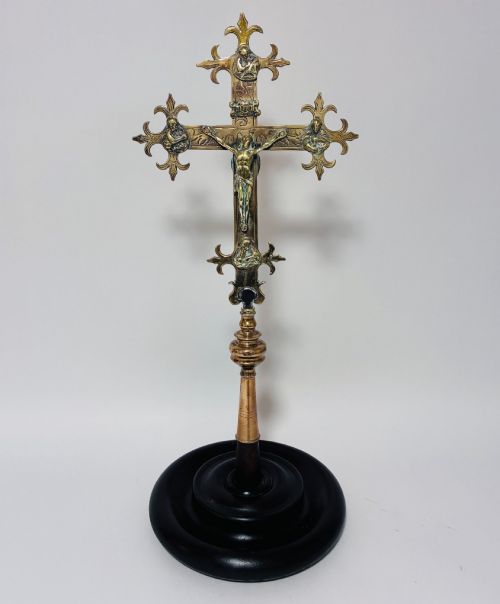
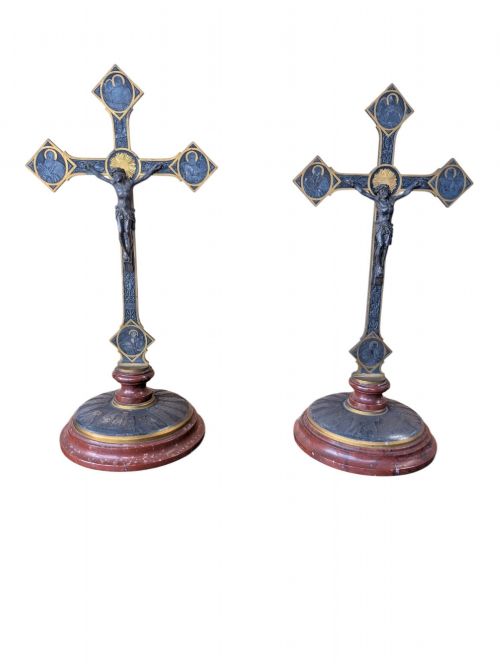
An antique altar crucifix stands as a devotional focal point, carrying centuries of religious symbolism and ecclesiastical design within its form. When you search for an antique altar crucifix, you encounter pieces that range from modest domestic devotional objects to large church furnishings.
The pieces on this page span several centuries, reaching from the sixteenth century through the Georgian era and nineteenth century up to the nineteen-twenties and nineteen-forties. Forms include altar crosses, processional crosses, standing crucifixes, and religious sculpture.
You will most frequently meet nineteenth-century examples alongside French works and pieces showing Gothic Revival, Art Nouveau, Rococo Revival, French Baroque, Renaissance, and eighteenth-century Baroque styles.
Materials and construction methods
Maker workshops utilised a range of metals, combining brass, bronze, silver, gilt metal, and general metalwork to build robust structural frames for the crosses and figures. These metal elements often incorporated decorative casting and parcel-gilt finishes.
Woodworking traditions appear through boxwood, lime wood, and olive wood constructions, sometimes enhanced with polychrome paint layers. Stone and mineral accents such as marble and lapis lazuli provide contrasting bases and inlaid details.
Antique Altar Crucifix Retail Price Guide 2026
Typical asking prices for altar crucifix among the pieces listed under this phrase on Sellingantiques today, from the lower quarter to the upper quarter. They describe what is for sale here now, not the wider market.
Several pieces include detachable wooden bases, proving that even centuries ago, people appreciated the flexibility of a crucifix that could travel.
Assessing quality and craftsmanship
Quality reveals itself in the articulation of the corpus Christi figure and the precision of the supporting base. Finer examples display careful carving of anatomical details in wood or sharp definition in cast metal.
The integration of decorative materials dictates the upper tier of the range. Pieces combining precious stones like lapis lazuli or intricate parcel-gilt and polychromed surfaces demonstrate superior workshop investment.
The Antique Altar Crucifix Glossary
- Corpus Christi
- The representation of the body of Jesus Christ on the cross. This sculptural figure forms the central focal point of any crucifix.
- Processional cross
- A crucifix mounted on a long shaft designed to be carried at the head of a religious procession. These objects often detach from their poles for altar placement.
- Gilt metal
- Base metal treated with a thin layer of gold or gold-coloured wash. This technique provided the visual richness of solid gold at a lower cost.
- Polychromed
- Decorated in several colours. This finish is frequently found on older wooden carvings to add lifelike detail to the drapery and flesh.
Antique Altar Crucifix: Frequently Asked Questions
How were altar crucifixes used?
These objects stood upon church altars during liturgical services or served as focal points for private domestic devotion in homes and private chapels.
They provided a visual anchor for prayer and contemplation, often accompanied by candlesticks and other ecclesiastical furnishings.
How do I date an altar crucifix?
Dating relies on identifying the stylistic markers of periods such as the Renaissance, Baroque, Gothic Revival, or Art Nouveau present in the design.
Material choices like cast brass, parcel-gilt lime wood, or the inclusion of lapis lazuli also point toward specific centuries of manufacture.
What materials should I expect?
The listings feature a variety of substances including metals like brass, bronze, silver, and gilt metal alongside stone elements such as marble and lapis lazuli.
Wooden examples utilise boxwood, lime wood, and olive wood, occasionally featuring painted or polychrome surfaces.
Are these pieces from churches?
Some items originated in large ecclesiastical settings as altar crosses or processional crosses, while others were made for smaller or private devotional spaces.
Scale and material complexity often indicate whether a piece was commissioned for a grand church altar or a modest domestic interior.