






Antique Alpine Furniture
Antique alpine furniture brings robust country character into a room through carved timber, painted pine, and regional folk art traditions.
Antique Alpine Furniture
When buyers search for antique alpine furniture, they encounter sturdy wooden items originating from mountain regions such as Switzerland, Austria, and Bavaria. These pieces span the nineteenth century, including Victorian, Georgian, and specific decades like the eighteen-eighties.
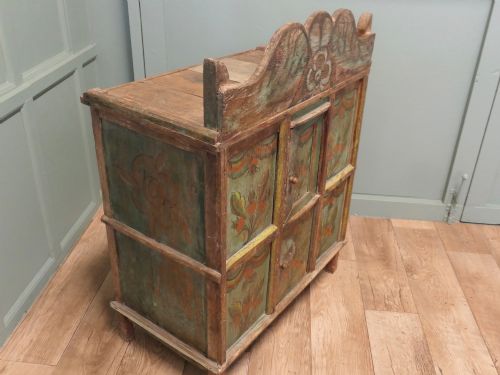
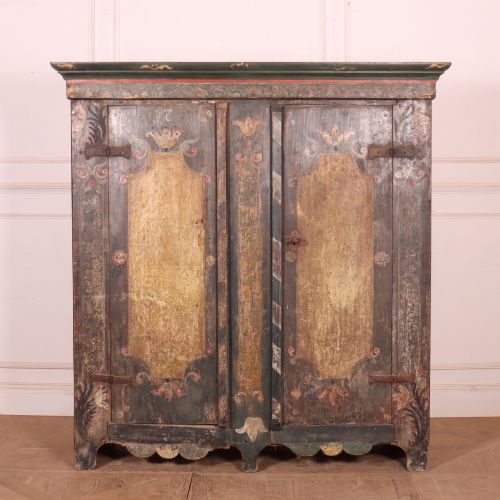
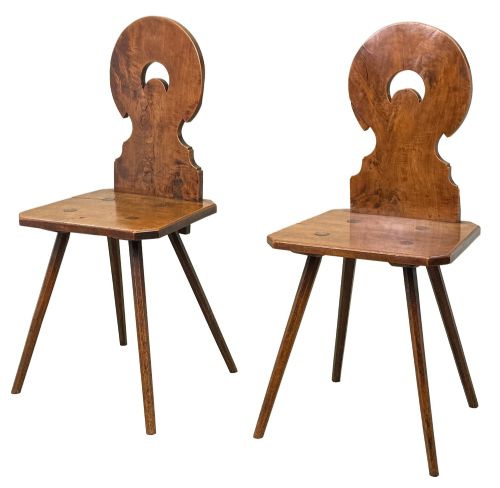
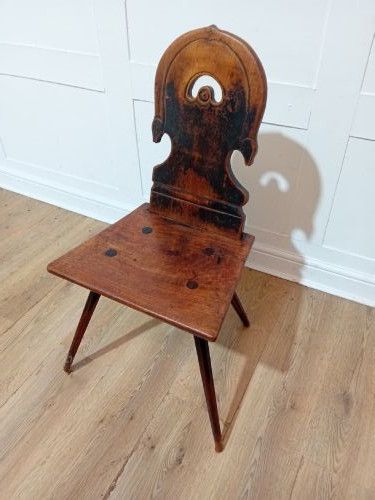
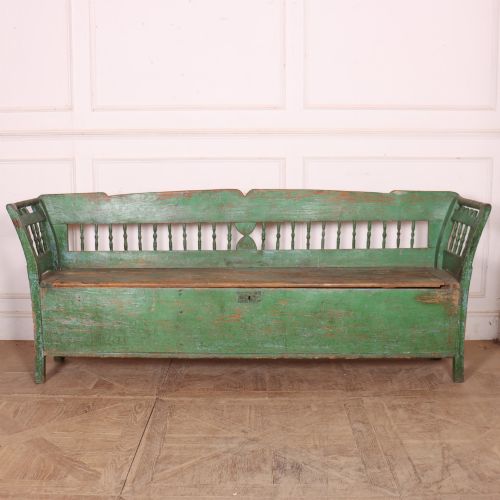
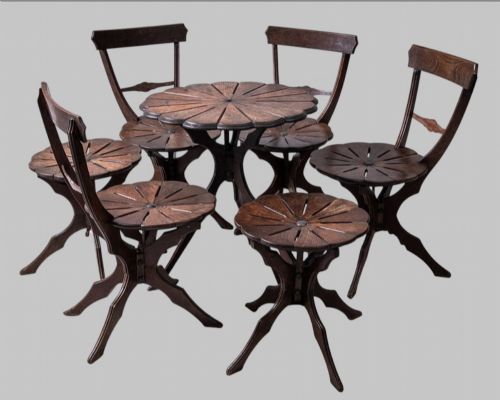
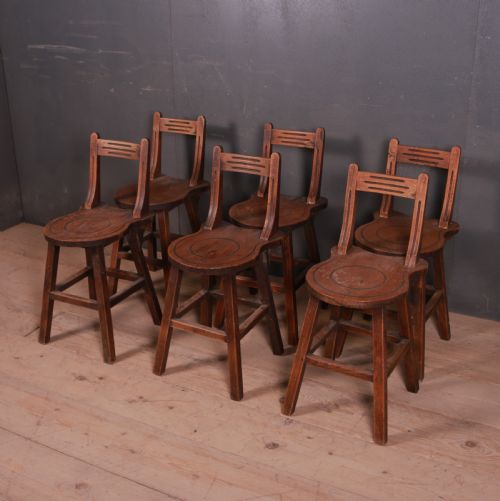
The selection on this page centres on domestic and farmhouse forms designed for everyday mountain living. Common objects include side chairs, hall chairs, benches, settles, parlour suites, kitchen dressers, dining tables, and wall cabinets.
Regional variations emerge through distinct decorative styles like Alpine Folk Art, Austrian Folk Art, Alpine Country, Black Forest, Swiss Folk Art, and Bavarian Folk Art. Buyers frequently meet painted pine furniture alongside items constructed from fruitwood, oak, elm, walnut, and assorted hardwoods.
How these pieces were made
Makers utilised locally available solid timbers, predominantly pine and fruitwood, alongside oak, elm, walnut, and general hardwood. Construction methods prioritised durability and utility for demanding farmhouse and mountain environments.
Surface treatment forms a major part of the construction, featuring original paint applications that define folk art traditions. Carving work appears on specific items like Black Forest armchairs and occasional tables, displaying regional motifs.
Iron fittings and hardware often reinforce structural joints on benches, settles, and cupboards. Joinery methods reflect traditional regional carpentry passed down through generations of rural craftsmen.
Antique Alpine Furniture Retail Price Guide 2026
Typical asking prices for alpine furniture among the pieces listed under this phrase on Sellingantiques today, from the lower quarter to the upper quarter. They describe what is for sale here now, not the wider market.
Listings feature items spanning the nineteenth century, including specific decades like the eighteen-eighties and materials ranging from pine and fruitwood to iron and walnut.
What varies in quality
Quality differences stem from the originality of surface paint and the crispness of regional carving. Untouched painted finishes on pine dressers and commodes carry higher integrity than later overpainting.
The choice of timber influences the standing of a piece, with select fruitwoods and carved oak demanding greater technical skill than standard utility pine. Construction cleverness, such as the engineering found in Black Forest armchairs, elevates individual examples.
The Antique Alpine Furniture Glossary
- Escabelle
- A traditional type of wooden chair often associated with Swiss and Alpine regions, featuring splayed legs and a flat seat.
- Jogltisch
- A specific form of regional wooden table found in Alpine and Germanic furniture traditions, often constructed with sturdy trestle or frame supports.
- Settle
- A wooden bench with high backrests, solid wooden arms, and frequently a storage compartment beneath the seat.
- Folk Art
- Artistic expression created within traditional rural communities, incorporating regional decorative painting and carving styles.
- Pine
- A soft timber extensively utilised across nineteenth-century mountain furniture for both structural carcasses and painted surfaces.
Antique Alpine Furniture: Frequently Asked Questions
What defines alpine furniture?
Alpine furniture encompasses wooden household items produced in mountain regions like Switzerland, Austria, and Bavaria during the nineteenth century. These items use local timber such as pine and fruitwood.
Designs reflect practical rural needs, incorporating regional carving and painted folk art decorations that distinguish them from standard metropolitan styles.
How do I care for painted pine?
Painted pine surfaces require stable indoor humidity levels and protection from direct sunlight to preserve the original pigments and timber. Dust gently with a dry, soft cloth.
Avoid chemical cleaning products or excessive moisture, which can damage historic paint layers and dry timber.
Where were these pieces used?
These items originated in mountain farmhouses, village homes, and alpine chalets across central Europe. They served functional daily purposes in kitchens, parlours, and hallways.
Benches, dressers, and tables met the rigorous demands of rural domestic life, while carved armchairs and occasional pieces featured in refined mountain interiors.
How are periods identified?
Periods are determined through construction methods, regional joinery traits, and historical design shifts recorded across the nineteenth century. Stylistic markers like specific folk art motifs assist with dating.
Materials such as solid fruitwood, elm, and original painted pine surfaces provide physical evidence corresponding to Victorian and Georgian eras.