



Antique Alabaster Shade
An antique alabaster shade brings a soft, translucent glow to a room, cast through finely carved stone.
Antique Alabaster Shade
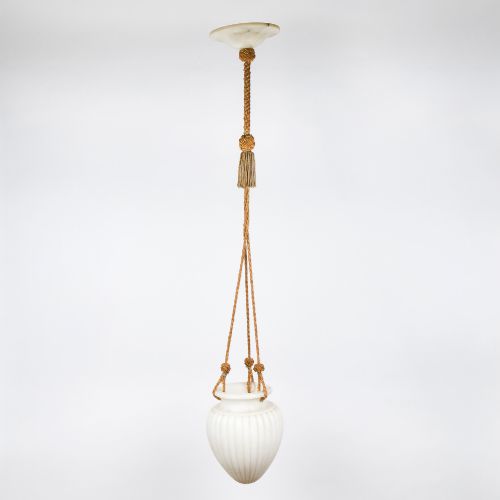
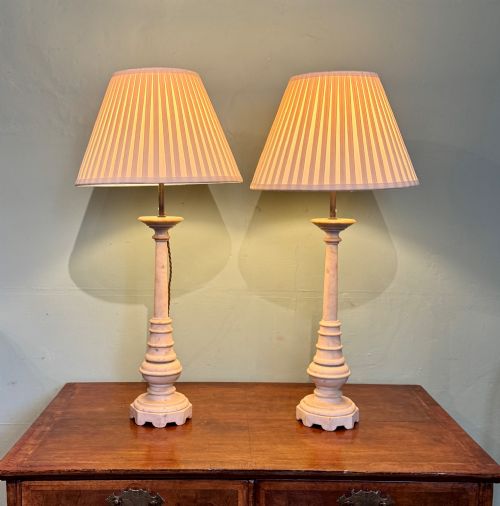
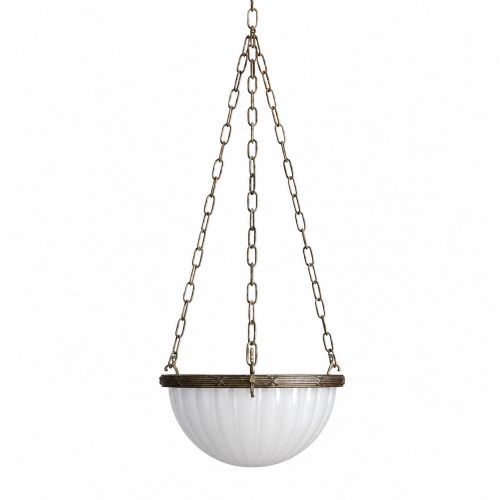
When you search for an antique alabaster shade, you encounter a selection of hanging lights, ceiling lights, and table lamps that utilise natural stone to diffuse light. These pieces emerge from periods such as the Victorian era, the Edwardian years, and the 1920s and 1930s.
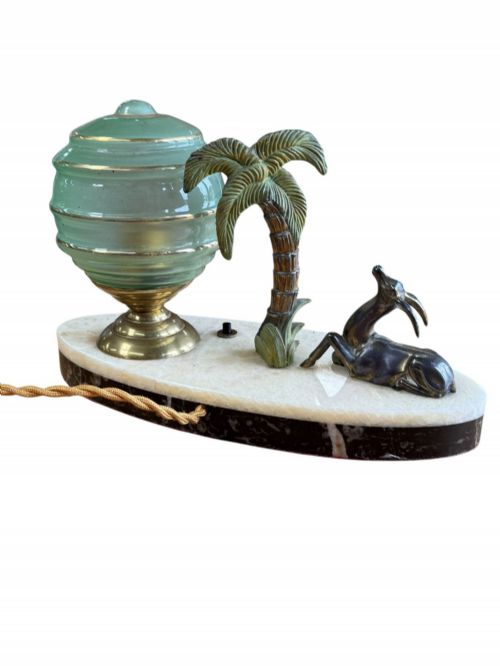
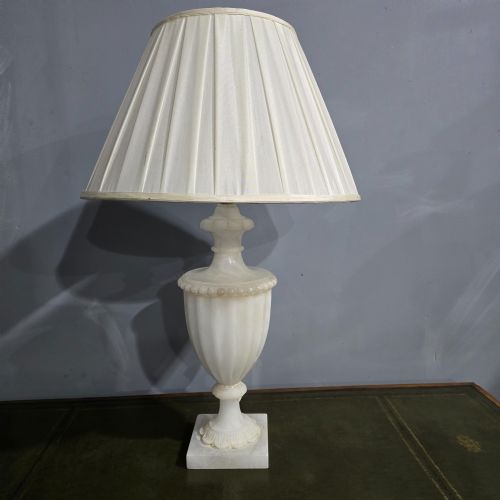
The forms span simple white alabaster hanging lights and English dish ceiling lights to Swedish shaped Art Deco carved alabaster ceiling lights. You also meet table lamps featuring Italian alabaster, white onyx, and marble bases.
Among these items, the Art Deco hanging dish light and the pendant light appear frequently, often paired with brass or silver plate metalwork. The selection reflects styles from Classical Revival and Neoclassical to distinct Art Deco designs.
How they were made
Makers shaped white alabaster and marble by hand, turning and carving the stone to achieve thinness for maximum light translucency. Metal components in brass or silver plate provide the structural support and suspension for these stone shades.
Electrical wiring and fittings integrate with fabric cord, braided cord, and metal elements to complete the lamps and ceiling fixtures. The combination of dense carved stone and polished metal defines the physical construction of these pieces.
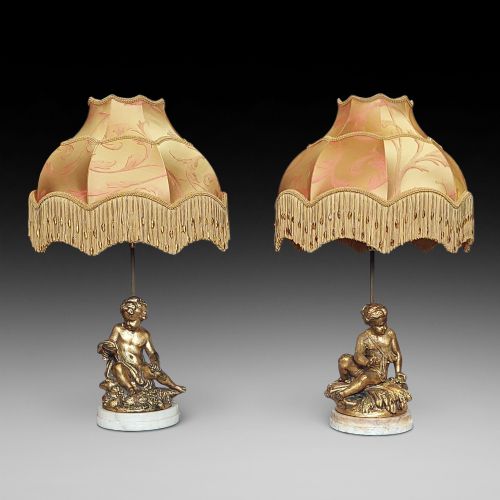
Some figures double as lampstands, holding aloft glowing bowls of stone as if perpetually serving tea by candlelight.
What varies in quality
The depth of carving and the natural figuring of the alabaster or marble determine the visual richness of each shade when illuminated. Uniformity in the stone's translucency and the precision of the turning set finer examples apart from simpler pieces.
The integration of metal mounts, such as brass or silver plate, influences the overall character of the lamp or pendant light. Subtlety in decorative detailing, from neoclassical revival motifs to clean Art Deco lines, distinguishes the execution.
The Antique Alabaster Shade Glossary
- Alabaster
- A fine-grained, translucent stone used for carving lamps and shades that diffuse light softly. It varies in natural opacity and tone.
- Art Deco
- A design style from the early twentieth century characterised by sleek geometric shapes, streamlined forms, and stylised motifs.
- Pendant light
- A hanging light fixture suspended from the ceiling by a cord, chain, or metal rod. It positions the shade directly over a space.
- Neoclassical Revival
- A style drawing inspiration from classical antiquity, often featuring restrained ornamentation and symmetrical proportions.
Antique Alabaster Shade: Frequently Asked Questions
How do I clean an antique alabaster shade?
Dust the stone gently with a dry, soft cloth to prevent dirt accumulation in the natural pores of the material. Avoid using water or chemical cleaners, which can penetrate and stain unsealed alabaster.
Keep the fixture away from areas of high moisture to preserve the polished surface and the integrity of the carved stone over time.
What bulb should I use with alabaster?
Utilise lower-wattage LED bulbs that emit minimal heat to protect the historical stone from thermal stress. Cooler bulbs also prevent the internal wiring and older fabric or braided cords from degrading prematurely.
Selecting a warm white output enhances the natural translucency of the stone, replicating the gentle glow intended by the maker.
Can these ceiling lights be rewired?
Professional electricians can update the internal wiring of vintage pendants and ceiling fixtures to meet modern safety standards. This process preserves the original brass mounts and stone shades while ensuring safe operation in a modern home.
Discuss retention of original braided cords or fabric flex with your restorer if you wish to maintain the period appearance of the hanging mechanism.
How do I identify an Art Deco alabaster light?
Look for geometric stepped forms, Swedish shaped bowls, or figural metal mounts paired with the carved stone dish. These design markers separate 1920s and 1930s pieces from earlier Victorian or Edwardian interpretations.
Examine the suspension hardware, as silver plate and distinct stepped brass fittings frequently accompany the Art Deco aesthetic on these items.