



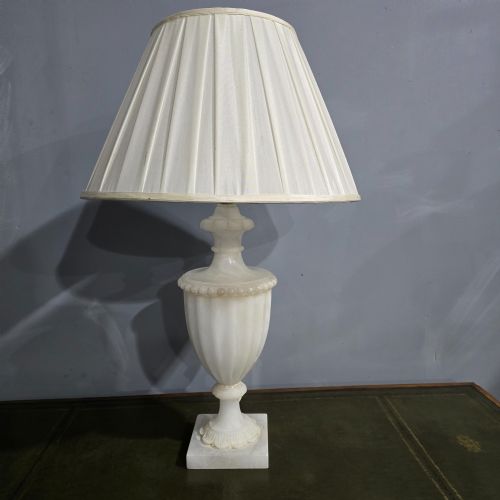

Antique Alabaster Lighting
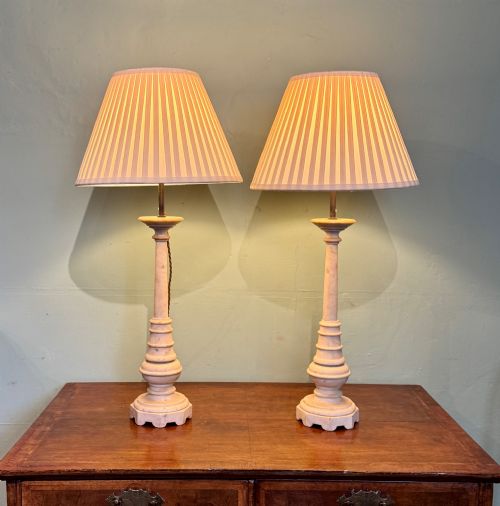
Antique alabaster lighting brings a warm, diffused glow to a room through carved stone bowls, figures, and columns.
Antique Alabaster Lighting
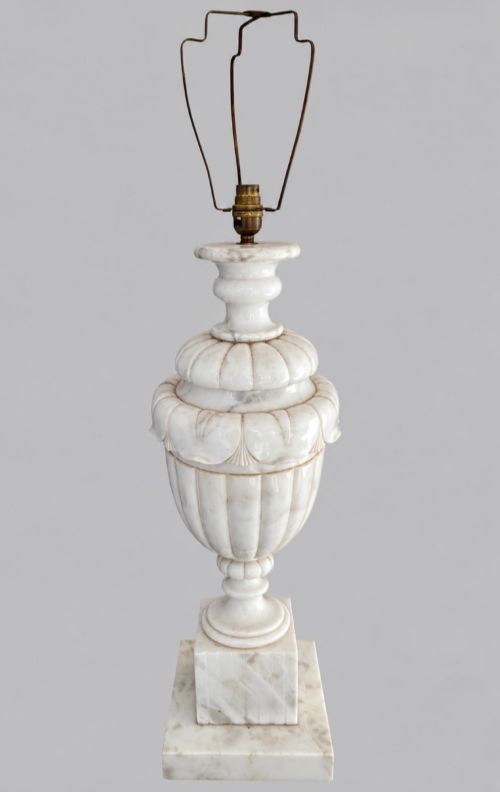
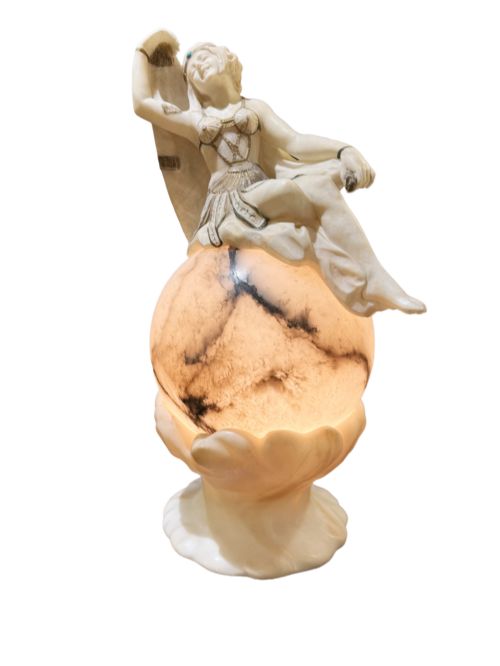
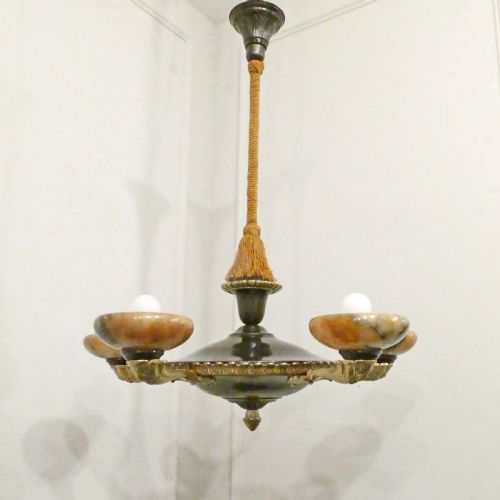
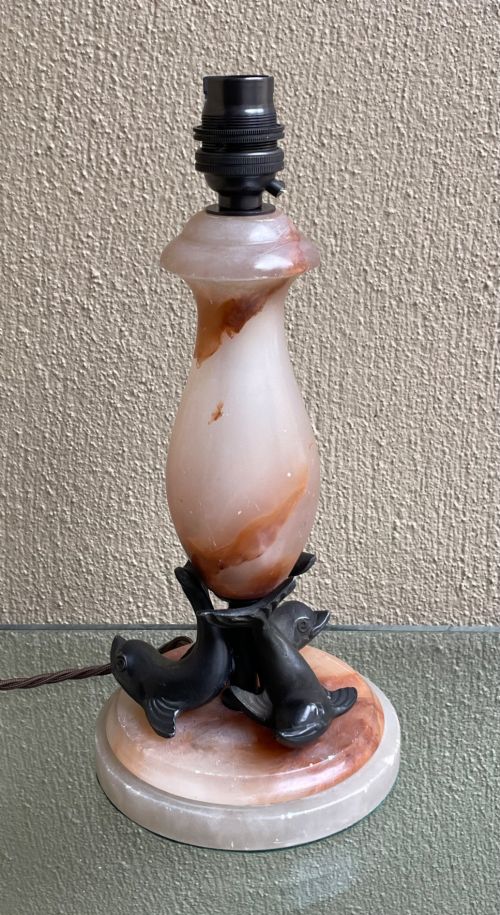
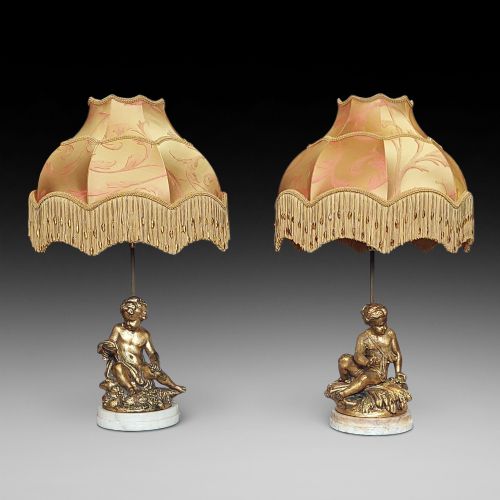
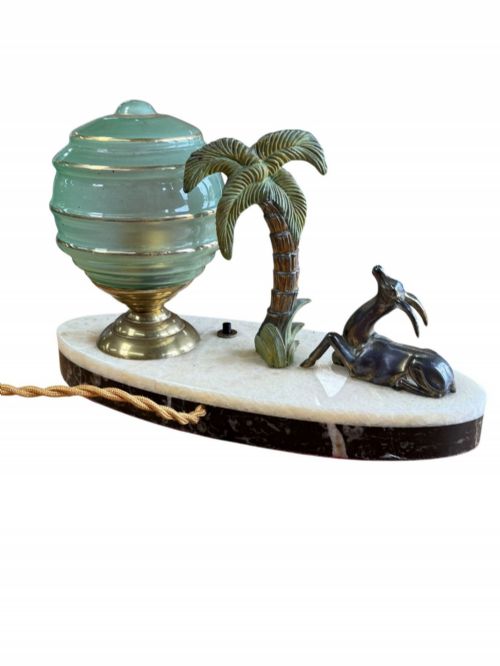
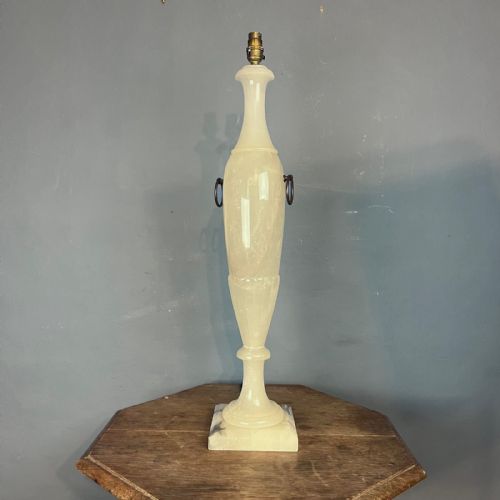
When you search for antique alabaster lighting, you encounter pieces that range from Victorian and Edwardian fixtures to distinct Art Deco designs. Table lamps and pendant lights dominate the selection, often taking the form of hanging dishes or carved figural studies.
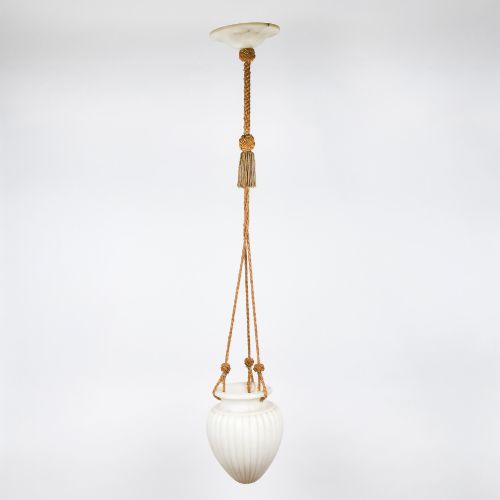
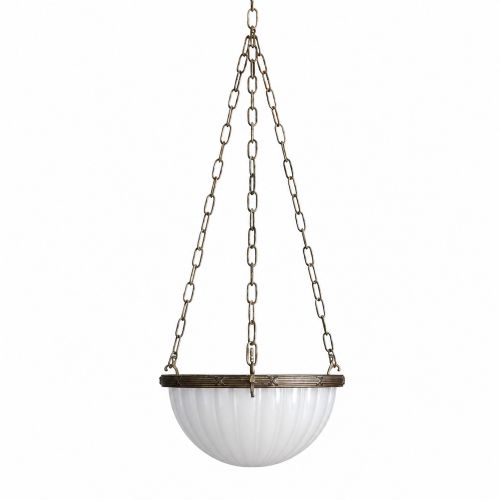
The most common examples on this page date from the early decades of the twentieth century, particularly the 1920s and 1930s. These items often incorporate carved stone bowls suspended by metal chains or mounted upon sturdy bases for interior illumination.
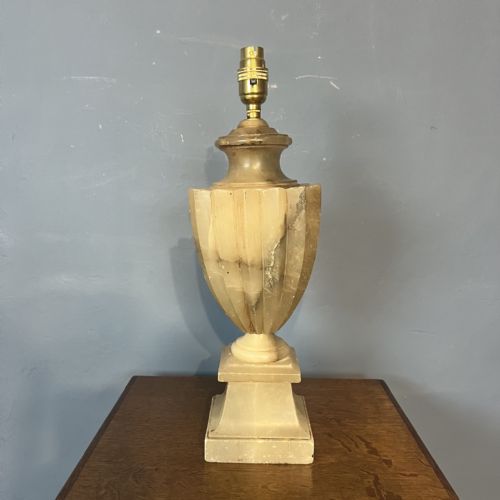
Makers and designers from this era drew upon Neoclassical Revival and Classical Revival styles, alongside Arts and Crafts influences. Pieces span origins including English, Italian, and Swedish workshops, reflecting varied regional interpretations of the material.
Materials and construction
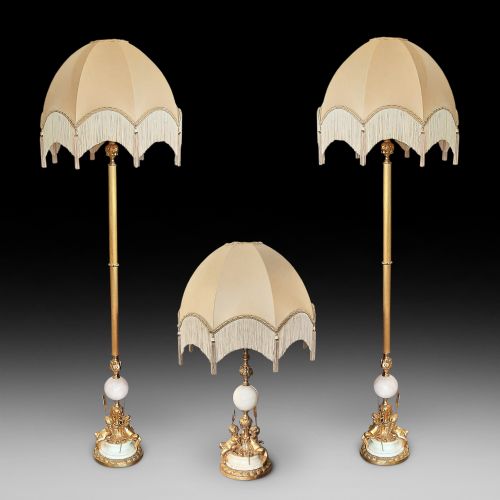
Craftsmen shaped soft translucent stone, frequently paired with cast metals such as brass, bronze, and silver plate to provide structural support. Fabric cords, glass components, and fabric elements appear alongside the primary stone bodies.
Turned marble and white onyx frequently supplement pure alabaster in these assemblies, while heavy metal mounts secure the stone bowls and columns. Turning on a lathe and hand-carving define the physical creation of the lamps and hanging fixtures.
Antique Alabaster Lighting Retail Price Guide 2026
Typical asking prices for alabaster lighting among the pieces listed under this phrase on Sellingantiques today, from the lower quarter to the upper quarter. They describe what is for sale here now, not the wider market.
Listings feature items spanning the Victorian era through the 1930s, constructed from alabaster, marble, onyx, brass, bronze, and glass.
Judging quality in stone fixtures
Superior examples display an even, translucent grain within the stone that allows light to pass through without heavy mottling. The depth of the hand-carved relief on figural lamps and the crispness of decorative motifs distinguish finer pieces.
The integration of the metal mounts, whether brass, bronze, or silver plate, demonstrates the maker's original intent and overall structural integrity. Heavy, well-balanced bases and robust suspension fittings mark the upper tier of the range.
The Antique Alabaster Lighting Glossary
- Alabaster
- A fine-grained, translucent stone utilised for carving lighting bowls and lamp bodies. It diffuses light softly across a room.
- Chamberstick
- A portable candle holder featuring a short stem and a wide catch basin, sometimes adapted into electric forms.
- Chandelier
- A branched hanging light fixture designed to hold multiple bulbs or candles. Many examples incorporate carved stone bowls.
- Grand Tour
- A cultural journey undertaken by wealthy Europeans, resulting in the acquisition of souvenirs like small marble artefacts.
- Neoclassical Revival
- An artistic movement drawing inspiration from classical antiquity, visible in the column forms and urn shapes of these lamps.
Antique Alabaster Lighting: Frequently Asked Questions
How do I clean antique alabaster?
Dust the stone gently with a dry, soft cloth to prevent dirt accumulation within the porous surface. Avoid using water or liquid chemical cleaners, which can penetrate and stain the material.
For stubborn marks, consult a professional restorer rather than attempting chemical removal at home. Alabaster is relatively soft and vulnerable to abrasion.
Were these lights originally electric?
Many early twentieth-century pieces were manufactured specifically for electricity, while Victorian examples often started as oil or gas lamps. Conversion work is standard for older lighting to meet modern safety standards.
Inspect the wiring path to understand how internal components have been adapted over time. Original metal fittings help determine the authentic period configuration.
How do I date an alabaster lamp?
Examine the wiring style, metal patination, and stylistic cues such as Art Deco geometric lines or Victorian ornamentation. The specific carving technique also points toward a general era of production.
Compare the mounting hardware against known periods like the Edwardian era or the 1920s. Subtle shifts in manufacturing methods help narrow down the decade.