





Antique Afshar Weaving
Antique afshar weaving brings the striking geometric patterns and rich wools of South Persian nomads directly into your home.
Antique Afshar Weaving
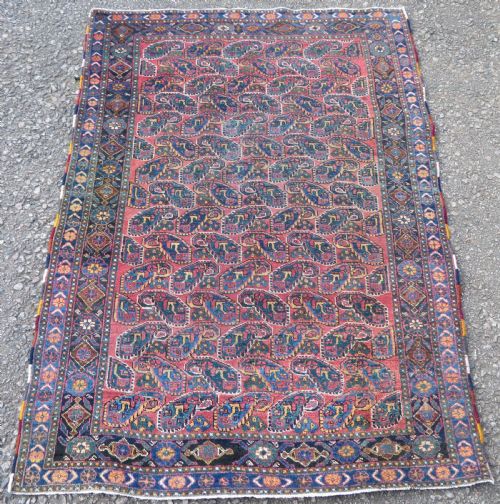
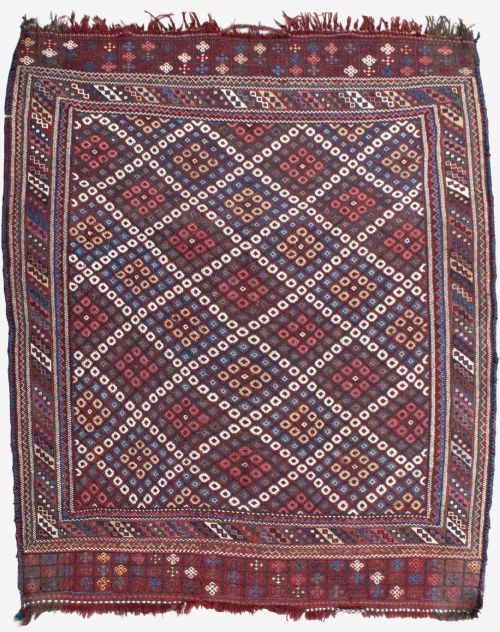
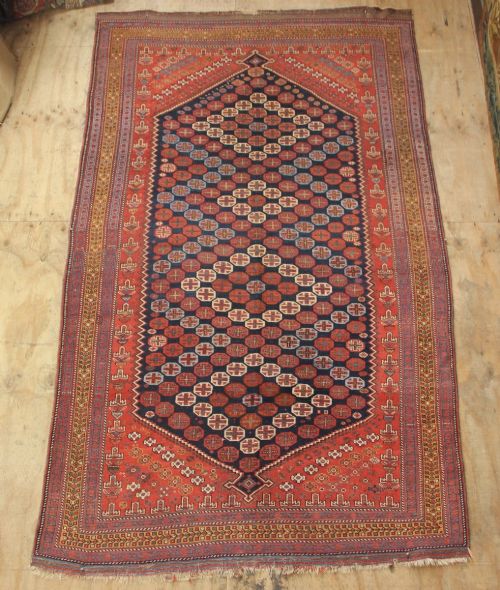
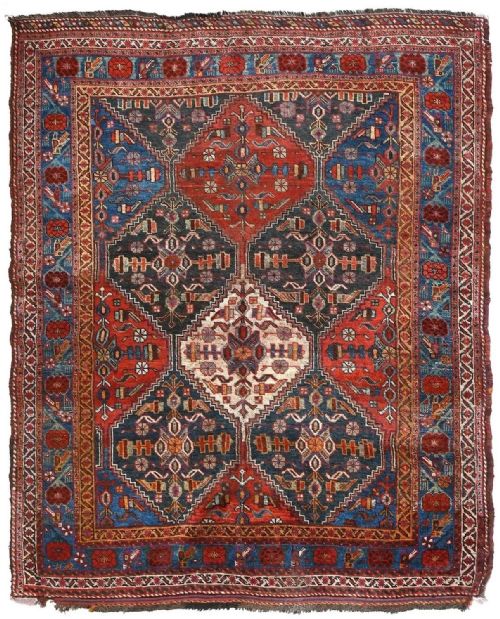
When you search for antique afshar weaving, you encounter hand-knotted rugs, carpets, and smaller tribal textiles originating from the Kerman Province in South Persia. These pieces date primarily from the nineteenth and early twentieth centuries, reflecting the nomadic and village traditions of the region.
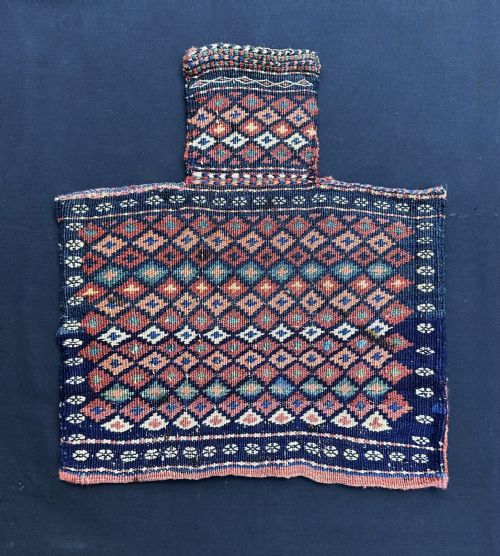
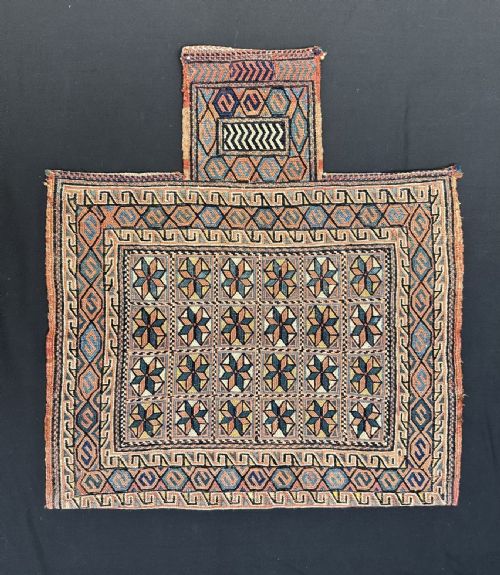
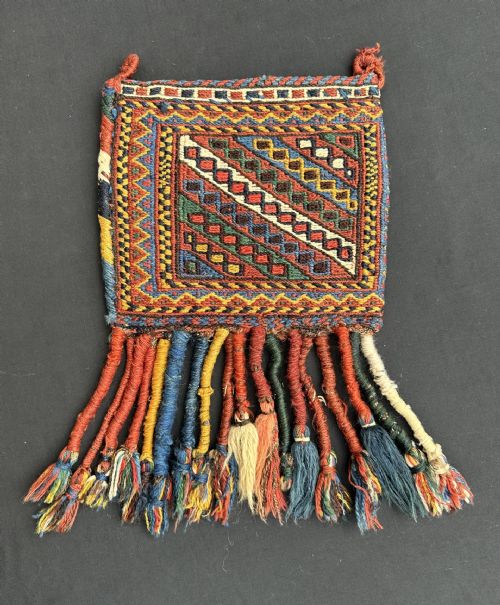
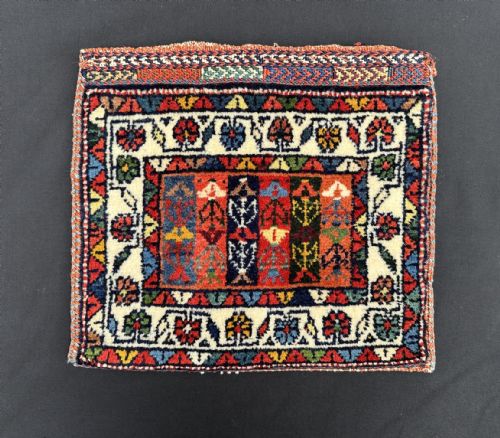
The most common formats you will meet on this page are floor rugs and utilitarian storage pouches, including salt-bags, vanity bags, and bread sofrehs. These smaller woven items showcase the same design ambition and technical precision as the larger carpets.
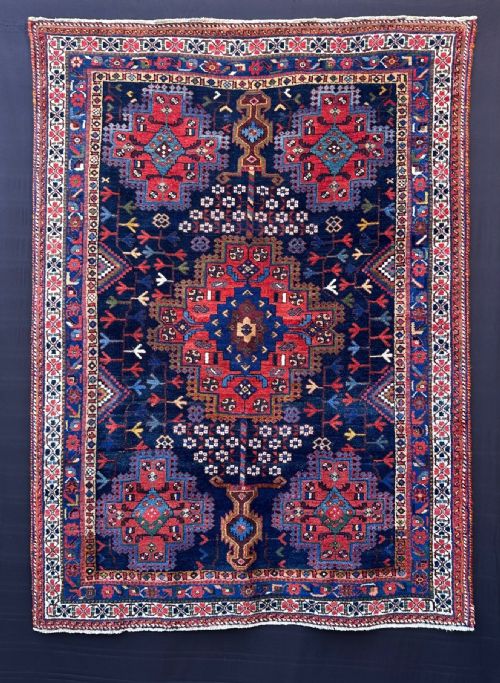
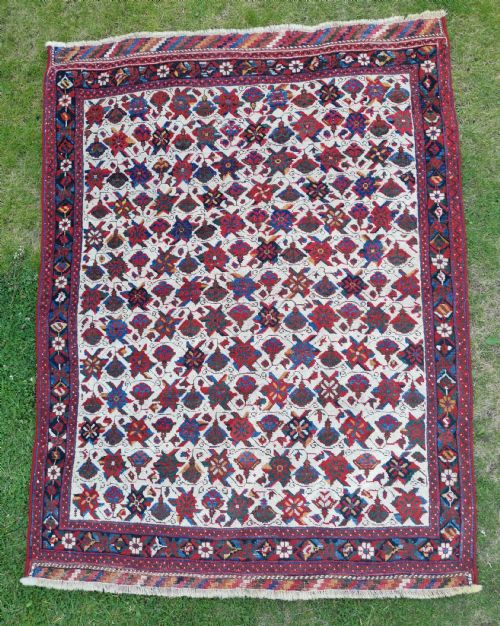
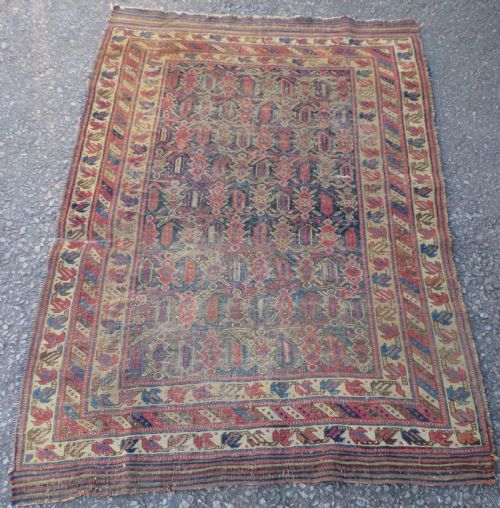
Designs span from medallion formats and all-over Herati repeats to large boteh motifs, dragon and phoenix designs on ivory grounds, and vase compositions. The tribal aesthetic draws heavily on Persian village and South Persian tribal styles.
Materials and construction
Weavers utilised hand-spun wool for the pile and foundation structures, paired with cotton in various applications. Natural dyes provided the palette, producing deep tones across both pile rugs and flatwoven pieces.
Certain functional bags incorporate specialised techniques such as Soumak work, alongside details like cowrie shells integrated into the tribal ornamentation.
Nomadic workshops produced these items on portable vertical looms, resulting in dense, durable structures capable of withstanding the rigours of daily tribal life.
Antique Afshar Weaving Retail Price Guide 2026
Typical asking prices for afshar weaving among the pieces listed under this phrase on Sellingantiques today, from the lower quarter to the upper quarter. They describe what is for sale here now, not the wider market.
Listings feature pieces dated across the nineteenth and early twentieth centuries, using wool, cotton, and natural dyes.
Factors of quality
The distinction between ordinary and exceptional examples rests in the handling of the wool and the depth of the natural dyes. Luminous, saturated wool and well-fixed dye stuffs create a visual vibration that flat, lifeless materials simply lack.
Structural integrity and knot density dictate the refinement of the piece. Crisp lines within complex geometric motifs or intricate boteh repeats require a high degree of weaver control over the loom.
The originality of the format and completeness of edge finishes, particularly on tribal bags and sofrehs, elevate the standing of a textile within its specific type.
The Antique Afshar Weaving Glossary
- Sofreh
- A spread or cloth woven for eating, serving, or processing bread. These utilitarian textiles double as graphic works of art with minimalist or field designs.
- Soumak
- A flatweave technique where pattern wefts are wrapped around the warp threads before passing back. This method creates a sturdy, textured surface without a cut pile.
- Boteh
- A stylised floral or almond-shaped motif representing a cypress tree or a flame. It appears frequently as a repeated element across South Persian fields.
- Herati
- A classic Persian repeating pattern composed of a central rosette enclosed by a medallion, flanked by curved leaves. It provides balanced rhythm to tribal and village rugs.
- Kerman Province
- A historical weaving centre in South Persia encompassing regions such as Bardsir, Neiriz, and Jebal Barez. It served as the primary homeland for the weaving tribes.
Antique Afshar Weaving: Frequently Asked Questions
How were antique afshar bags used?
Nomadic families utilised these woven pouches for storing salt, bread, and personal possessions during seasonal migrations.
Their sturdy construction protected contents from dust and moisture while inside tribal tents.
What is a bread sofreh?
A bread sofreh served as a clean cloth placed on the ground for preparing and eating meals.
These flatwoven or low-pile textiles often display bold, uncluttered compositions focused around central medallions.
How do I care for an antique rug?
Protect the textile by vacuuming gently without a rotating brush and keeping it out of direct sunlight.
Professional cleaning tailored to antique wool ensures the natural dyes remain stable.