


Antique Adjustable Lounge Chair
An antique adjustable lounge chair offers deep comfort and mechanical ingenuity, making it a prized centrepiece for relaxation.
Antique Adjustable Lounge Chair
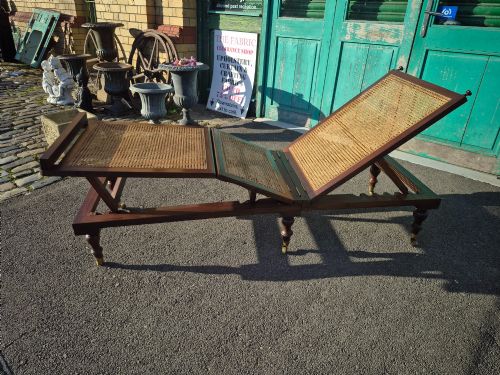
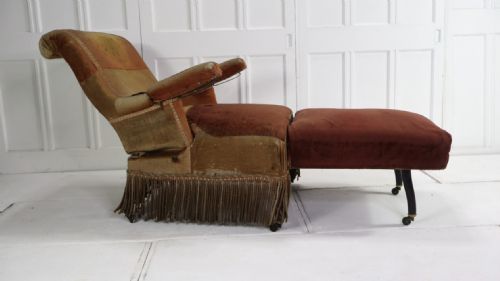
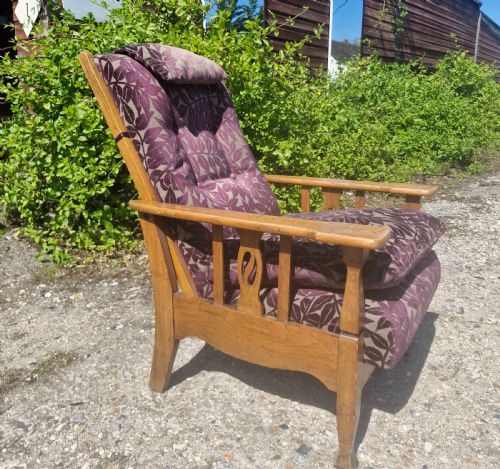
An antique adjustable lounge chair brings mechanical ingenuity and deep comfort together, offering a versatile seat that alters its posture for reading or resting. When you search for an antique adjustable lounge chair, you encounter forms that span campaign styles, Arts and Crafts designs, and heavy Victorian frames.
Materials and construction methods
Cabinetmakers built these frames using robust timbers such as oak, mahogany, and teak, ensuring the structural integrity required for moving mechanical parts. Brass fittings, castors, and ratchets provide the adjustable mechanism, allowing the backrest and footrest to shift smoothly.
Upholstery materials range from supple leather and velvet to woven cane and durable fabric, often secured with brass tacks. The combination of dense hardwood frames and functional metal hardware defines the construction of these versatile seats.
Some nineteenth-century reclining chairs feature hidden footrests that slide out like secret drawers, ready for an impromptu afternoon nap.
Assessing quality in adjustable seating
Quality in these pieces rests upon the precision of the mechanical action and the robustness of the timber frame. Finer examples exhibit smooth, reliable ratchets or folding mechanisms that operate without binding, alongside carefully turned woodwork and sturdy castors.
The grade of materials also dictates worth, distinguishing simple utilitarian frames from pieces boasting refined timber grains, high-grade leather, and sophisticated proportions designed for refined interiors.
Foot & Sons·Heal & Son
The Antique Adjustable Lounge Chair Glossary
- Campaign style
- Portable furniture originally designed for military officers on campaign, typically featuring folding frames and brass mounts. These pieces combine rugged construction with functional portability.
- Recliner chair
- A seat featuring an adjustable backrest that lowers to allow the sitter to recline. Such designs often incorporate extendable footrests for full extension.
- Metamorphic armchair
- A piece of furniture designed to transform from a standard armchair into a daybed or lounger through mechanical adjustment. They showcase ingenious nineteenth-century engineering.
- Steamer armchair
- A timber chair with a ladderback frame and extending footrest, traditionally used on ocean liners and verandas. They utilise lightweight yet sturdy construction.
- Ratchet mechanism
- A notched metal bracket and bar system that locks an adjustable backrest into various set angles. This hardware provides the primary means of altering the seating position.
Antique Adjustable Lounge Chair: Frequently Asked Questions
How do these adjustable chairs work?
These seats utilise mechanical ratchets, hinged backrests, or extending foot sections that allow the user to alter the angle of the seat. By lifting or shifting the arms or back, the frame locks securely into different positions.
This adaptability meant a single piece could serve as an upright reading chair or a fully extended daybed. The hardware is typically forged from brass or iron to withstand regular movement.
Where were campaign chairs used?
Campaign furniture originated for military use, travelling with officers across the British Empire. Their clever folding mechanisms and sturdy timbers allowed for easy transport on rough terrain.
Over time, these utilitarian designs transitioned into domestic drawing rooms and verandas, where their versatility remained highly valued.
How do I care for leather upholstery?
Antique leather requires gentle cleaning with a damp cloth and occasional treatment with appropriate conservation balms to prevent drying. Avoiding direct sunlight and excessive heat preserves the suppleness of the hide.
Regular, careful maintenance ensures the material ages gracefully while retaining its natural character and strength.
Can I use an antique lounger daily?
These robust frames were built for enduring utility, making them suitable for regular use when handled with reasonable care. Checking the mechanical joints and castors periodically ensures safe operation.
Their sturdy construction from hardwoods like oak and mahogany means they easily accommodate modern seating habits while adding historic character to a room.