

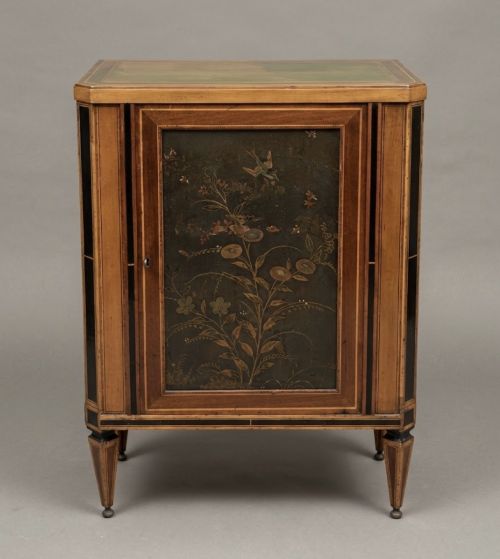
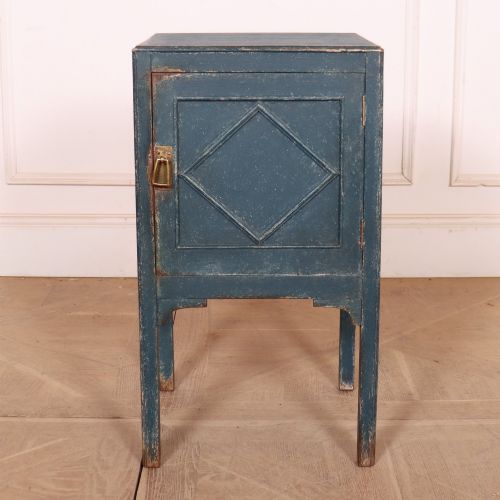
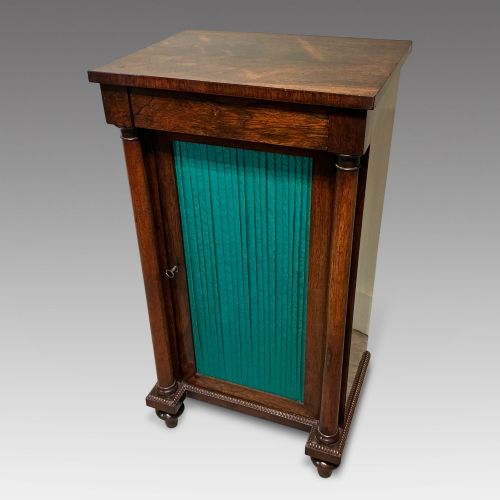
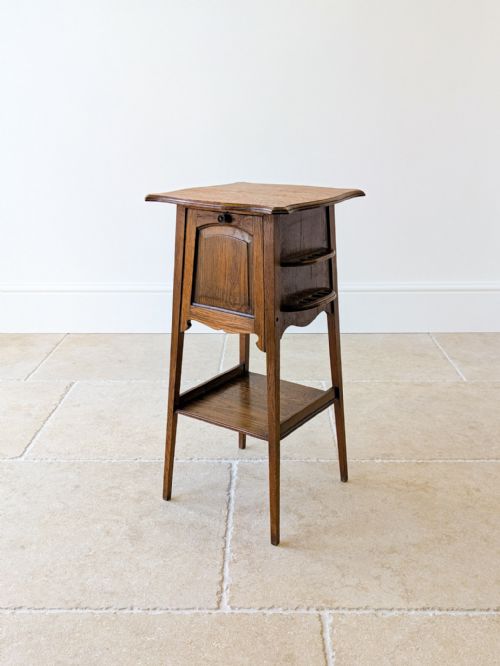



Antique Accent Cupboard
An antique accent cupboard brings distinct timber character and period presence to a room, offering compact storage with decorative flair.
Antique Accent Cupboard
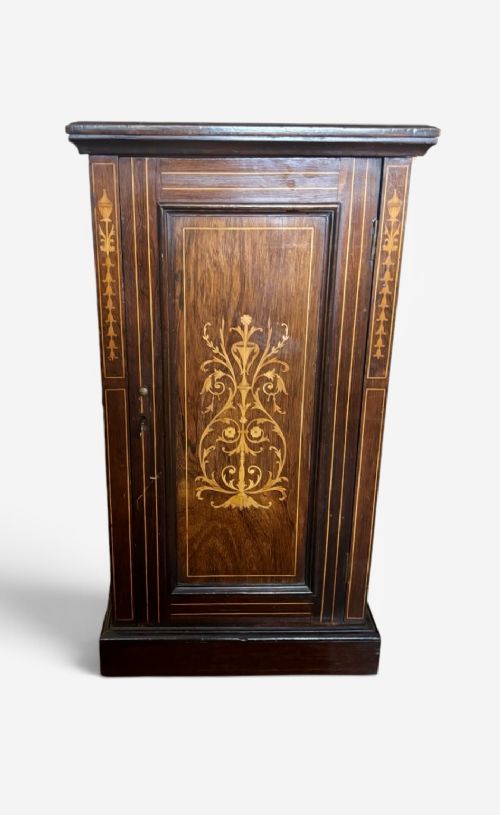
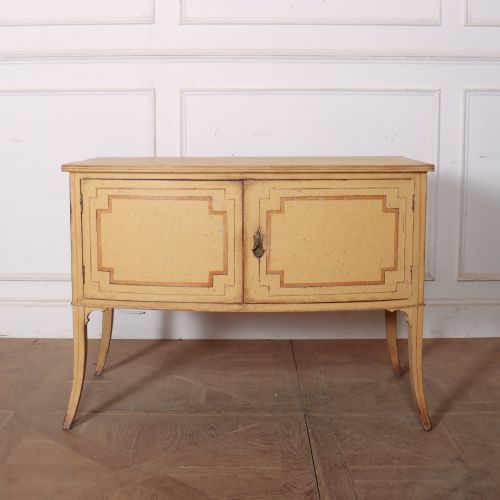
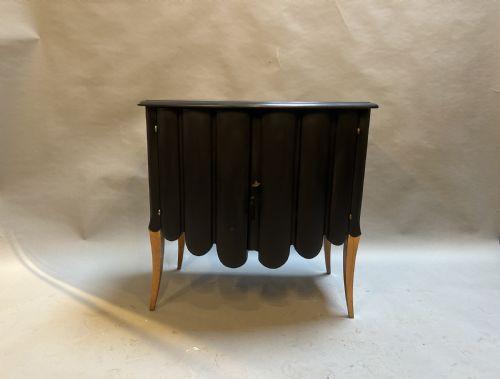
When searching for an antique accent cupboard, collectors encounter a diverse group of small storage furniture spanning multiple centuries and stylistic traditions. These pieces include bedside cabinets, diminutive commodes, hall cupboards, and painted side cabinets designed to fulfill both functional and decorative roles.
The most frequent examples on this page date from the nineteenth and early twentieth centuries, encompassing Victorian, Edwardian, and 1930s interpretations. Timber choices range from familiar oak and mahogany to exotic kingwood, walnut, and rosewood, often enhanced by inlay, carving, or hand-painted decoration.
Regional variations appear regularly, shifting from English oak Arts and Crafts items to French Louis XV revival marquetry and Italian walnut pedestal pieces. Each form provides a compact footprint suited for modern interiors while retaining the distinct craftsmanship of its originating era.
Materials and construction methods
Cabinet makers utilised a foundation of solid timbers such as oak, mahogany, and walnut, frequently applying fine veneers including burr walnut, rosewood, and kingwood to visible surfaces. Quarter veneering and oyster veneering techniques created striking geometric grain patterns across door panels and tabletops.
Surface ornamentation involved intricate marquetry, satinwood inlay, hand-painting in specific artistic styles, and applied gilt bronze or ormolu mounts. Carved details appeared particularly on Gothic revival, Flemish, and Arts and Crafts examples, demonstrating traditional hand-tool proficiency.
Antique Accent Cupboard Retail Price Guide 2026
Typical asking prices for accent cupboard among the pieces listed under this phrase on Sellingantiques today, from the lower quarter to the upper quarter. They describe what is for sale here now, not the wider market.
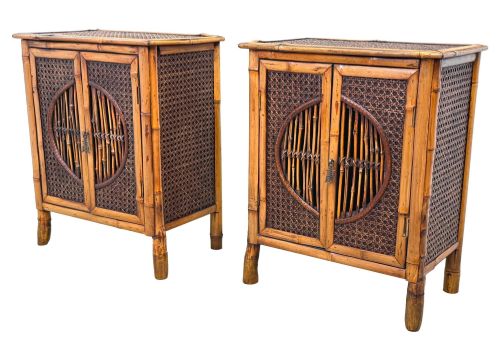
One tiny pair of bamboo cupboards from the late nineteenth century proves that even fast-growing grasses can inspire serious cabinet making.
Distinctions in craftsmanship and design
The degree of refinement in timber selection and decorative execution separates standard utility storage from exceptional decorative pieces. Master workshops employed superior veneer matching, intricate hand-cut marquetry, and high-grade bronze mounts rather than mass-produced cast metal elements.
Structural integrity relies on traditional joinery methods and the preservation of original surfaces, whether polished French polish or period paintwork. Subtle details such as hand-carved mouldings and well-figured grain elevate the visual impact of smaller side cabinets and bedside chests.
Melissa White
The Antique Accent Cupboard Glossary
- Marquetry
- Inlaid wood veneers arranged in decorative patterns or pictorial scenes on cabinet doors and tabletops. This technique requires meticulous cutting and fitting of various coloured woods.
- Ormolu
- Gilded bronze mounts and decorative fittings applied to furniture pieces, particularly popular in French cabinet making. The finish provides a bright metallic contrast against dark woods like mahogany and kingwood.
- Cabriole leg
- A furniture leg that curves outward and then tapers inward, finishing in a pad or scroll foot. This form draws inspiration from traditional Chinese furniture and defined eighteenth-century styles revived later.
- Chiffonier
- A low sideboard or small cabinet featuring shelving or a small superstructure on top. Victorian versions combined enclosed cupboard storage with display space for small objects.
- Oyster veneer
- Circular slices cut transversely from small branches or roots, producing an oyster-shell pattern across the surface. Artisans arranged these pieces closely together to create intricate decorative veneers during the seventeenth century.
Antique Accent Cupboard: Frequently Asked Questions
What is an antique accent cupboard?
An antique accent cupboard is a small-scale storage piece, such as a bedside cabinet, diminutive commode, or side table with a cupboard base, designed to introduce period character and practical storage to an interior.
These items range from simple oak utilitarian pieces to highly ornate French revival cabinets featuring marquetry, ormolu mounts, and painted surfaces.
How were these cupboards used historically?
Historically, these compact pieces served specific domestic functions in bedrooms, hallways, and drawing rooms, holding personal items, bedside necessities, or serving as decorative display surfaces.
Their small footprints allowed them to fit into alcoves and tight spaces where larger wardrobes or sideboards proved impractical.
How do I style an antique accent cupboard?
Living with these pieces involves placing them in modern or traditional rooms as bedside tables, hallway focal points, or living room side cabinets that contrast with contemporary upholstery.
Their varied finishes - from painted Chinoiserie to rich burr walnut - allow them to anchor a room while providing enclosed storage for modern clutter.
How can I tell different periods apart?
Distinguishing periods relies on identifying characteristic woods, hardware, and decorative motifs, such as heavy carved oak for Arts and Crafts or ornate gilt mounts for French revival.
Structural details and secondary timbers inside the cabinet also offer clues regarding whether a piece originates from the Victorian, Edwardian, or later eras.