
Antique 9ct Gold
Antique 9ct gold brings together solid and durable jewellery made from nine-carat gold, spanning everyday chains and gem-set rings.
Antique 9ct Gold
When you search for antique 9ct gold, you encounter items shaped from an alloy containing thirty-seven point five percent pure gold. This specific alloy offered durability at a lower cost than higher karat equivalents, making it popular for personal ornaments over many decades.
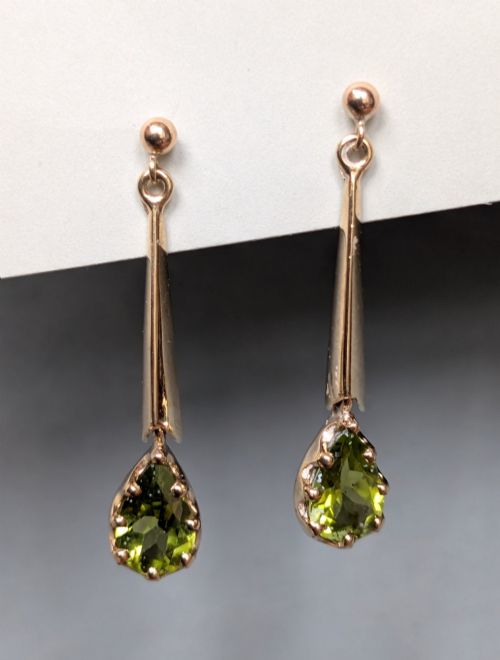
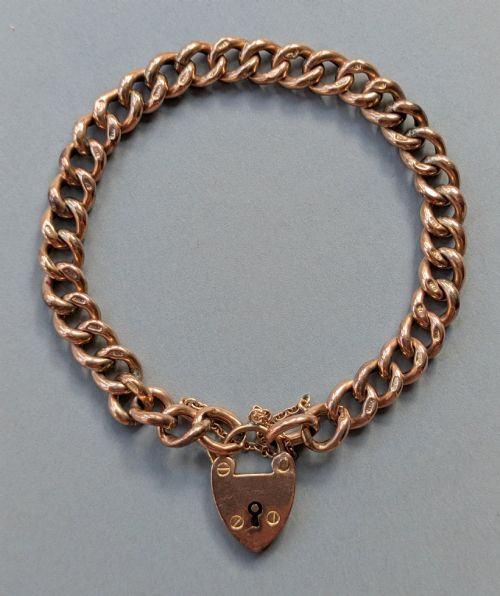
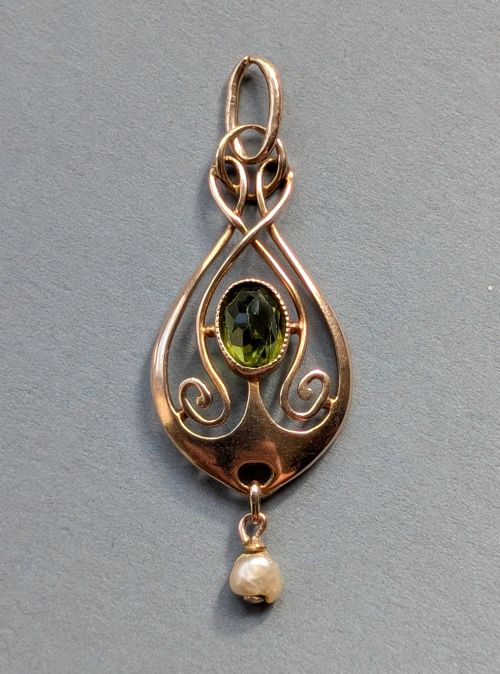
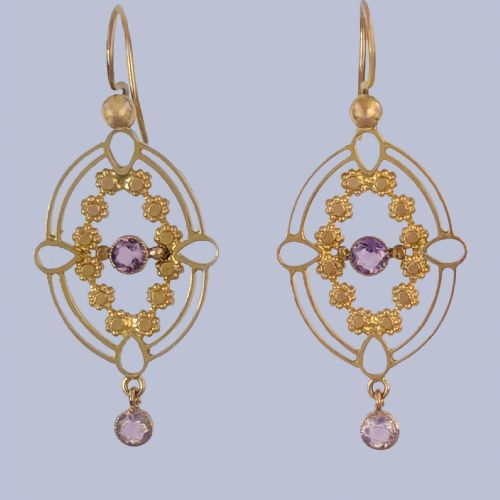
The objects span multiple forms, from watch chains and heavy curb link bracelets to gem-set pendants, brooches and drop earrings. You meet pieces originating from the Victorian era, the Edwardian period, Art Nouveau and Art Deco workshops, up to mid-century examples.
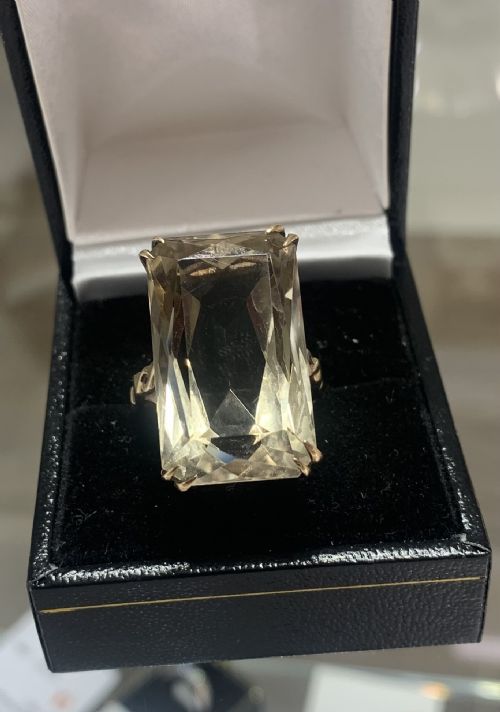
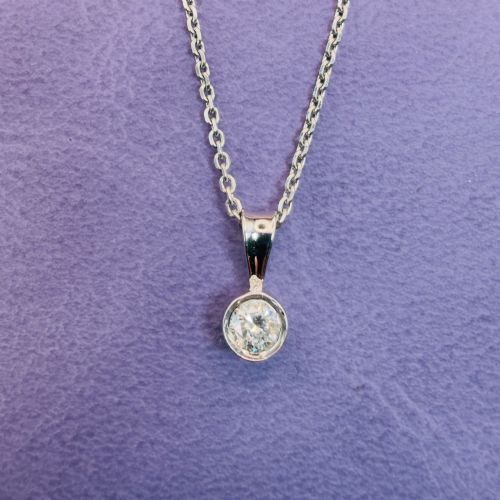
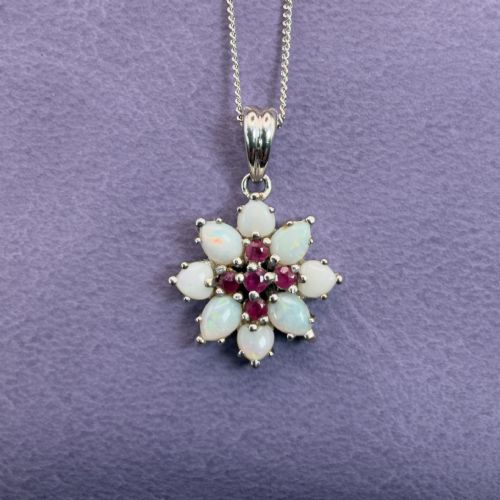
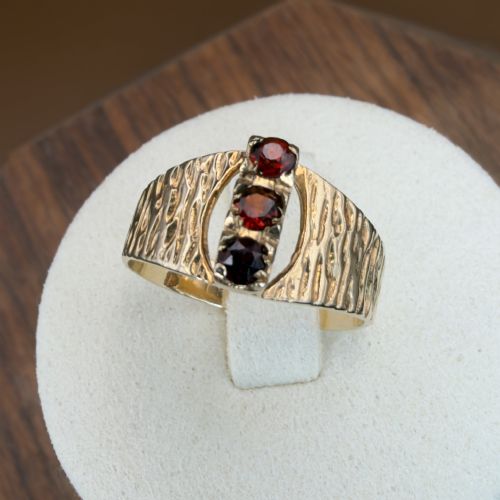
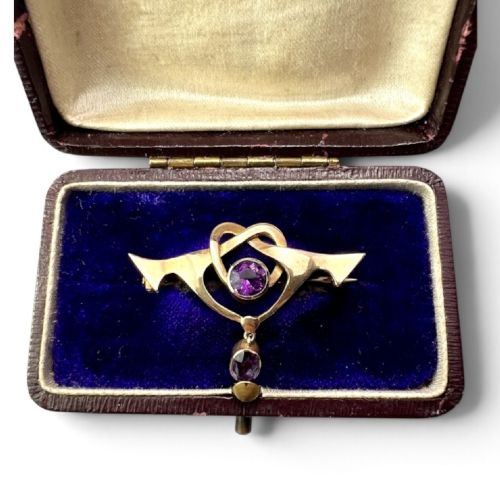
Yellow gold and rose gold dominate the earlier periods, while white gold and metal core variations appear alongside them in later decades. Gemstones such as peridot, amethyst, turquoise and garnet frequently accompany the metalwork in pendants and rings.
How they were made
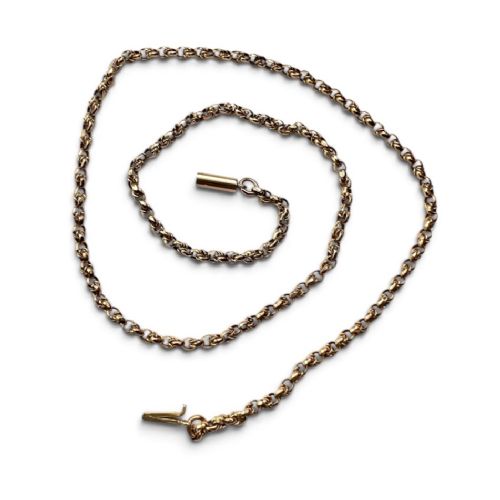
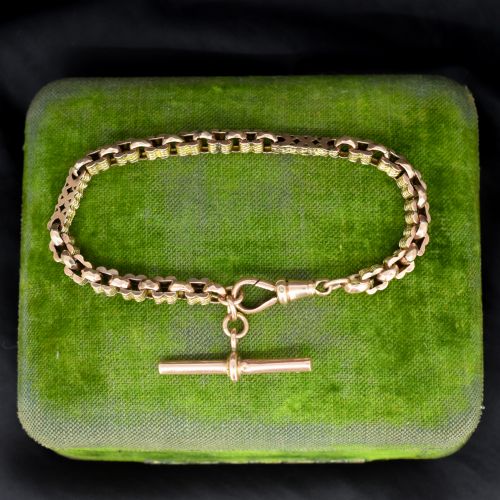
Goldsmiths worked with nine-carat yellow, rose and white gold to construct links, bezels and mountings. Links for watch chains and charm bracelets were hand-assembled and soldered, incorporating dog clips, T-bars and padlocks.
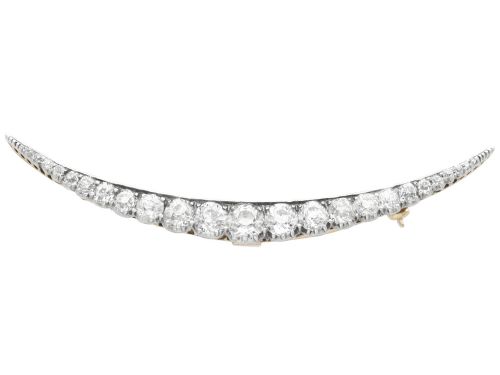
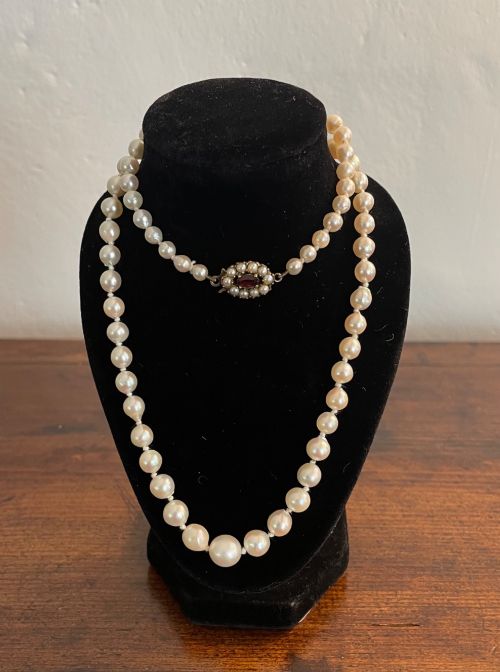
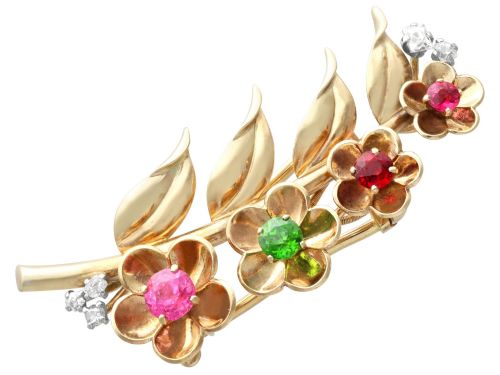
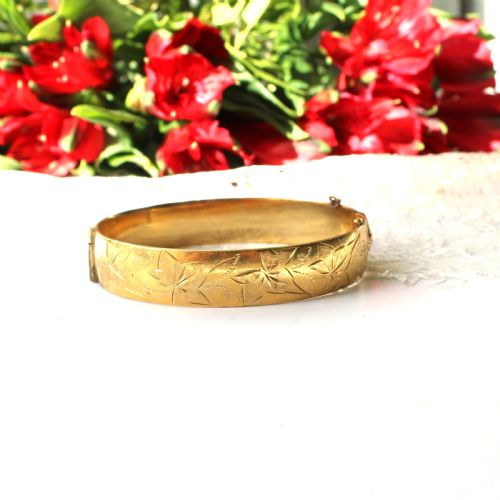
Pendants and brooches display openwork floral and geometric designs, often set with seed pearls, diamonds and coloured stones. Metal core rolled gold techniques also appear, layering gold over a base metal foundation for structural items like bangles.
Engraving and chasing adorned lockets, vesta cases and scent bottles, while stones were held securely in collet or claw settings. Hallmarks stamped into the metal recorded assay offices and dates, verifying the gold standard.
Listings feature periods spanning from the early nineteenth century through the Victorian, Edwardian and Art Deco eras up to the mid-twentieth century.
What varies in quality
The weight and gauge of the metal determine the substance of chains and bracelets, where heavier links command attention. Solid construction in watch chains and charm bracelets ensures longevity against daily wear at the clasp and dog clip.
Artisanal execution in openwork floral pendants and engraved lockets separates standard production from finer work. The choice and matching of gemstones, such as peridot, amethyst and garnet, influence the overall character of gem-set rings and brooches.
The clarity of hallmarks and maker stamps provides verifiable origin, while the retention of original components like T-bars and safety chains preserves historical integrity.
Murrle Bennett·Cartier·Deakin & Francis
The Antique 9ct Gold Glossary
- Albert chain
- A pocket watch chain designed to be worn across a waistcoat or fashioned into a necklace. These chains feature distinct link patterns such as curb, trombone or love knot designs.
- Dog clip
- A spring-loaded clasp used to secure watch chains and bracelets to a T-bar or ring. They provide a functional closure found on Victorian and Edwardian wristwear.
- Rolled gold
- A material formed by fusing a sheet of gold to a base metal core under heat and pressure. This technique created durable items with a gold exterior without using solid precious metal throughout.
- Spinning fob
- A pendant containing a rotating stone or seal, often mounted on a swivel frame. Carnelian, bloodstone and intaglio stones were commonly used in these rotating mounts.
- Vesta case
- A small pocket container designed to hold matches, typically decorated with engraved patterns. They feature hinged lids and sometimes incorporate mixed metals like silver and gold.
Antique 9ct Gold: Frequently Asked Questions
How do I date a 9ct gold chain?
Dating relies on examining hallmarks stamped directly onto the metal, which indicate the assay office and year of manufacture. Stylistic details such as curb link geometry and the presence of original dog clips or T-bars also offer chronological clues.
Edwardian and Victorian examples often display distinct link patterns that help narrow down their period of creation.
Were 9ct gold chains worn by men or women?
Albert chains and watch chains were initially worn predominantly by men to secure pocket watches to waistcoats. Over time, these heavy link pieces were adapted into necklaces and bracelets worn across genders.
Today, antique watch chains function widely as necklaces or wrap bracelets.
What gemstones appear in antique 9ct gold jewellery?
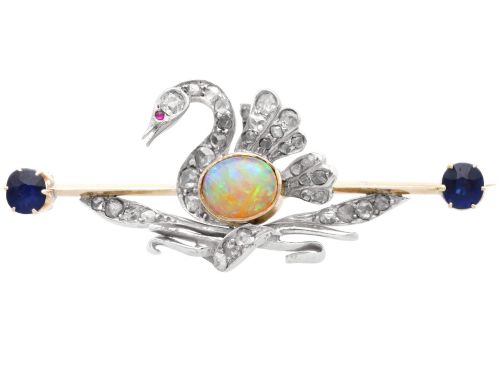
Common stones include peridot, amethyst, garnet, turquoise and seed pearls, often arranged in floral or cluster motifs. Diamonds, sapphires and rubies also decorate brooches and rings from the Victorian and Edwardian periods.
These gems were typically bezel set or claw set into yellow or rose gold mountings.