
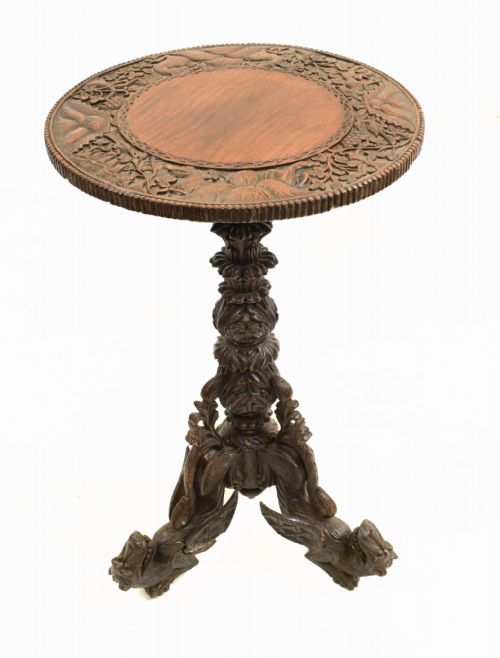


Anglo Indian Teak Stand
These pieces known as an anglo indian teak stand combine British colonial utility with intricate regional carving, bringing substantial timberwork into a room.
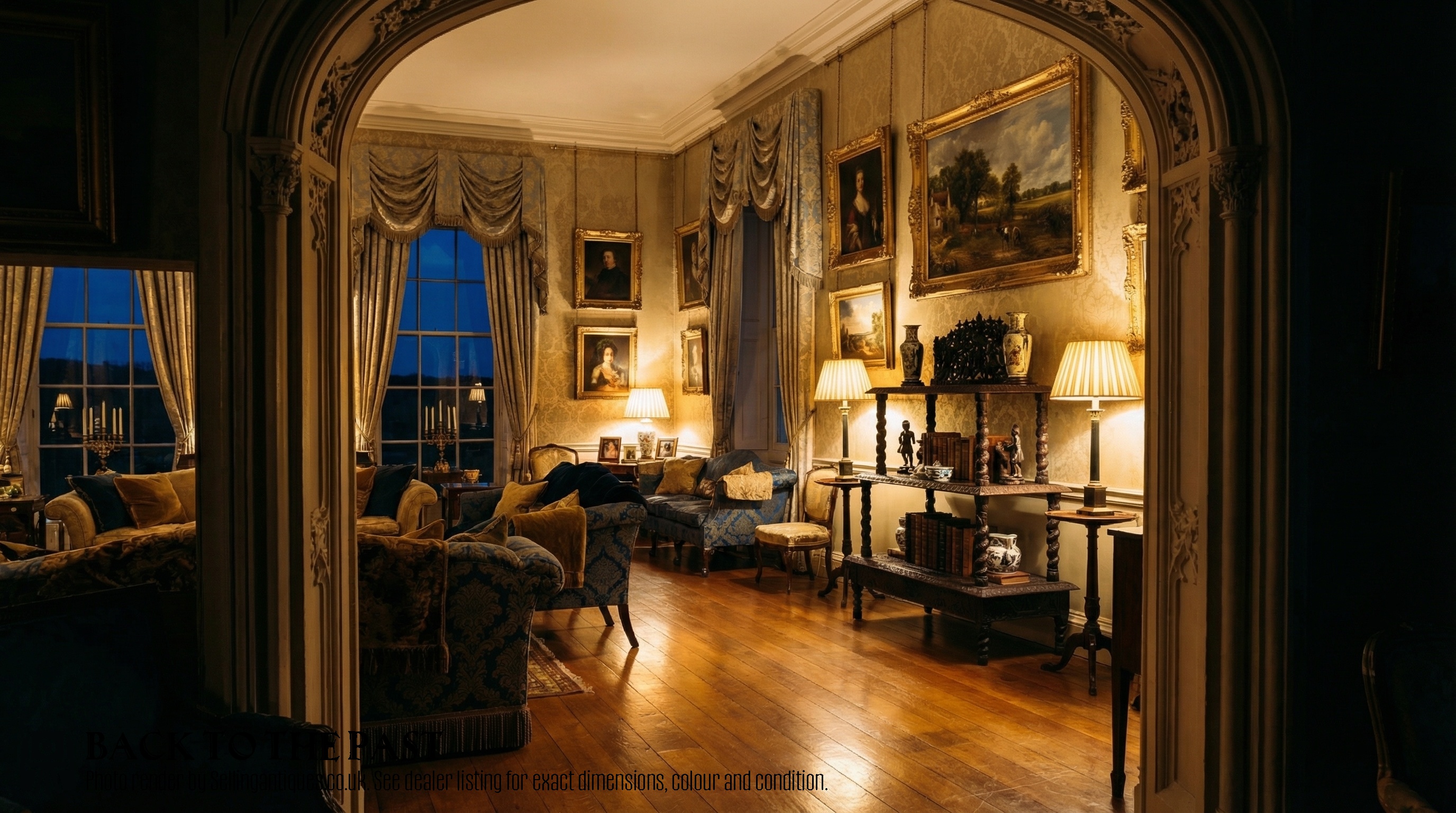
Anglo Indian Teak Stand
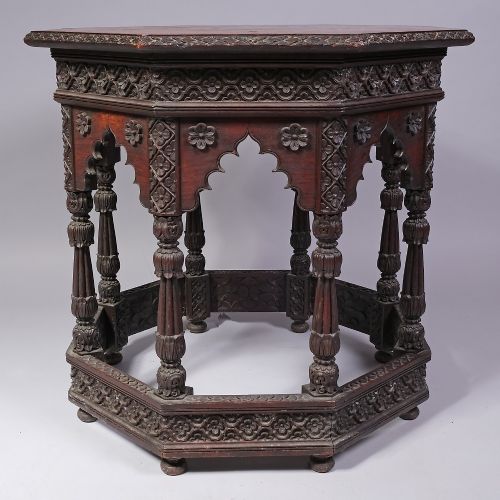
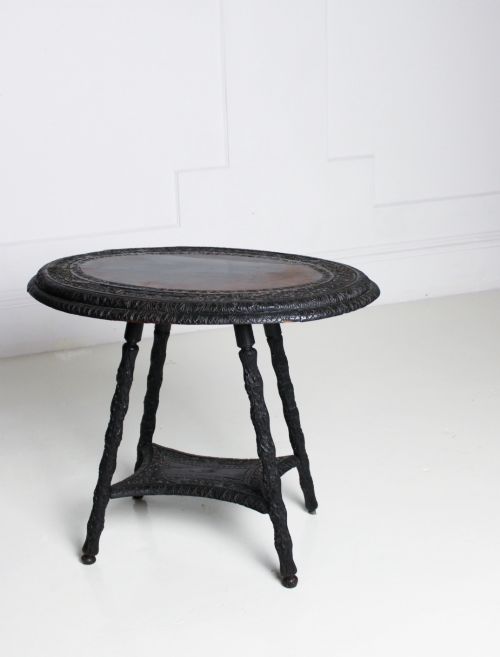
An anglo indian teak stand covers a diverse group of functional furniture created during the nineteenth and early twentieth centuries, including folding book rests, plant stands, coat stands, and occasional tables. The selection ranges from Victorian examples down to pieces dated around 1930, reflecting decades of cross-cultural design between Britain and South Asia.
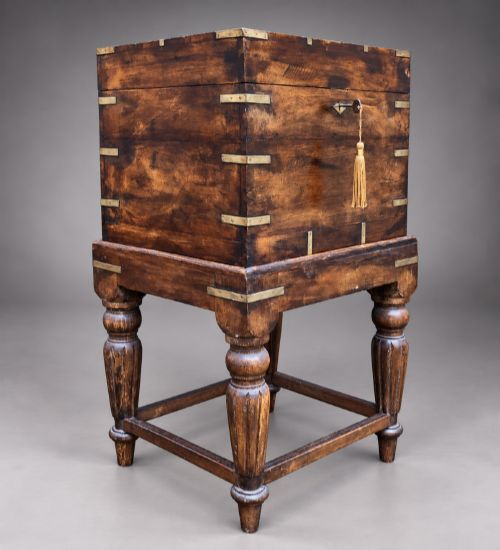
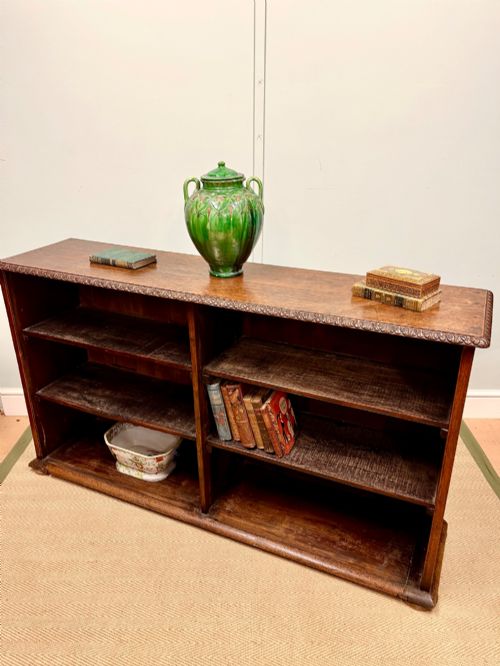
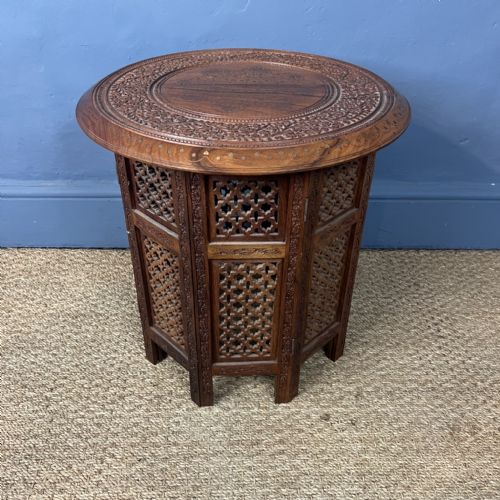
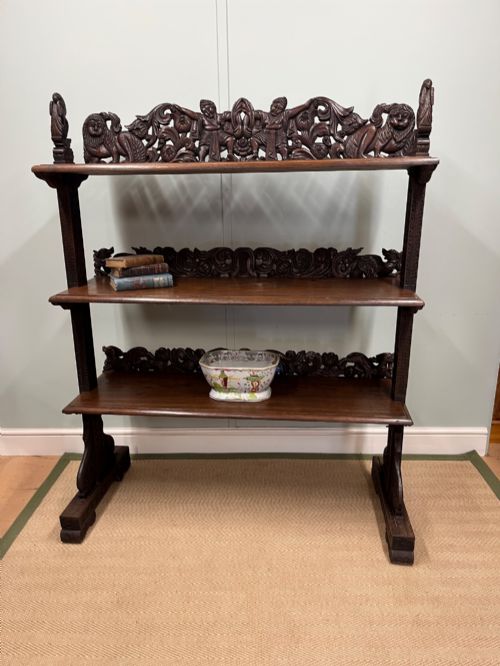
Octagonal tables and folding occasional pieces appear most frequently in the current selection, often featuring carved animal motifs or geometric patterns. Alongside these smaller items, larger utility forms such as bookcases, cellarettes, and tiered buffets demonstrate the versatility of colonial cabinet-making.
Materials and technique
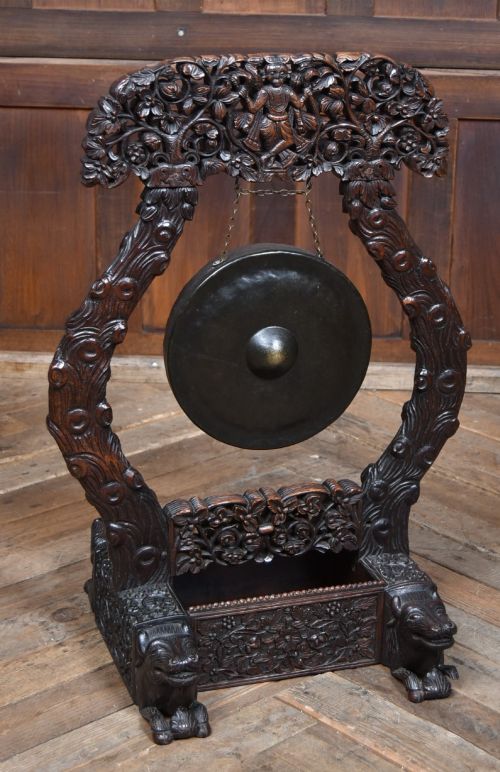
Teak and hardwood provide the structural foundation for these objects, chosen for their density and durability in tropical and domestic environments alike. Artisans shaped these timbers using deep relief carving, creating dense floral and figurative patterns across table tops and support columns.
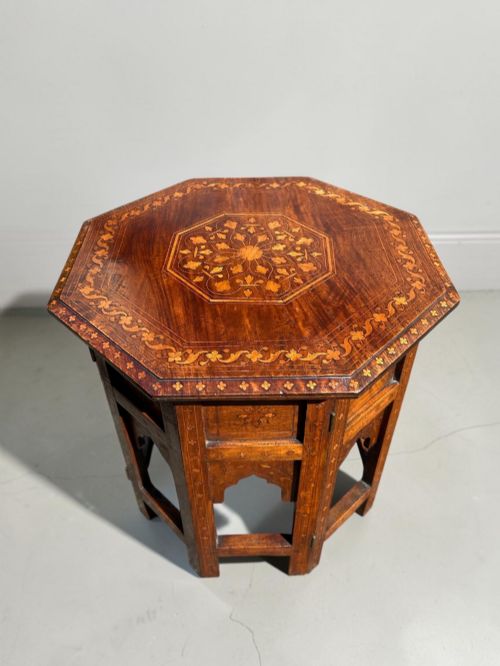
Contrasting materials elevate the visual complexity of the woodwork, with brass, bone, and rosewood inlaid directly into the teak surfaces. Folding mechanisms and modular sections also demonstrate clever engineering designed for transport during the colonial era.
Several tables feature carved elephants holding up the top with impressive determination.
Assessing the work
The depth and crispness of the hand carving dictate the distinction between standard production and exceptional craftsmanship. Superior examples display sharp undercutting in the foliage and figures, whereas simpler items rely on shallow surface incisions.
The precision of the inlay work and the structural stability of folding joints further separate ordinary items from finer creations. Integration of contrasting bone and brass requires exact fitting into the dense hardwood base to endure centuries of use.
The Anglo Indian Teak Stand Glossary
- Hoshiarpur
- A stylistic designation originating from Punjab, known for dense geometric bone and brass inlay on teak surfaces. Pieces from this tradition utilise interlocking patterns to cover every available inch of wood.
- Elephant table
- A low occasional table whose pedestal or support is carved in the form of an elephant, commonly associated with the Bombay presidency. These items showcase figurative carving alongside standard foliage motifs.
- Campaign
- Furniture designed for easy transport and assembly, frequently incorporating folding legs or removable trays. This portable style suited officials moving across the British Empire.
- Cellarette
- A lockable container designed for holding bottles, often elevated on a dedicated stand. These units secured valuable wines and spirits within domestic settings.
- Buffet
- A multi-tiered shelving unit used for display or serving in dining rooms and parlours. These heavy pieces utilise upright teak supports to divide the horizontal surfaces.
Anglo Indian Teak Stand: Frequently Asked Questions
What is an anglo indian teak stand?
An anglo indian teak stand is a piece of furniture made in South Asia during the colonial period for British and international markets. It merges traditional local craftsmanship with European furniture forms.
These items encompass everything from small reading stands and occasional tables to umbrella holders and plant pedestals. The category relies heavily on durable teak timber and decorative carving.
How do I date these pieces?
Dating relies on examining the construction methods, materials, and stylistic cues present in the woodwork. Pieces range from the nineteenth century through the Victorian era up to the nineteen thirties.
Victorian and late nineteenth-century examples often display deeper relief carving and heavier construction. Items from the early twentieth century occasionally incorporate simpler geometric inlays and lighter framing.
How were these stands used originally?
Colonial officials and merchants utilised these stands for everyday domestic tasks, reading, serving tea, and displaying ornaments. Their transportable nature made them practical for households relocating frequently.
Specialised forms, such as scholar reading pedestals and book slides, served specific study needs. Larger versions functioned as hall furniture for coats and walking sticks or as dining room sideboards.
How do I care for teak furniture?
Teak is a robust and oily timber that requires minimal intervention to maintain its structural integrity. Regular dusting with a dry cloth prevents dirt accumulation within the deep carvings.
Avoid placing these items near direct heat sources or rapid temperature shifts to protect the inlaid bone and brass elements. Natural waxes can be applied sparingly to nourish the hardwood surface.
What defines Hoshiarpur style?
The Hoshiarpur style is characterised by extensive inlay work using bone and brass set into a dark teak or hardwood background. The motifs generally consist of intricate geometric patterns and scrolling foliage.
This technique covers entire table tops, folding stands, and occasional furniture without leaving bare wood exposed. The high density of the inlay creates a striking contrast against the grain of the timber.