


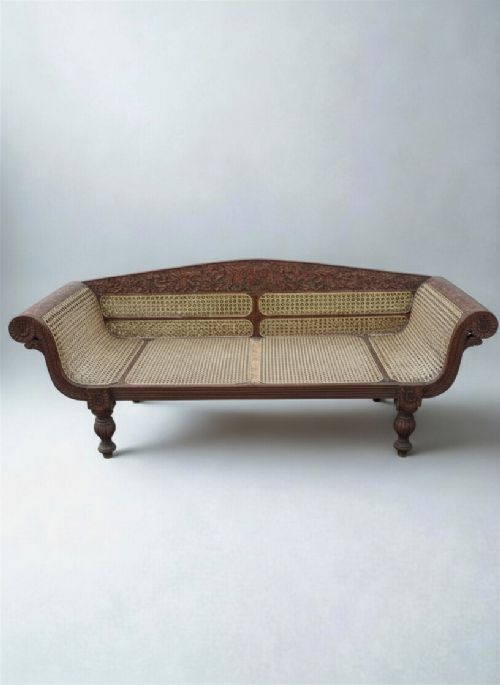


Anglo Indian Sofa
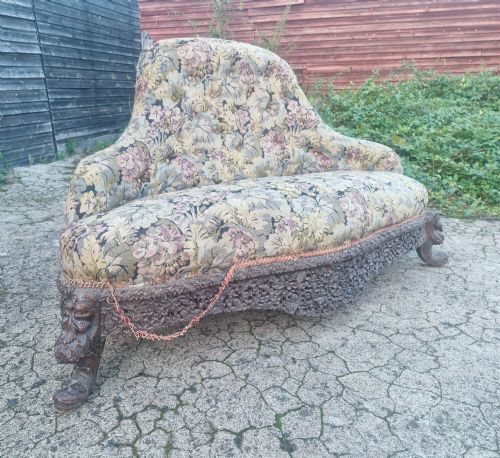
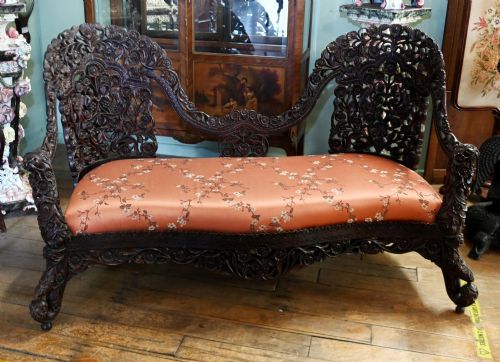
An anglo indian sofa brings colonial craftsmanship into a room, offering deep seating carved from dense tropical timbers.
Anglo Indian Sofa
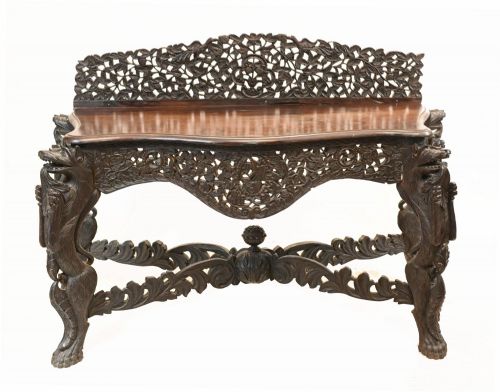
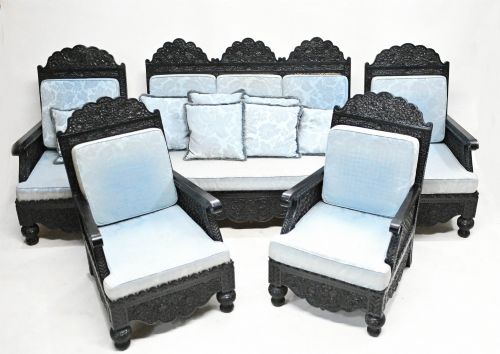
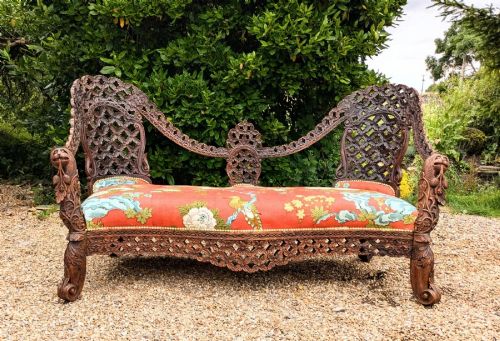
When you search for an anglo indian sofa, you are looking at nineteenth-century seating that merges British forms with traditional Indian and Ceylonese carving techniques. These pieces appear in styles such as Anglo-Indian, Anglo-Indian Colonial, and Anglo-Burmese, reflecting the diverse workshops of the subcontinent.
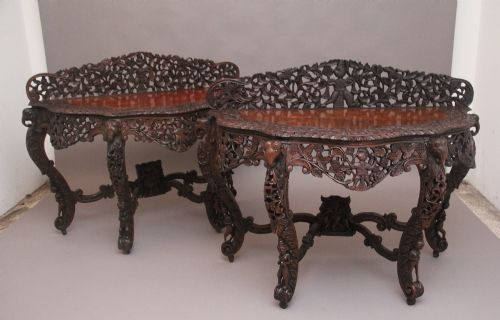
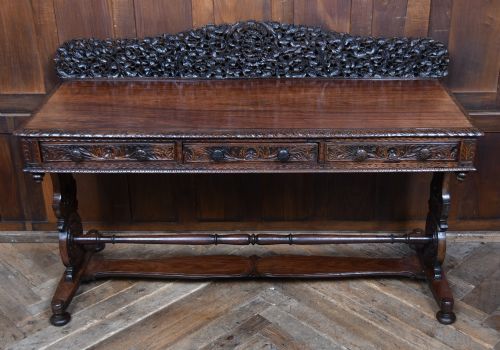
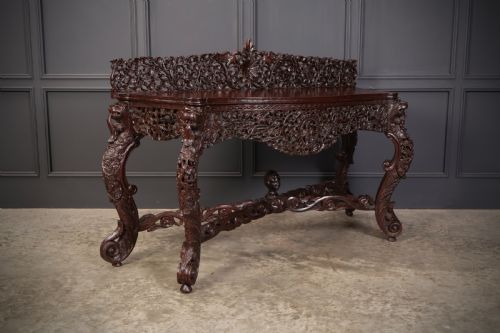
The selections on this page include robust daybeds, scroll back benches, and cane-seated settees. Alongside these seating forms, you will occasionally encounter related colonial furniture like console tables and side tables in matching timbers.
Most examples date across the nineteenth century, from the Victorian era down to the 1880s and 1890s. The forms range from simple caned daybeds to heavily carved frames designed for grand colonial verandahs.
Materials and construction
These items rely heavily on durable tropical hardwoods such as teak, padouk wood, rosewood, and ebony. Workshops utilised these dense timbers to support intricate hand-carved relief work without compromising the structural integrity of the frame.
Cane panels and traditional upholstery frequently appear on the seating surfaces to combat warm climates. Skilled artisans wove natural cane tightly into the wooden rails, creating resilient bases for daybeds and settees.
Anglo Indian Sofa Retail Price Guide 2026
Typical asking prices for anglo indian sofa among the pieces listed under this phrase on Sellingantiques today, from the lower quarter to the upper quarter. They describe what is for sale here now, not the wider market.
Listings feature nineteenth-century dates, including specific years like 1820, 1840, 1860, 1880, 1890, and the broader Victorian period.
Judging the work
The depth and clarity of the hand-carving separate standard regional production from exceptional cabinet work. Crisp floral motifs, clean scrollwork, and tightly fitted joints indicate the hand of a master carver rather than mass workshop output.
The choice and condition of the primary timber also dictate the caliber of the piece. Dense padouk and richly grained rosewood retain their structural strength and patination far better than softer secondary woods.
The Anglo Indian Sofa Glossary
- Padouk wood
- A dense, heavy tropical timber prized for its reddish-brown colour and stability. It provides a robust foundation for intricate carved furniture.
- Caned settee
- A long wooden seat featuring woven cane panels on the back or base. This technique allowed for cool seating in warm colonial climates.
- Scroll back bench
- A seating form featuring outward-curving wooden arms or backrests reminiscent of classical scrolls. This style was popular during the Victorian period.
- Ceylonese
- Pertaining to furniture made on the island of Ceylon, now Sri Lanka, known for distinct regional carving styles. These pieces often utilise local hardwoods.
Anglo Indian Sofa: Frequently Asked Questions
How were these sofas used?
Colonial residents utilised these settees and daybeds on shaded verandahs and in large reception rooms to keep cool during warm weather.
The inclusion of cane work and deep seating formats made them practical for lounging in tropical climates.
How do I care for cane and hardwood?
Keep wooden frames nourished with appropriate furniture wax and avoid placing cane in direct sunlight or dry heat, which can cause it to snap.
Regular dusting with a soft cloth will preserve the intricate hand-carved details without damaging the patinated surface.
How can I tell the period?
You can date these items by examining the timber density, tool marks left by the carvers, and the specific silhouette of the frame, such as Victorian scroll backs.
Earlier examples often display finer, deeply undercut relief carving, while later nineteenth-century pieces may incorporate different stylistic influences.