
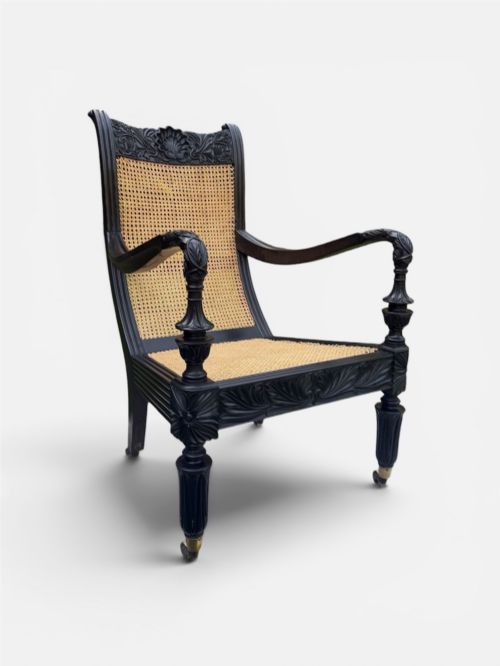


Anglo Indian Lounge Chair
An anglo indian lounge chair offers deep relaxation through reclining forms and extending arms, shaped by colonial history.
Anglo Indian Lounge Chair
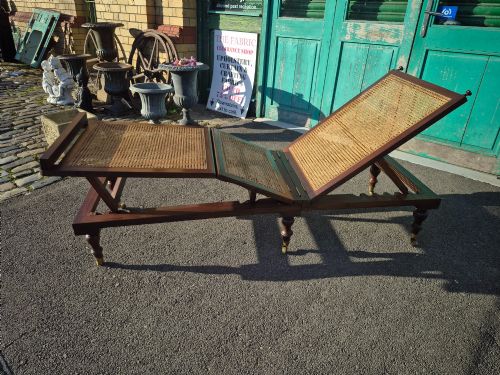
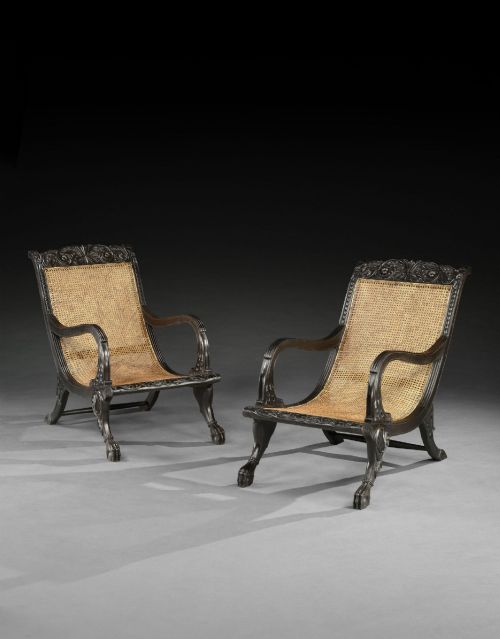
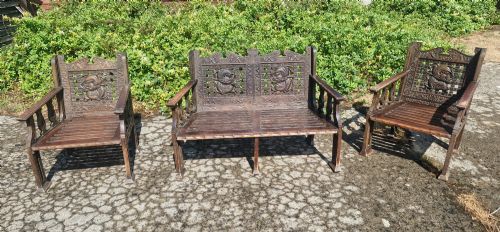
When you search for an anglo indian lounge chair, you encounter seating designed for comfort in warm climates during the colonial era. The selection centres on plantation chairs, daybeds, and seating suites created for colonial residences.
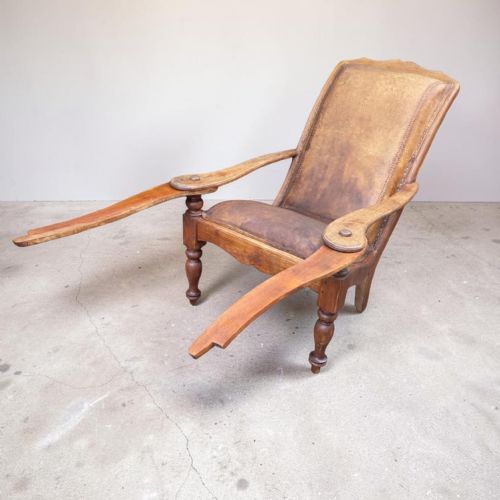
You are most likely to meet 19th-century examples shaped from dense tropical timbers. These forms incorporate reclining backs and extending arms designed for resting feet.
The objects span individual armchairs to large conservatory suites and daybeds. They reflect the craft traditions of regions such as Ceylon, Burma, and Bombay.
How they were made
Maker workshops utilised durable tropical hardwoods including teak, ebony, padauk, and rosewood. These timbers provided the structural strength required for substantial reclining frames and extending arm mechanisms.
Cane and rattan panels were woven into seats and backs to allow air circulation in tropical environments. Artisans also incorporated brass hardware and fitted original leather squabs or upholstery fabrics.
Extending arms double as footrests, proving that colonial lounging was a serious engineering discipline.
What varies in quality
The distinction between standard examples and superior pieces rests upon the crispness of carved detail and the selection of timber. Dense, finely figured woods such as solid ebony or carved Bombay rosewood indicate higher workshop standards.
Structural complexity also separates the range, notably the inclusion of intricate extending arm mechanisms and integrated footrests on plantation chairs. Intact cane work and original leather upholstery further elevate an individual piece.
The Anglo Indian Lounge Chair Glossary
- Planplantation chair
- A large seating form featuring extended arms designed to double as footrests. This type emerged in colonial bungalows for resting in a reclined posture.
- Cane
- Woven material derived from rattan palms used for seat and back panels. It provided cool ventilation in warm climates.
- Padauk
- A heavy tropical hardwood valued for its rich reddish colour and durability. Makers utilised it for colonial settees and armchairs.
- Campaign style
- Portable furniture designed for easy transport by military officers or administrators. These pieces often feature folding or dismantling elements.
Anglo Indian Lounge Chair: Frequently Asked Questions
What is a plantation chair?
A plantation chair is a large colonial armchair featuring long extending arms that function as footrests. These seats were built for reclining in warm climates.
They often include cane panels and adjustable backs to maximise comfort.
How do I care for cane seating?
Cane panels require gentle dusting and occasional light moisture to prevent the natural fibres from becoming brittle. Keep them away from direct heat sources.
Avoid placing excessive weight on the centre of woven panels without proper support.
Are these chairs comfortable for daily use?
Many examples are designed with deep seats and reclining backs for extended resting. Adding appropriate cushions enhances daily comfort.
The extending arms provide a natural place to elevate the legs.
What woods were used?
Makers utilised dense tropical timbers suited to colonial cabinetmaking. Common materials include teak, ebony, padauk, and rosewood.
These heavy woods ensured the large reclining frames remained stable.