


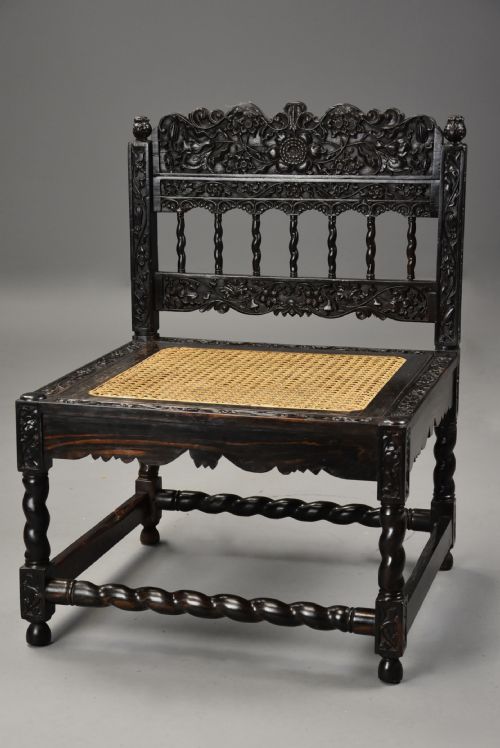


Anglo Indian Carved Seat
An anglo indian carved seat brings dense tropical hardwoods and intricate traditional carving together into striking colonial forms.
Anglo Indian Carved Seat
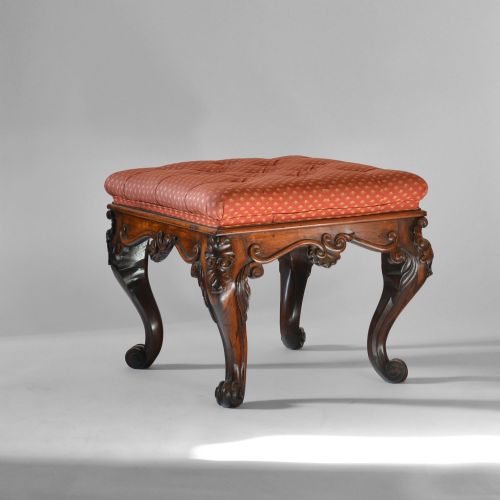
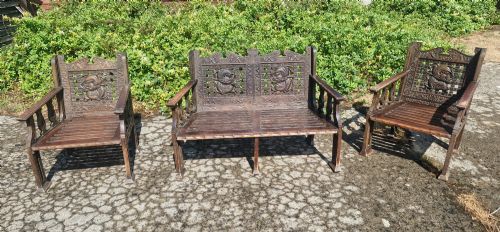
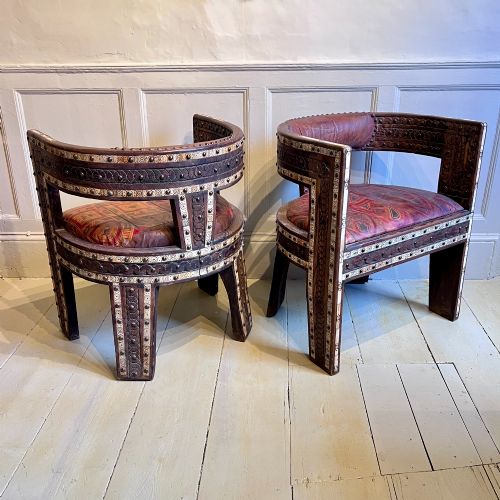
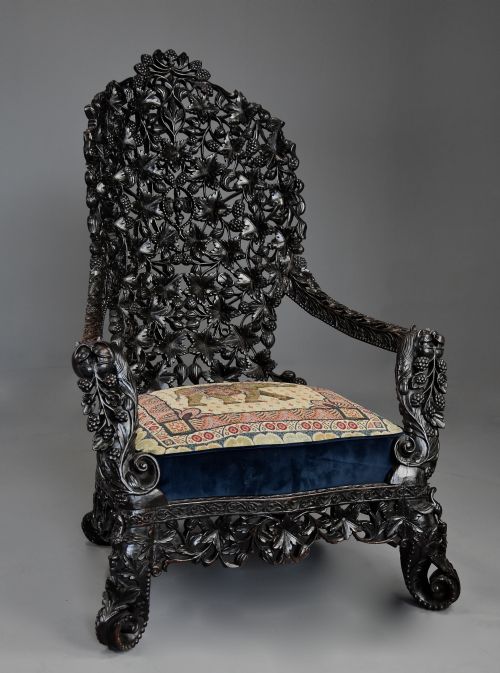
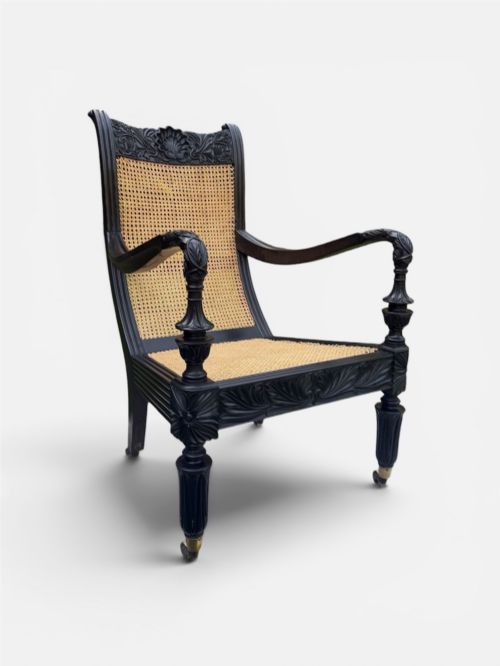
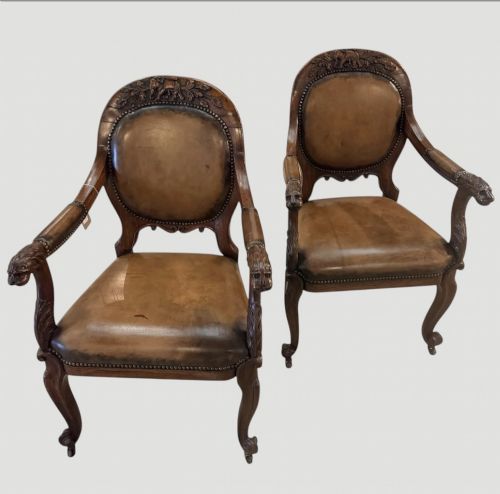
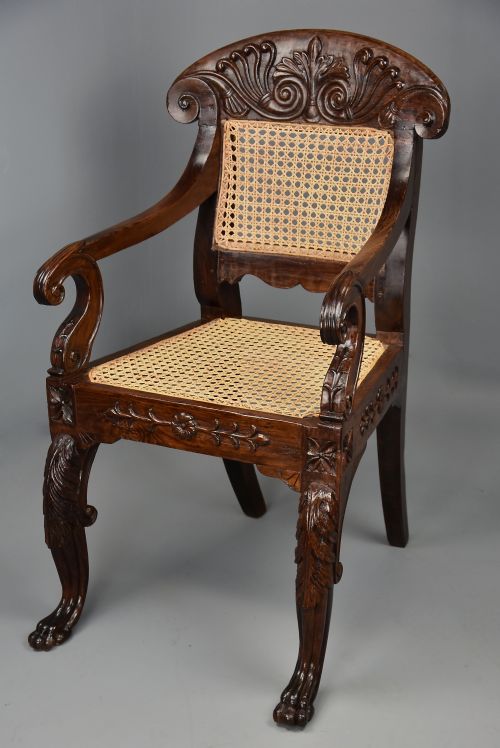
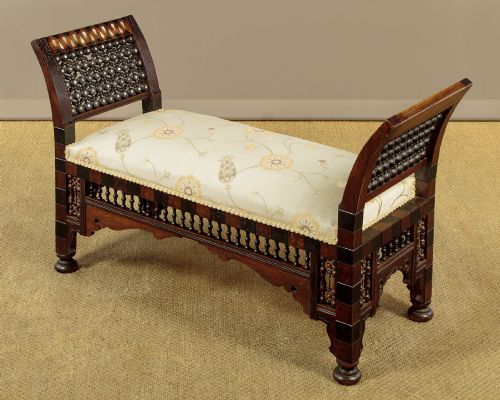
An anglo indian carved seat encompasses everything from library armchairs and side chairs to window seats, benches, and larger seating suites. These pieces emerge primarily from the nineteenth century, including Victorian, Regency, and Raj periods, reflecting British tastes intersecting with South Asian craftsmanship.
The most common formats on this page are armchairs and side chairs constructed from rich timbers. Makers produced these furnishings for colonial residences, utilising local hardwoods and incorporating regional carving traditions into European chair patterns.
Materials and Techniques
Artisans built these seats using dense tropical timbers such as rosewood, teak, padouk, ebony, and satinwood, often pairing the structural wood with cane panels, leather upholstery, or brass details. Bone and pearl inlays appear on specific regional examples to create striking surface contrast.
Joinery and deep relief carving define the construction, with craftsmen chiselling floral scrolls, figures, and geometric patterns directly into the solid timber. Turning and folding mechanisms also appear in specialised forms like campaign and veranda seating.
A stoic carved elephant occasionally supports a window seat, ready to shoulder the weight of Victorian readers.
Distinctions in Execution
The depth, crispness, and continuity of the hand carving separate standard pieces from exceptional examples. Superior work displays sharp undercut foliage and figures with clear detail that remains consistent across the entire frame.
The choice and density of the primary timber also dictate quality. Solid ebony, heavily grained rosewood, and substantial padouk command attention through their weight and finished lustre, whereas lesser pieces utilise lighter secondary woods.
The Anglo Indian Carved Seat Glossary
- Padouk
- A heavy, durable tropical hardwood with a reddish brown colour that darkens with age. It holds fine detail exceptionally well in carved furniture.
- Cane
- Woven rattan peel utilised for chair seats and backs to provide cool flexibility. This material suited warm colonial climates.
- Porcupine
- A style designation referencing specific Ceylonese furniture decorated with dense arrays of quills or pegged wooden spindles. These elements create a distinctive textured surface.
- Coromandel Coast
- A southeastern region of India historically renowned for dense ebony furniture production during the seventeenth century and onward.
Anglo Indian Carved Seat: Frequently Asked Questions
How do I identify an Anglo-Indian chair?
Look for the combination of European seating forms, such as Regency library chairs or Victorian armchairs, executed in dense tropical timbers like rosewood, teak, or ebony. The frames feature deep, intricate hand carving that reflects South Asian decorative traditions.
Examination of the timber weight and construction methods often reveals regional workshop practices distinct from standard domestic British production of the same period.
Where were these seats originally used?
These furnishings were produced for British officials, merchants, and local elites residing in colonial homes, hill stations, and administrative offices across South Asia. Verandas, study rooms, and drawing rooms accommodated everything from folding campaign chairs to large ceremonial thrones.
Many pieces were subsequently brought back to Britain as colonial officers returned home, establishing a distinct taste for imported exotic woodwork.
How should I care for tropical hardwood furniture?
Maintain stable indoor humidity levels to prevent timber from splitting or shrinking over time. Avoid placing these pieces in direct sunlight or near heat sources that might dry out the dense woods and aged finishes.
Dust the intricate carved areas regularly with a soft brush and apply appropriate wax sparingly to preserve the natural lustre of woods like rosewood and teak.
What is a plantation chair?
A plantation chair is a specialised seating form featuring extended, flat armrests designed for resting the legs. These chairs were built to maximise comfort and air circulation in hot tropical climates.
They frequently incorporate teak or cane and reflect the practical adaptations developed by colonial cabinetmakers.