






Anglo Ceylonese Furniture
Anglo Ceylonese furniture brings together nineteenth century tropical hardwoods and intricate local carving traditions.
Anglo Ceylonese Furniture
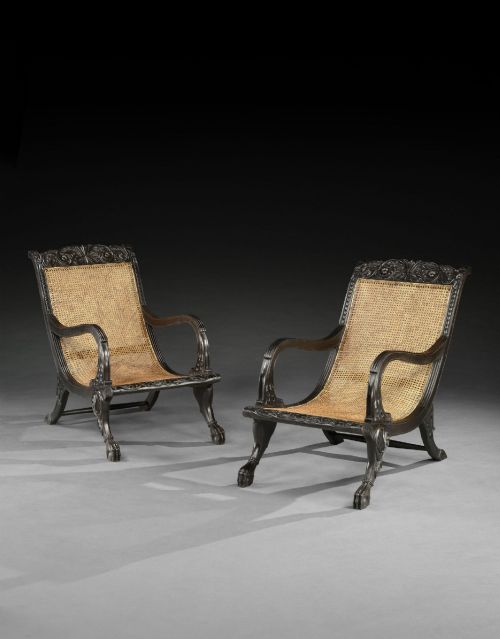
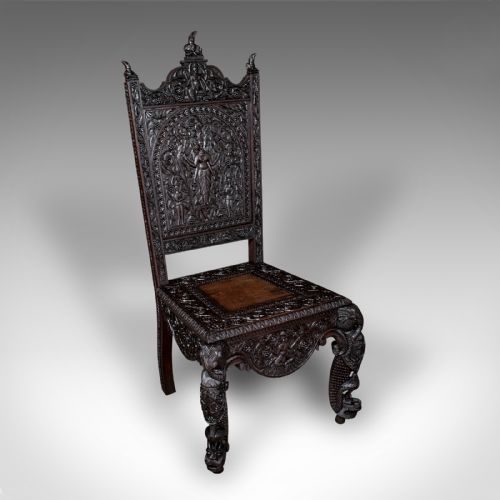
Anglo Ceylonese furniture represents colonial craftsmanship from the nineteenth century, combining European forms with local Sri Lankan woodcarving. When exploring Anglo ceylonese furniture, buyers encounter items produced during the Victorian period for both expatriate homes and export.
Makers utilised dense native timbers to construct robust frames that accommodated elaborate surface decoration. These objects reflect the exchange of design ideas between British occupants and indigenous artisans.
Materials and construction
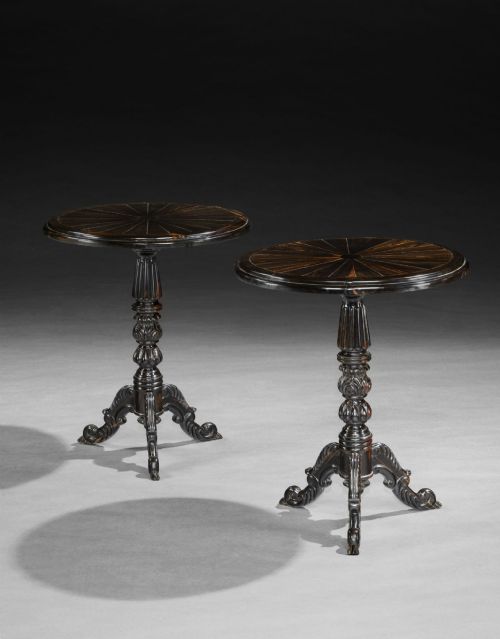
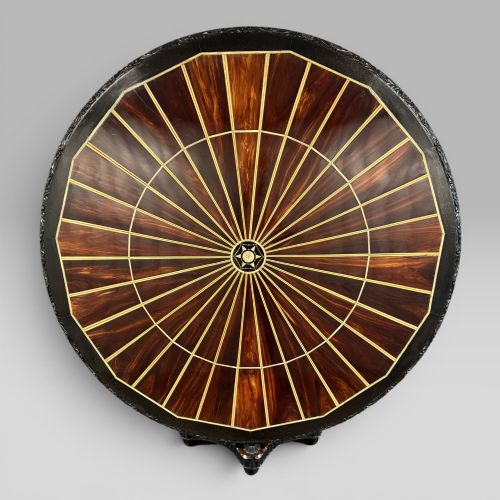
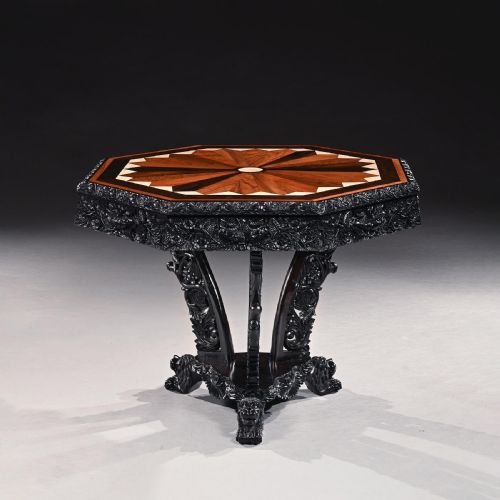
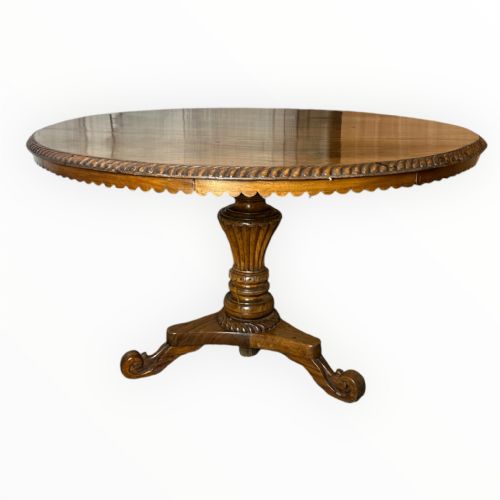
Ebony and satinwood dominate the construction, often paired with teak, calamander and exotic specimen woods. Artisans turned solid timber and applied intricate relief carving to structural elements and table tops.
Cane panels and woven seats appear frequently in seating to provide ventilation in tropical conditions. Bone inlays and brass fittings complement the dark grain of the primary woods.
Listings feature nineteenth century forms including etageres, porcupine sofas, and tripod tables fashioned from solid ebony and satinwood.
Distinctions in quality
Depth and precision of the carved detail separate standard production from superior examples. Crisp execution in hard ebony indicates skilled hand work rather than hasty output.
The choice of secondary timbers and the integrity of the joinery influence the overall standard. Selection of highly figured satinwood or varied specimen woods elevates a piece.
The Anglo Ceylonese Furniture Glossary
- Ebony
- A dense, dark heartwood prized for its fine grain and ability to hold crisp carved detail. It forms the primary structure of many tables and chairs.
- Satinwood
- A luminous hardwood with a golden yellow colour and reflective grain pattern. Makers utilised it for contrasting panels and solid construction.
- Cane
- Plant material woven into open mesh patterns for seat backs and panels. It offered practical comfort in warm colonial environments.
- Specimen wood
- Various native and exotic timbers arranged in geometric patterns or tabletops. This technique showcased the diversity of local forests.
Anglo Ceylonese Furniture: Frequently Asked Questions
What is Anglo Ceylonese furniture?
These pieces are nineteenth century furnishings made in Ceylon, now Sri Lanka, during the British colonial period. They combine European furniture shapes with traditional local woodcarving.
Craftsmen used regional timbers like ebony and satinwood to build items ranging from centre tables to veranda chairs.
How do I care for satinwood?
Keep wooden surfaces away from direct sunlight and steady temperature fluctuations to prevent timber movement. Dust regularly with a dry cloth and apply wax sparingly.
Avoid placing wet items directly onto polished tabletops to protect the historic finish.
Where were these items made?
Workshops across Ceylon produced these furnishings during the nineteenth century, with specific regional centres like Galle known for distinct production. British commissioners and local craftsmen collaborated on the designs.
Export trade brought many examples to Britain during the Victorian era.