
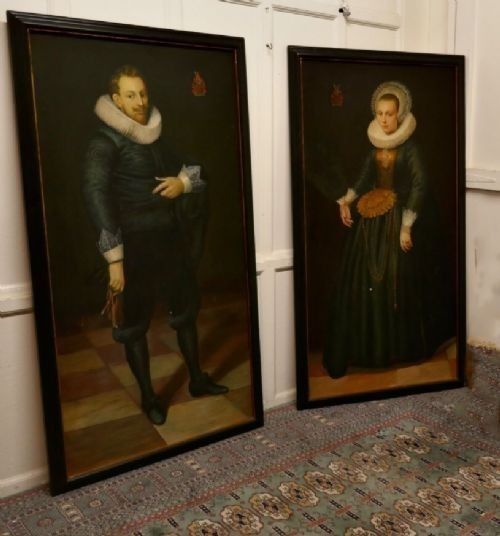
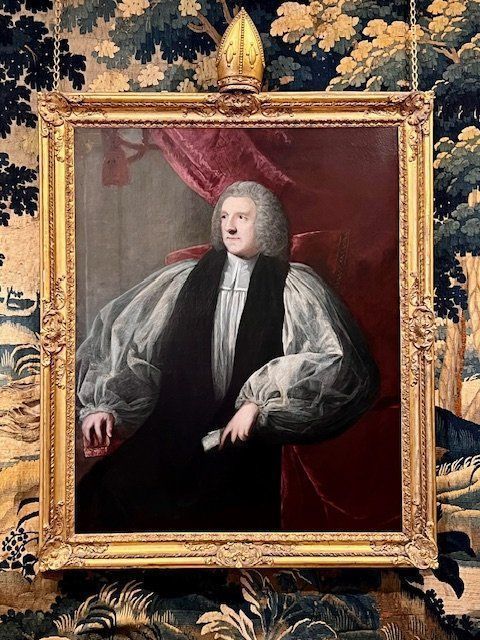
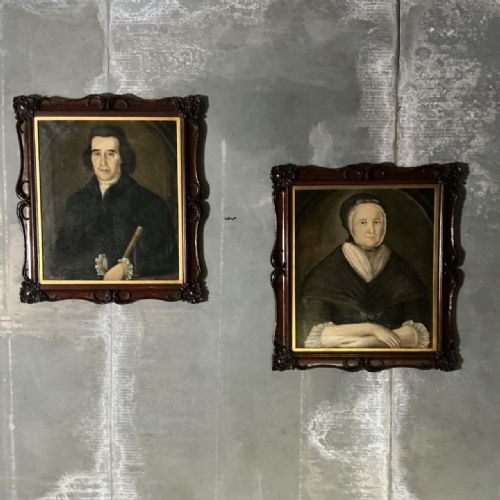
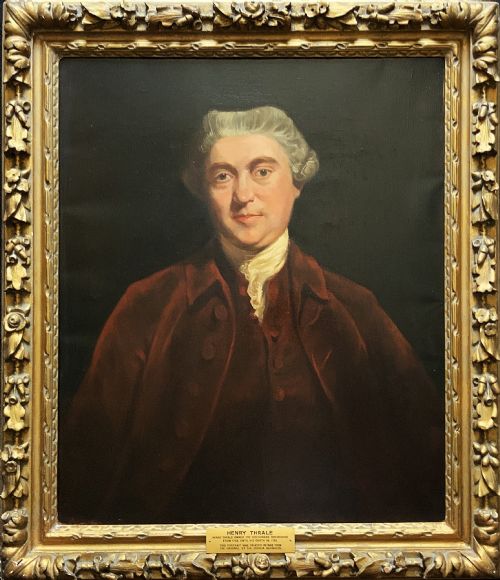


Ancestral Portrait Wall Art
Ancestral portrait wall art brings historical presence and character into a room through oil paintings and framed scrolls spanning several centuries.
Ancestral Portrait Wall Art
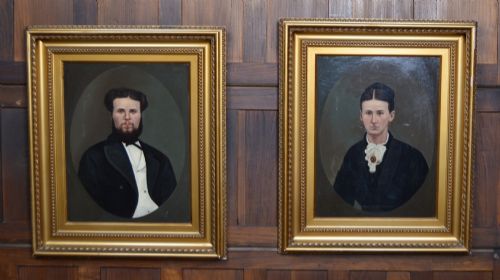
When you search for ancestral portrait wall art, you encounter oil paintings, portrait paintings, and framed scrolls depicting historical figures, couples, and family members. These works serve as a direct visual link to past centuries, capturing the likeness and attire of individuals from various eras.
The versions you are most likely to meet on this page span the eighteenth century, the nineteenth century, the Regency period, and the early twentieth century. Many of these pieces appear in pairs, such as matching portraits of a lady and gentleman, or as individual depictions of notable figures.
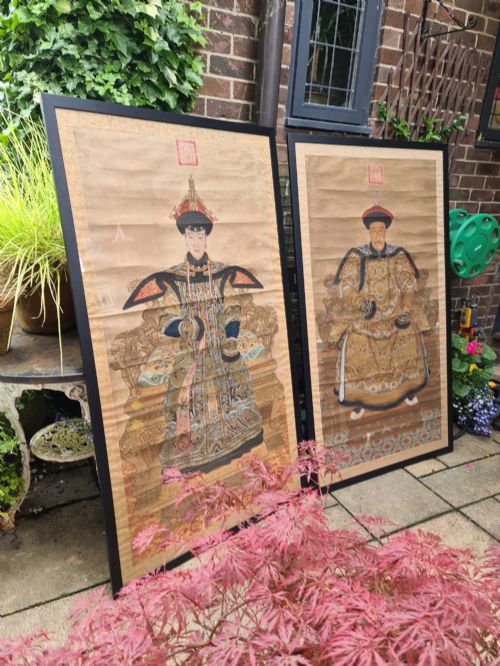
Origins represented in these listings range from British and Dutch schools to Chinese ancestral scrolls and Qing dynasty style works. Each piece offers a distinct cultural perspective on portraiture, reflecting the artistic conventions and social standing of its original commissioning period.
Assessing quality
Quality in these portraits rests on the fidelity of the brushwork and the psychological depth captured in the subject's expression. Master works demonstrate a precise handling of light and shadow on textiles and skin, whereas lesser examples rely on formulaic repetition.
The preservation of the original canvas, oil paint, and associated giltwood frame influences the standing of a piece. Intact frames with original gilding and canvases retaining their structural tension represent the upper end of the range.
Listings feature works spanning the eighteenth century, Regency period, nineteenth century, and early twentieth century.
Sir Joshua Reynolds·Thomas Beach·Cornelis Van Der Voort
The Ancestral Portrait Wall Art Glossary
- Oil on Canvas
- A traditional painting medium where pigments bound in oil are applied to a stretched woven fabric support. This combination allows for rich colour blending and durability over centuries.
- Giltwood
- Wood that has been coated with a thin layer of gold leaf or gold paint for decorative effect. It frequently appears on ornate antique frames.
- Gesso
- A paint mixture consisting of a binder mixed with chalk, gypsum, or pigment, used as a preparation surface for wood or canvas before gilding or painting. It provides a smooth base for gold leaf application.
- Regency
- A British historical period spanning the early nineteenth century, characterised by distinct architectural and artistic styles. Pieces from this era often display specific neoclassical design traits.
- Dutch Golden Age
- A period in Dutch history spanning the seventeenth century wherein art flourished through notable portraiture and realism. Later works frequently emulate the techniques developed during this time.
Ancestral Portrait Wall Art: Frequently Asked Questions
How do I hang heavy framed portraits safely?
Heavy framed portraits require secure fixings into structural wall studs or appropriate masonry anchors to support the combined weight of the wood, canvas, and giltwood frame safely.
Positioning the painting at eye level ensures the subject's gaze interacts naturally with the room, echoing the traditional manner in which historical portraiture was displayed.
What lighting suits antique oil portraits?
Soft, indirect lighting preserves the integrity of oil paint and giltwood frames while reducing harmful UV exposure over time. Low-heat LED picture lights mounted above the frame illuminate the subtle details of the canvas effectively.
Avoid placing these artworks in direct sunlight, as prolonged exposure fades pigments and damages the underlying canvas or vinyl support.
How do I distinguish eighteenth and nineteenth-century styles?
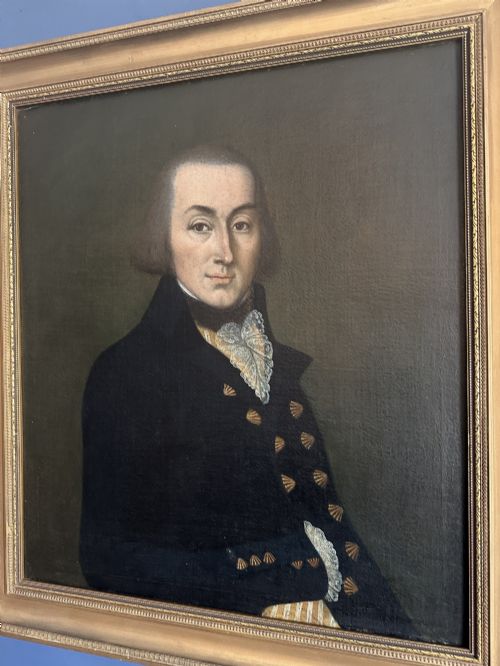
Eighteenth-century portraits frequently exhibit the refined posture and powdered wigs associated with Georgian society, often executed with looser brushwork by established British or Dutch schools. Nineteenth-century examples tend toward greater realism and structured framing, reflecting shifting artistic standards.
Examining the canvas preparation, stretcher bars, and framing materials provides additional clues regarding the chronological origin of the artwork.
Can I mix Chinese ancestral scrolls with European oil paintings?
Pairing Chinese ancestral scrolls with European oil portraits creates a striking dialogue between different cultural traditions of commemoration and heritage. Both forms share a primary function of honouring lineage and preserving familial identity.
Balancing the scale of the framed scrolls with large oil paintings helps maintain visual harmony across a shared wall space.