


Anatolian Wool Area Carpet
An anatolian wool area carpet brings centuries of nomadic weaving traditions into a modern interior.

Anatolian Wool Area Carpet
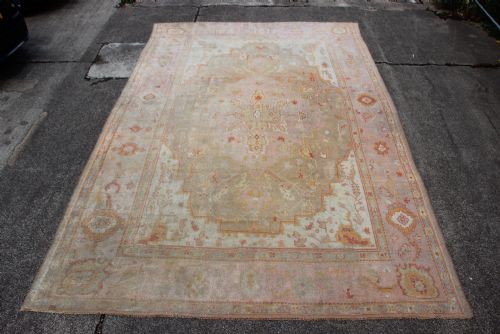
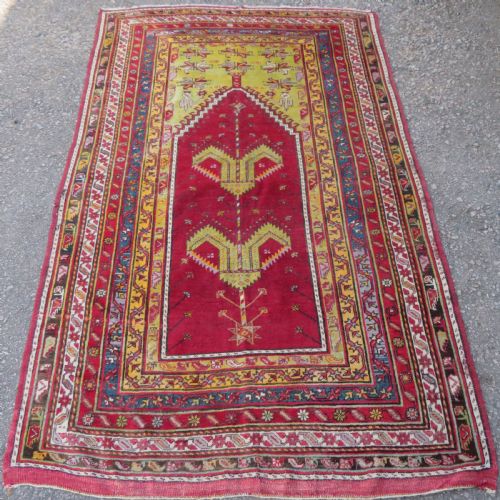
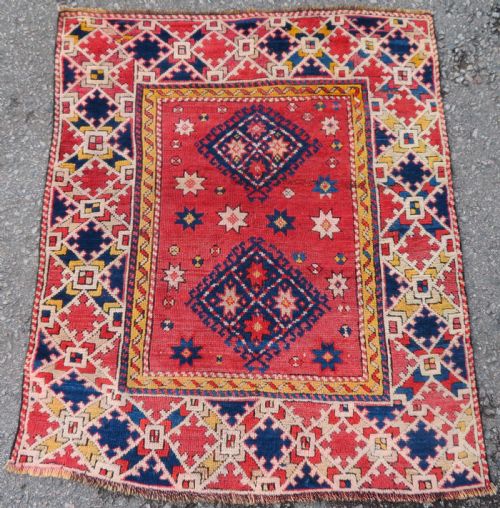
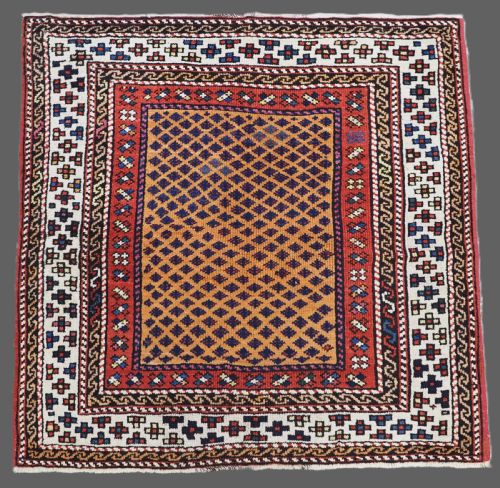
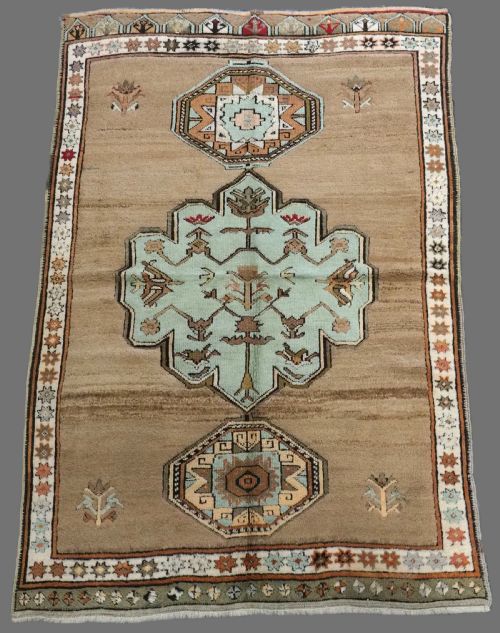
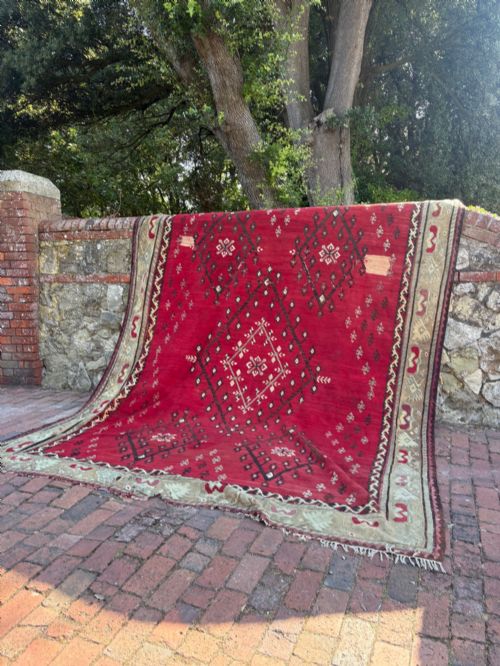
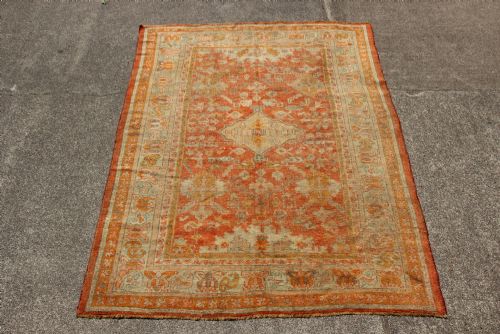
An anatolian wool area carpet comprises hand-woven textiles originating from Turkish weaving centres, ranging from small prayer rugs to large scale carpets. When you search for an anatolian wool area carpet, you encounter historical pieces woven across various regions including Oushak, Bergama, Kirsehir, and Konya.
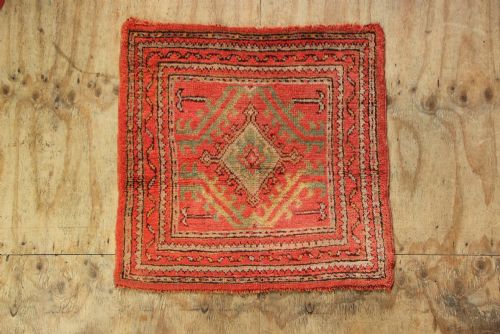
Buyers frequently find large Oushak carpets alongside smaller regional prayer rugs bearing distinct lattice or pictorial motifs. Each piece serves as a functional floor covering that carries the specific stylistic markers of its Anatolian origin.
How they were made
The construction relies heavily on natural sheep wool, hand-spun wool, and cotton foundations that provide structural stability to the pile and flatweave surfaces. Weavers utilised traditional hand-knotting techniques alongside flatweaving methods to create durable textiles intended for daily domestic use.
Dyes derived from natural materials yielded the soft colours, pale blues, and distinctive fields seen across the regional specimens. The combination of hand-spun wool and cotton warps allows these historical floor coverings to maintain flexibility and resilience over generations.
Object forms span large area carpets, square formats, runners, and flatweave kilims.
What varies in quality
Quality in an anatolian wool area carpet relates to the fineness of the knotting and the integrity of the materials employed by the weaver. Finer examples display precise execution of intricate lattice designs and balanced proportions within large formats.
The nuance of the colour palette and the handling of natural dyes distinguish superior pieces from standard village productions. Furthermore, the preservation of the original wool pile and structural edges influences the overall character and longevity of the textile.
The Anatolian Wool Area Carpet Glossary
- Pile
- The upright or looped yarn on the surface of a carpet that forms the soft texture, created by individual knots tied to the warp threads.
- Warp
- The vertical threads stretched tightly on the loom that form the foundational skeleton supporting the entire carpet structure.
- Kilim
- A flatweave textile produced without a pile, often featuring geometric patterns and utilised both as a rug and a wall hanging.
- Prayer rug
- A specialised rug featuring a mihrab design or niche motif indicating the direction of prayer, historically used for personal devotion.
- Oushak
- A renowned town and weaving centre in western Anatolia celebrated for producing large scale carpets with distinctive floral motifs and soft palettes.
Anatolian Wool Area Carpet: Frequently Asked Questions
How do I care for an old carpet?
Vacuum gently using a suction-only attachment without a rotating brush to protect the delicate hand-spun wool pile from unnecessary friction.
Professional cleaning by specialists in antique textiles is recommended every few years to remove embedded dust safely without damaging natural dyes.
Where were these rugs made?
These textiles originate from various towns, villages, and nomadic regions across Anatolia, which forms the modern territory of Turkey.
Specific production hubs include Oushak, Bergama, Kirsehir, Konya, and Ghiordes, each contributing distinct regional patterns and colour palettes.
Can I place these under furniture?
These textiles function effectively as floor coverings beneath furniture, provided the weight is distributed evenly across an appropriate underlay.
Using a quality rug pad prevents slipping and reduces direct friction between heavy table or chair legs and the historical wool fibres.
How do I identify regional types?
Different weaving areas are distinguished by specific structural characteristics, border arrangements, and characteristic motifs such as prayer niches or geometric lattices.
Comparing the knotting style, palette, and wool texture helps attribute a piece to centres like Oushak or Bergama.