


Anatolian Rug
An anatolian rug brings centuries of weaving heritage into a room, offering rich tribal patterns and authentic village craftsmanship from Turkish looms.
Anatolian Rug
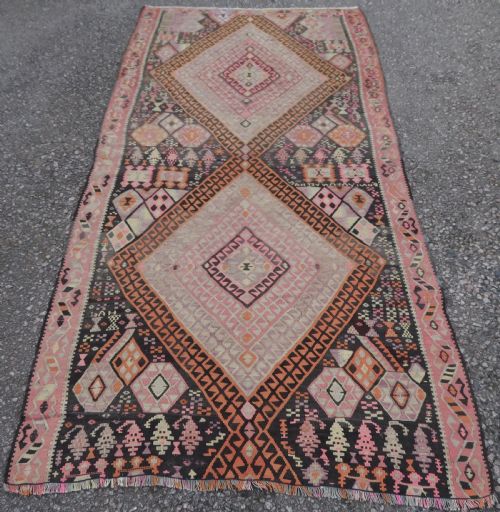
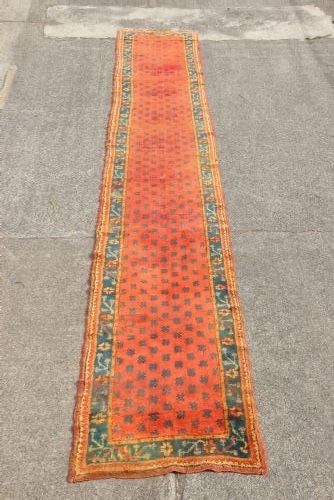
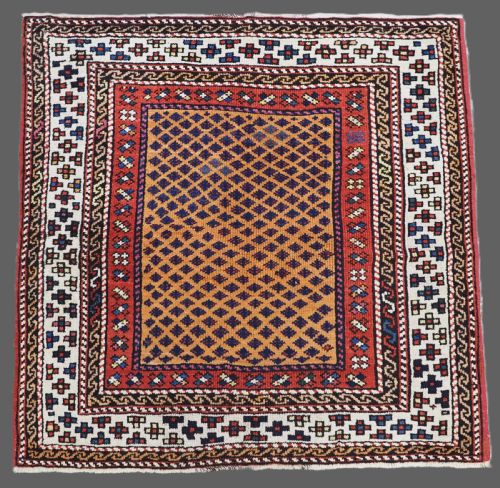
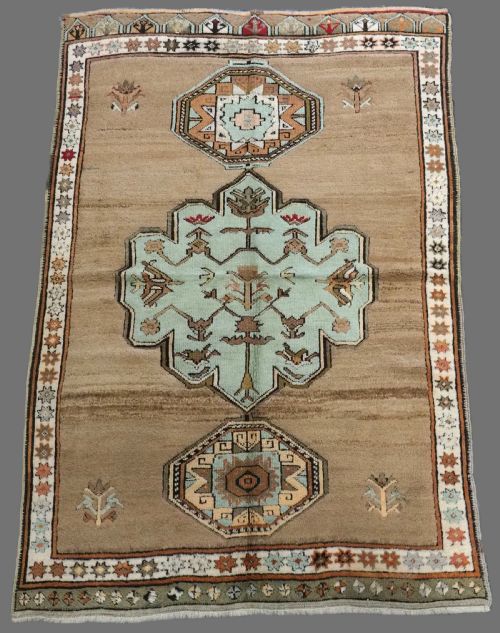
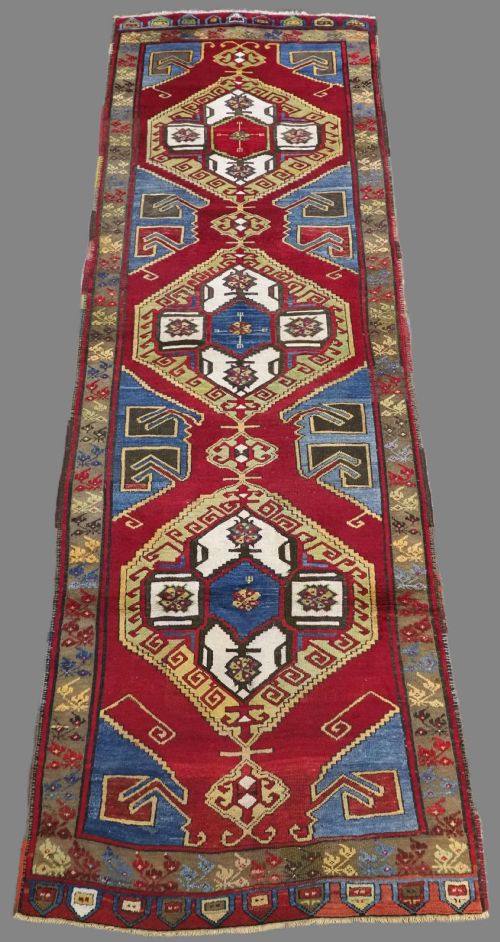
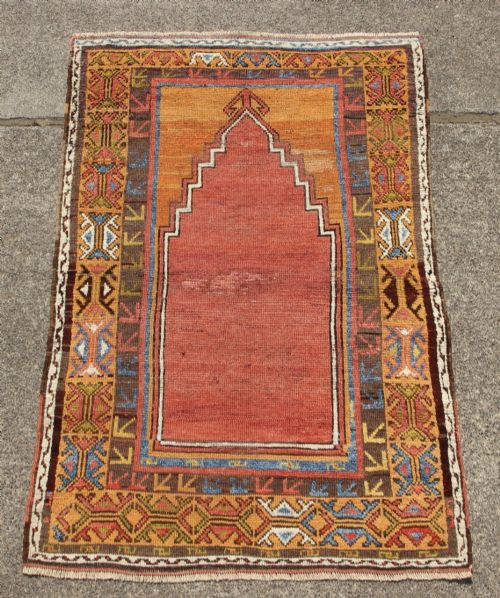
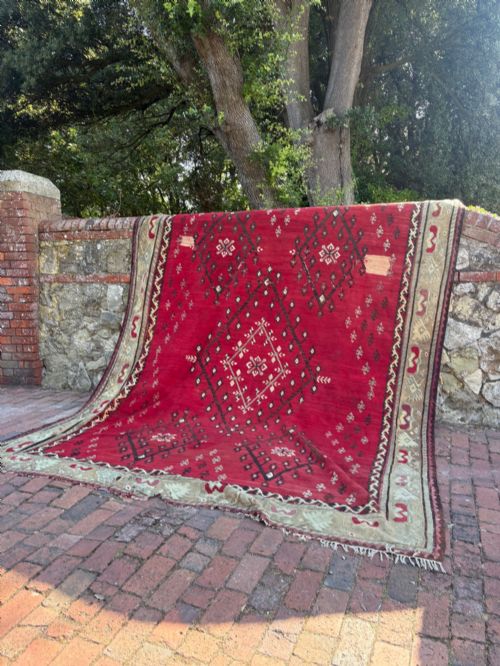
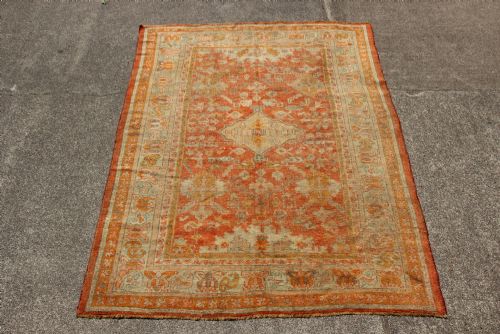
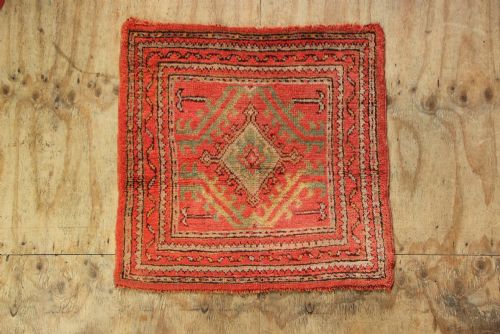
An anatolian rug is a hand-knotted or flatwoven floor covering originating from the regions of Turkey, spanning centuries of rich weaving traditions from nomadic tribes and settled villages. You will frequently encounter formats ranging from intimate square mats and prayer rugs to expansive Oushak carpets and long narrow runners suitable for hallways.
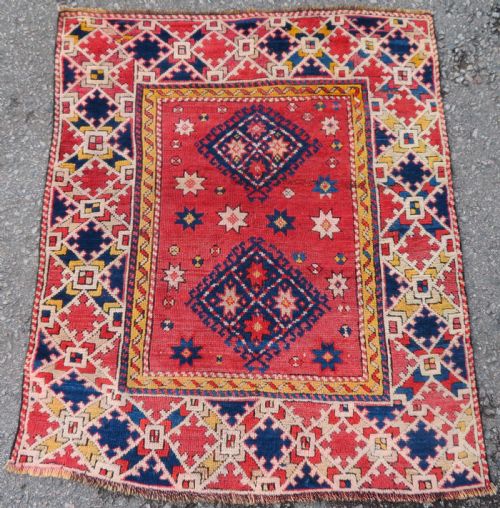
The pieces on this page encompass diverse regional identities such as Konya, Bergama, Milas, and Kirsehir, each bringing distinct motifs and colour palettes to the weave. Village workshops and tribal weavers produced these textiles for daily domestic utility, ceremonial prayer, or storage sacks, resulting in durable items designed for practical use.
Makers utilised traditional looms to construct pieces varying from modest village rugs to large decorative carpets featuring geometric medallions, floral sprays, or pictorial hunting scenes. Surviving examples reflect the aesthetic preferences of various periods, including nineteenth-century works and early twentieth-century village weaving.
How they were made
Weavers constructed these textiles primarily using wool, cotton foundations, and occasionally camel wool or silk, employing hand-spun fibres that absorb natural dyes with subtle variations in tone. Pile carpets were hand-knotted strand by strand onto vertical or horizontal looms, while flatwoven kilims relied on interweaving warp and weft threads without a pile.
Dye recipes involved organic materials gathered locally to create the distinctive soft colours, faded pinks, ivory fields, and rich greens seen across regional workshops. The structural integrity depends on sturdy cotton or wool foundations, which support the dense wool pile through generations of domestic floor use.
The listings feature materials including wool, cotton, camel wool, hand-spun wool, and silk across multiple centuries.
What varies in quality
Quality in an anatolian rug rests on the finesse of the knot density, the integrity of the wool, and the clarity of the design proportions executed by the weaver. Finer examples display precise execution of intricate lattice designs or prayer mihrabs, showing deliberate mastery over traditional village motifs.
The choice of materials also elevates a piece, particularly the use of hand-spun wool, silk, or soft camel wool that yields a tactile handle and rich patina over time. Wear patterns, historical repairs, and the depth of the natural dye palette further distinguish standard utility pieces from exceptional collector items.
The Anatolian Rug Glossary
- Kilim
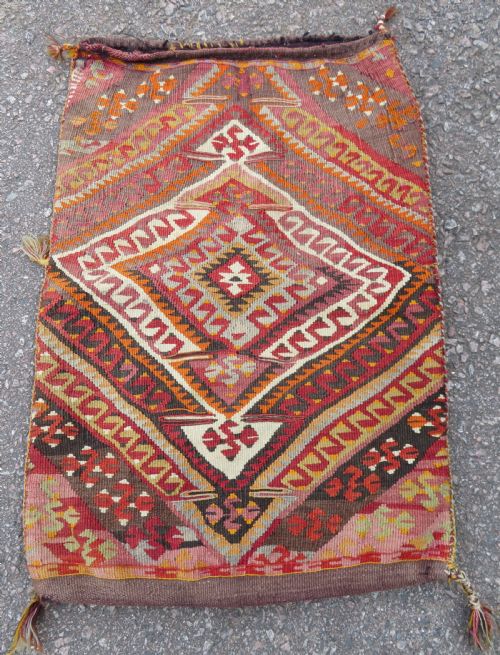
- A flatwoven rug or carpet produced without a pile, often featuring sharp geometric patterns and slit-weave construction. These textiles served various practical household functions including floor covering and grain sacks.
- Prayer rug
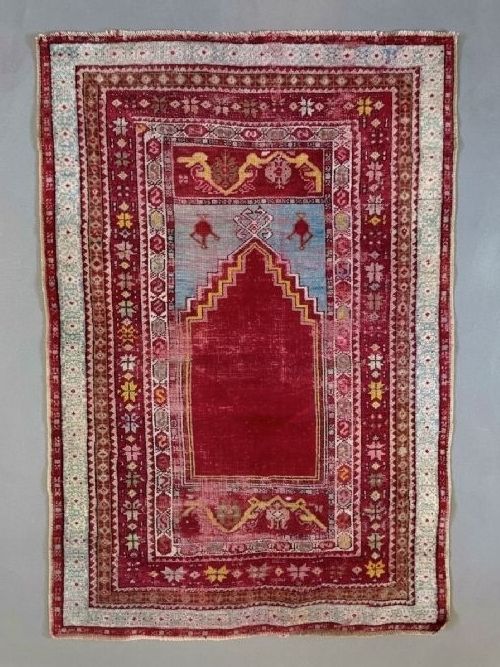
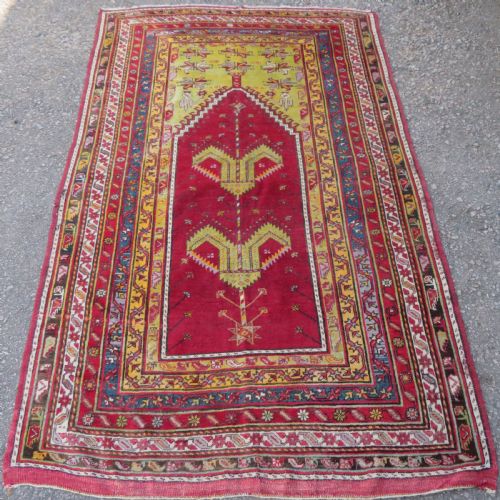
- A small carpet featuring a mihrab design or niche motif that worshippers oriented toward Mecca. These pieces typically display compact dimensions suited for individual ritual use.
- Runner
- A long, narrow carpet format designed specifically for corridors, staircases, or hallways. This shape accommodates elongated interior spaces while displaying repeating medallion or lattice patterns.
- Oushak
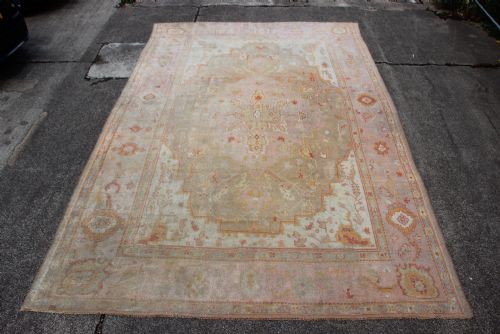
- A major tradition of carpet weaving originating from the town of Usak, known for large-scale floral designs and pale, muted colour grounds. These decorative carpets often measure substantially larger than standard village rugs.
- Warp
- The stationary vertical threads stretched onto a loom that form the structural foundation of the textile. Weft threads are woven horizontally across these warp strands to secure the knots or flatweave.
Anatolian Rug: Frequently Asked Questions
How do I care for my rug?
Protect your antique textile by placing it in low-traffic areas and using a breathable underlay to prevent slipping. Regular gentle vacuuming without a rotating brush roll helps remove embedded dust.
Professional specialist cleaning is recommended for antique wool and silk textiles to preserve the natural fibres and organic dyes. Avoid excessive moisture and direct sunlight to maintain the integrity of the weave.
How are different regional styles told apart?
Regional styles are distinguished by their specific colour palettes, border arrangements, and structural motifs. For instance, Bergama and Konya rugs often display bold geometric village designs, while Oushak carpets feature expansive floral motifs on pale grounds.
Prayer rugs contain a characteristic architectural niche or mihrab shape, whereas runners utilise elongated formats adapted for narrow spaces. Examining the weave structure and material composition also aids in identifying origin.
Were these rugs used on floors?
These textiles served multiple domestic functions beyond standard floor coverings within traditional Turkish households. Some items functioned as wall hangings, saddle bags, or grain and clothes sacks.
Smaller formats like prayer rugs and mats were utilised for specific daily rituals and portable seating. Over time, many durable pile rugs transitioned into domestic floor furnishings.