





Anatolian Kilim Rug
An anatolian kilim rug is a flatwoven textile bringing rich tribal patterns and historic character to a room.
Anatolian Kilim Rug
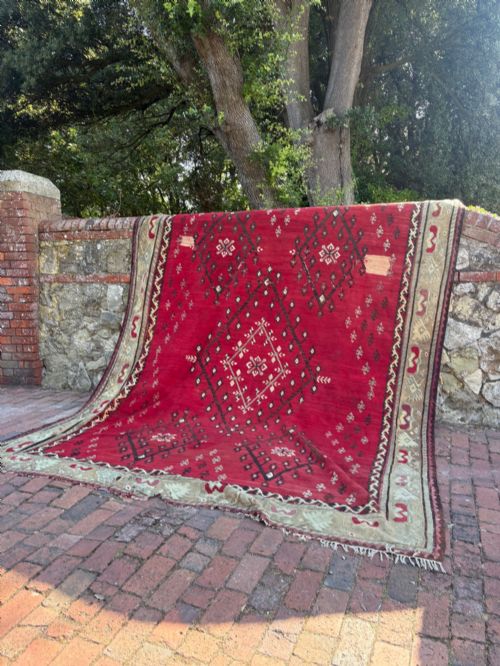
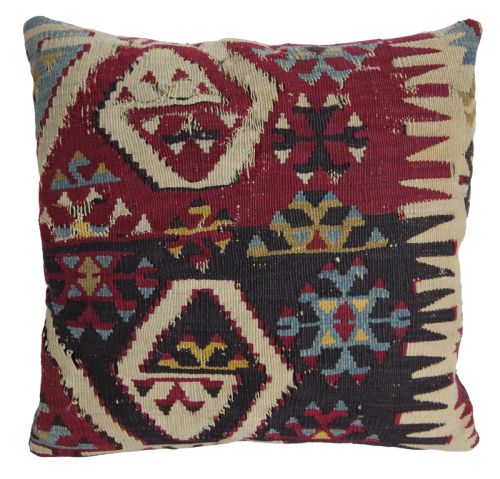
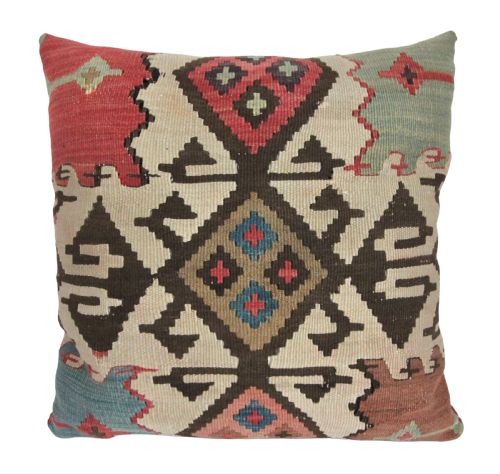
When you search for an anatolian kilim rug, you are looking at flatwoven floor coverings and furnishings originating from various regions of Turkey. These textiles include large carpets, long runners, prayer formats, and smaller items such as cushions and saddlebag faces.
The versions you are most likely to encounter span from the mid nineteenth century through the early twentieth century. Regional names such as Konya, Malatya, and Sarkoy frequently appear among these nomadic and tribal weavings.
How they were made
These flatweaves rely primarily on wool and cotton yarns, sometimes incorporating leather elements on specific forms like bags. Weavers constructed them using slit-taproot techniques without a pile, creating distinct geometric and linear motifs.
Many larger formats, such as those from the Bergama or Reyhanli regions, were woven in two separate parts and joined together down the centre. Natural dyes yielded the characteristic palette seen across the nineteenth and early twentieth century pieces.
Listings feature pieces from the nineteenth and twentieth centuries, using wool, cotton, and leather in formats ranging from runners to cushions.
What varies in quality
Quality rests in the harmony of the palette and the clarity of the tribal design. Strong regional character and intact structural integrity elevate an example above standard decorative pieces.
The fineness of the flatweave and the complexity of the motifs distinguish finer tribal work. Surviving historic textiles with minimal alterations show the skill of the original weaver.
The Anatolian Kilim Rug Glossary
- Kilim
- A flatwoven carpet or rug produced without a pile by interlocking weft threads over warp threads. This technique creates a smooth surface with patterns visible on both sides.
- Cicim
- An embroidered flatweave where supplementary threads are laid across the surface to create raised patterns. This decorative technique often appears on panels and wall hangings.
- Juval
- A large storage bag produced by nomadic tribes for household goods. Surviving examples are often collected and displayed as small rugs or wall pieces.
- Flatweave
- A textile constructed without knotting pile yarn onto a foundation. These pieces rely entirely on the interlacing of warp and weft.
- Prayer kilim
- A rug featuring a mihrab design used to indicate the direction of prayer. These regional formats often display specific devotional motifs.
Anatolian Kilim Rug: Frequently Asked Questions
What is an anatolian kilim rug?
An anatolian kilim rug is a pileless textile woven by nomadic and village communities in Turkey using traditional geometric designs.
These pieces served functional purposes in daily life as floor coverings, blankets, and storage bags before entering the antiques market.
How do I clean an antique kilim?
Gentle surface cleaning and professional textile care preserve the integrity of historic wool and cotton fibres.
Avoiding harsh detergents protects the natural dyes used in nineteenth and twentieth century weaving traditions.
Where were these rugs made?
These textiles originate from specific weaving towns and regions across Turkey, including Konya, Malatya, Ushak, and Sarkoy.
Each region developed distinct palettes and geometric vocabularies passed down through generations of tribal weavers.
How are large kilims constructed?
Larger formats were frequently woven in two separate vertical strips on narrow tribal looms and then stitched together down the middle.
This traditional method allowed nomadic weavers to produce room-sized carpets without needing oversized looms.