






Anatolian Flat Weave
An anatolian flat weave brings rich pattern and texture to a room, offering durable wool construction shaped by generations of weaving tradition.
Anatolian Flat Weave
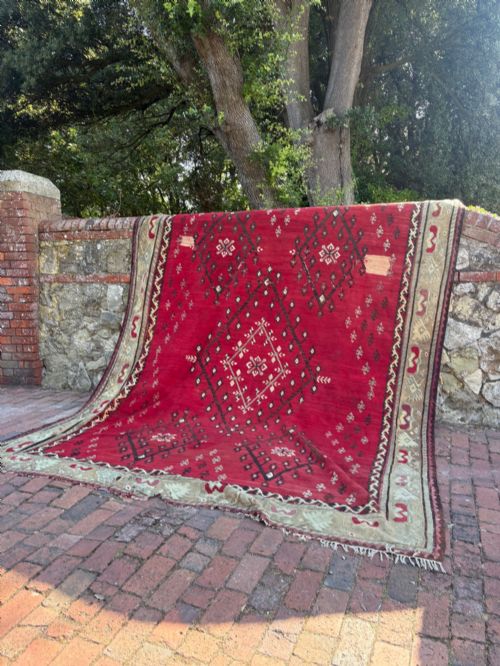
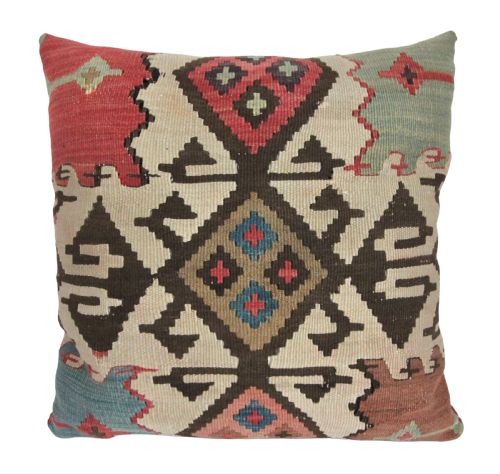
An anatolian flat weave encompasses versatile floor coverings and home furnishings originating from Turkish traditions, spanning centuries of regional design. When you search for this phrase, you find pieces ranging from large room-sized carpets and elongated runners down to smaller decorative cushions.
The selections on this page draw from distinct production periods between the mid-nineteenth century and the early twentieth century. Buyers encounter classic formats such as the kilim rug, alongside multi-part textiles woven separately and joined later for extra width.
Regional variations shape these textiles, with specific towns and areas lending their names to the weaving style. Pieces from locations such as Malatya, Konya, Esme, Reyhanli, and Kayseri each display characteristic layouts and colour combinations.
How they were made
These textiles rely on a foundation of wool and cotton, utilised to build both the structural warp threads and the visible pattern weft. Weavers interlace these natural fibres tightly by hand without a pile, producing a flat surface that stands up to heavy use.
Larger formats, such as grand carpets and long runners, sometimes employ a two-part construction method where two narrow panels are woven independently and stitched together. This technique allowed makers to achieve generous dimensions on standard vertical looms.
Anatolian Flat Weave Retail Price Guide 2026
Typical asking prices for anatolian flat weave among the pieces listed under this phrase on Sellingantiques today, from the lower quarter to the upper quarter. They describe what is for sale here now, not the wider market.
Some industrious weavers solved loom width limits by simply making two rugs and stitching them together into a giant carpet.
What varies in quality
The strength of the underlying weave and the tightness of the fibre tension separate standard examples from superior ones. Tighter interlacings of wool and cotton provide greater resilience against everyday wear on floors.
Visual impact relies heavily on the depth and preservation of the dye work, alongside the complexity of the traditional geometric motifs. Examples featuring bold, well-preserved palettes and careful execution command greater attention from collectors.
The Anatolian Flat Weave Glossary
- Kilim
- A flat weave textile produced without a pile by tightly interweaving warp and weft strands. These pieces function primarily as floor coverings or decorative cushions.
- Warp
- The stationary vertical threads stretched across a loom that form the structural foundation of the textile. Every woven piece relies on this underlying grid.
- Weft
- The horizontal threads passed through the warp to create the visible design and colour blocks. The weaver beats these down firmly to secure the structure.
- Runner
- An elongated narrow rug designed for hallways, corridors, or alongside furniture. These formats often display linear patterns suited to restricted spaces.
Anatolian Flat Weave: Frequently Asked Questions
What is an anatolian flat weave?
An anatolian flat weave is a pileless textile hand-produced in Turkey using traditional wool and cotton materials. These items include large rugs, runners, and smaller cushions dating from the nineteenth and early twentieth centuries.
Each piece reflects the cultural motifs and weaving methods of specific Anatolian regions. They provide durable floor coverings and soft furnishings with distinct historical character.
Where do these rugs originate?
These textiles originate from various towns and districts across Anatolia, including Malatya, Konya, Esme, Reyhanli, and Kayseri. Each area developed recognizable design traditions and colour palettes.
Local tribal influences and specific regional weaving customs shaped the geometric patterns found in these historical pieces.
How do I care for antique cushions?
Antique flat weave cushions require gentle maintenance to preserve the delicate wool and cotton fibres. Regular light vacuuming without a rotating brush helps remove dust without stressing the weave.
Keeping them away from direct sunlight prevents the natural dyes from fading over time, ensuring the colours remain vibrant.