

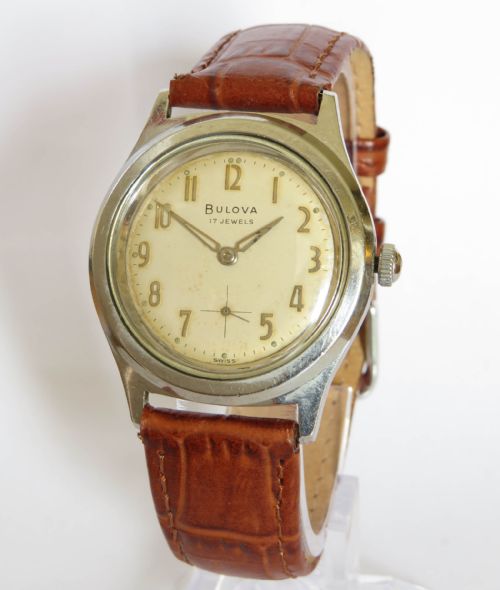
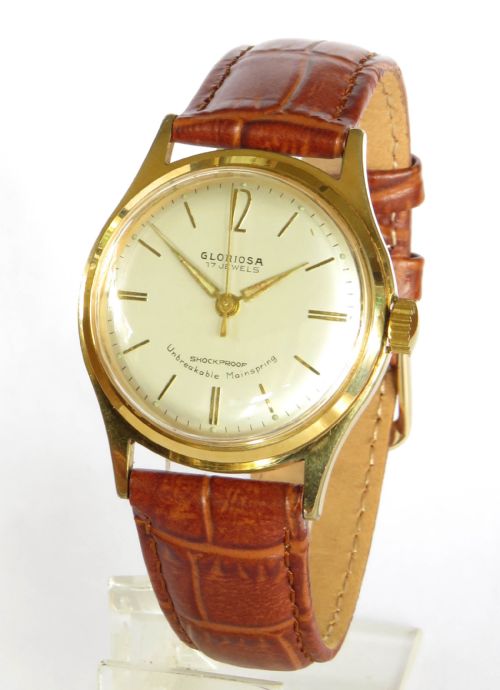
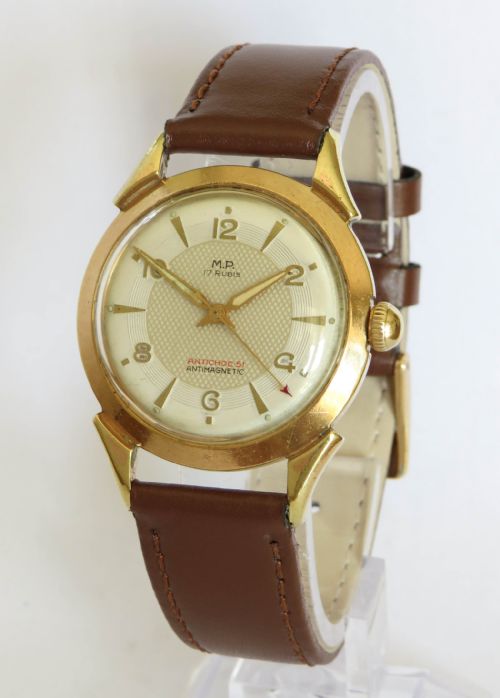
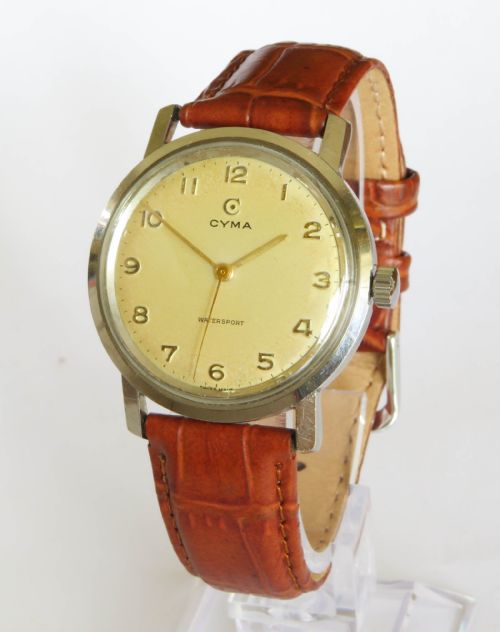

Analog Wristwatch
An analog wristwatch offers traditional hands and dials, bringing mid-century mechanics and distinct horological heritage straight to the wrist.
Analog Wristwatch
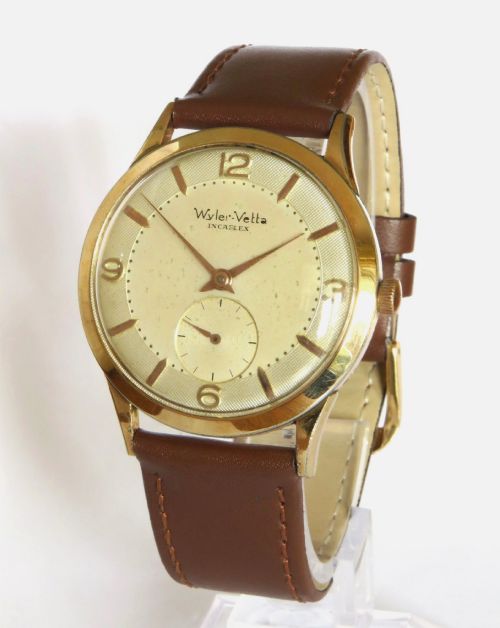
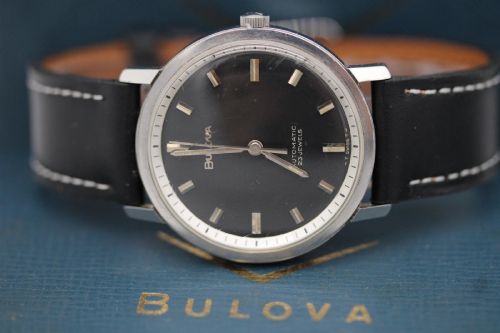
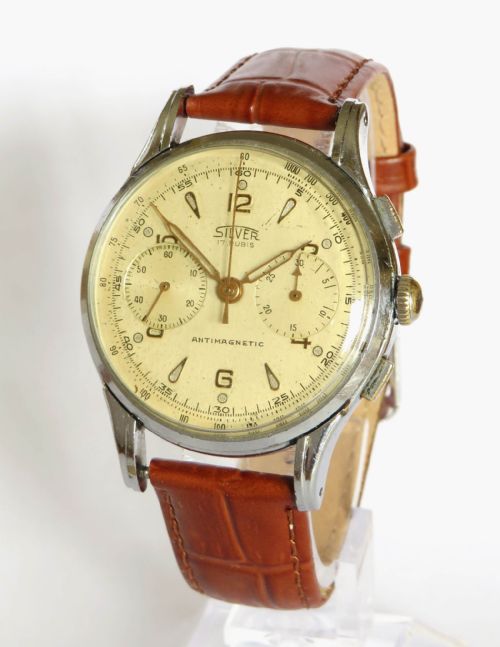
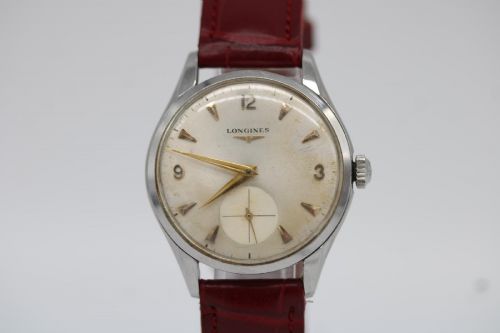
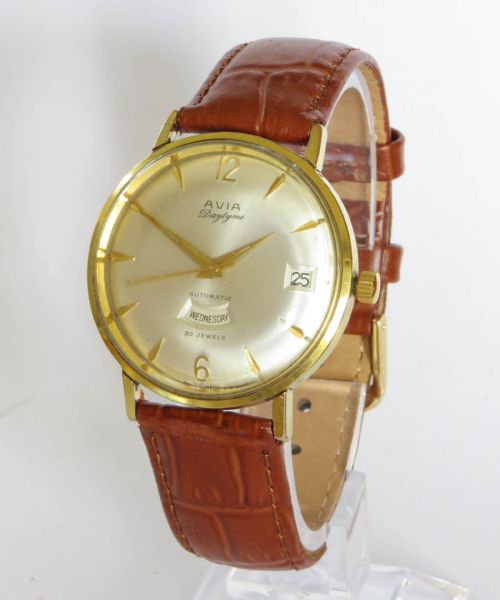
When you search for an analog wristwatch, you look at traditional timepieces driven by mechanical movements, manual wind calibres, or early automatic systems. The pieces on this page span the 1940s, 1950s, and 1960s, capturing the transition from classic dress watches to robust chronographs and day-date designs.
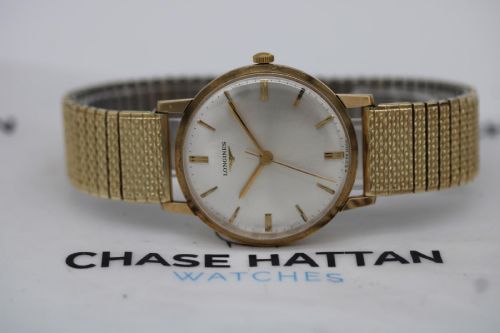
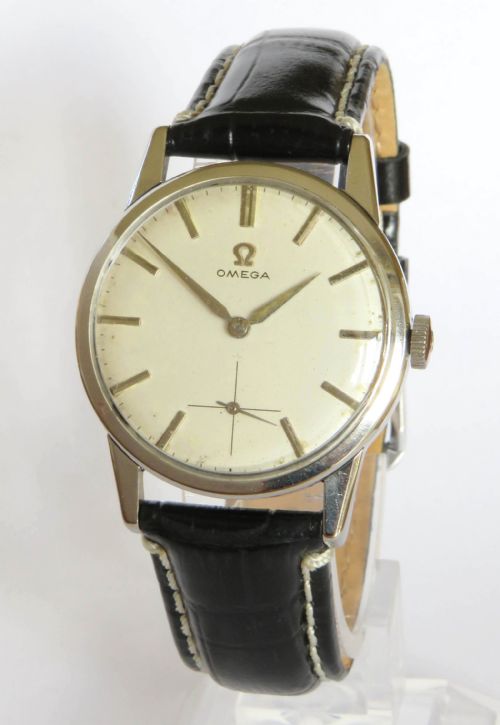
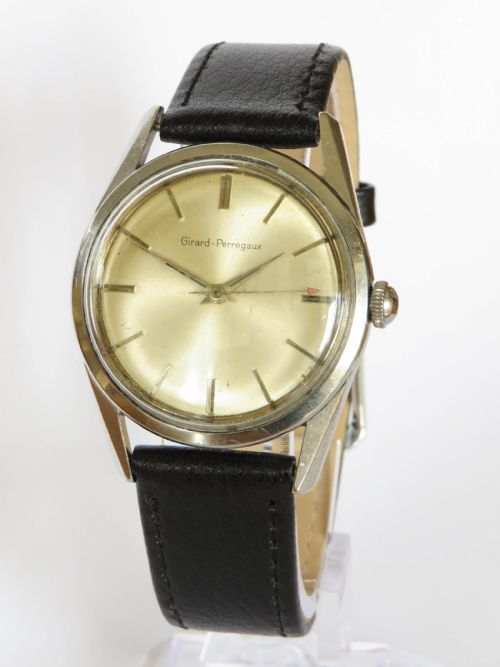
Makers represented in these listings include established names such as Omega, Longines, Bulova, Cyma, Smiths, Tissot, and Girard Perregaux. These houses produced reliablegents timepieces that define mid-century horology, offering both British and Swiss craftsmanship.
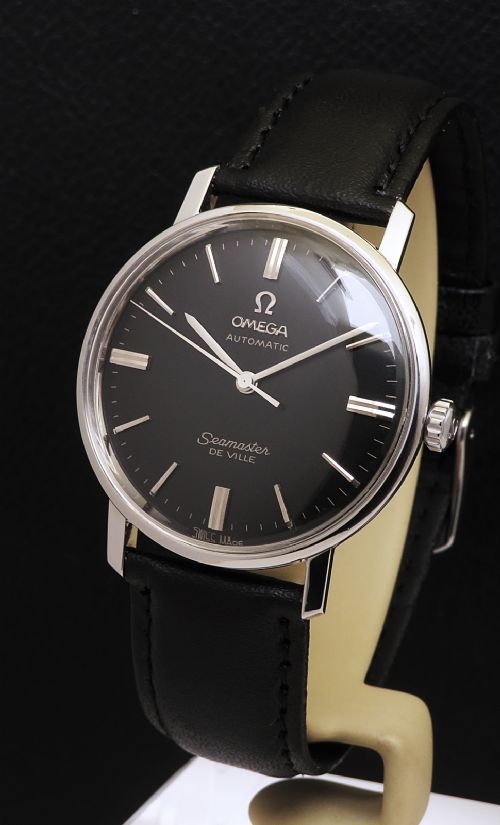
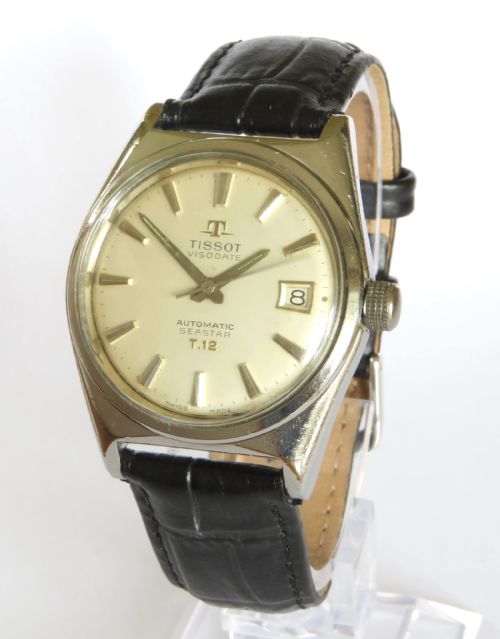
The dominant aesthetic draws from Mid-Century Modern and Art Deco sensibilities, featuring clean dials, distinct numeral layouts, and balanced case proportions. Buyers encounter everything from simple dress watches to specialised pieces like the Tissot Visodate Seastar or Omega Seamaster DeVille.
Materials and construction
Casings are primarily fashioned from stainless steel, chrome-plated steel, chrome, and gold plate, often housing acrylic or acrylic glass crystals over the dial. These metallic alloys provided the necessary durability and polished finish for daily wear throughout the mid-century decades.
Straps and bands rely on leather to secure the watch firmly to the wrist, complementing the metal cases. Internal movements depend on precision brass and steel components assembled by hand to regulate timekeeping via manual wind or automatic mechanisms.
Analog Wristwatch Retail Price Guide 2026
Typical asking prices for analog wristwatch among the pieces listed under this phrase on Sellingantiques today, from the lower quarter to the upper quarter. They describe what is for sale here now, not the wider market.
Materials documented across the available inventory include leather, stainless steel, acrylic glass, gold plate, and chrome.
Distinctions in quality
The distinction between standard production models and superior pieces lies in the sophistication of the internal movement and the preservation of original components. Brands utilising signed chronometer-grade calibres or specialised complications like chronographs represent higher tiers of craftsmanship.
Case finishing, dial legibility, and the retention of original boxes or factory-supplied parts elevate specific examples above standard utility pieces. The presence of restored automatic movements and unpolished cases further separates exceptional survivals from routine vintage items.
Bulova·Omega·Cyma·Antoremi·Smiths·Longines·Tissot·Avia·Gloriosa·Ensign·Eterna·Prisma·Girard Perregaux·Dogma Prima·Marvin·Felca
The Analog Wristwatch Glossary
- Manual Wind
- A mechanical movement requiring the wearer to turn the crown by hand to tension the mainspring. This traditional mechanism powers the watch without the need for a battery.
- Automatic
- A self-winding mechanical movement that uses a weighted rotor to tension the mainspring from the natural motion of the wearer's wrist. It represents a key technical development of the mid-century period.
- Chronograph
- A watch equipped with a stopwatch function alongside the standard time-displaying hands. These models feature additional sub-dials and pushers on the case exterior.
- Acrylic Glass
- A lightweight, shatter-resistant synthetic material used for watch crystals during the mid-century era. It can be easily polished to remove surface scuffs.
- Calibre
- The specific internal movement design manufactured by a watchmaker. Collectors reference these numbers to identify the exact mechanical lineage of a timepiece.
Analog Wristwatch: Frequently Asked Questions
How do I wind a manual watch?
Rotate the crown gently between your thumb and forefinger in a clockwise direction until you feel slight resistance. Stop immediately at that point to avoid overwinding and damaging the internal mainspring.
Perform this action daily at a consistent time to maintain accurate timekeeping throughout your wear.
Can I wear my vintage watch daily?
These watches served as everyday accessories for their original owners and function well for regular daily wear. Treat them with care regarding water exposure and heavy impacts to preserve their mechanical integrity.
Regular servicing by a professional watchmaker ensures the internal oils remain effective for ongoing use.
What is the difference between automatic and manual?
A manual watch requires daily hand-winding via the crown to store energy in the mainspring. An automatic watch contains a weighted internal rotor that winds the mainspring automatically using the natural movement of your arm.
Both systems rely entirely on mechanical gears rather than electronic batteries.
How do I identify the production decade?
Examine the stylistic cues of the dial, case geometry, and typography, alongside any movement serial numbers recorded inside the caseback. Mid-century pieces often display distinct minimalist or sector dial layouts characteristic of the 1940s, 1950s, and 1960s.
Reference hallmarks and maker archives to narrow down the specific year of manufacture.