


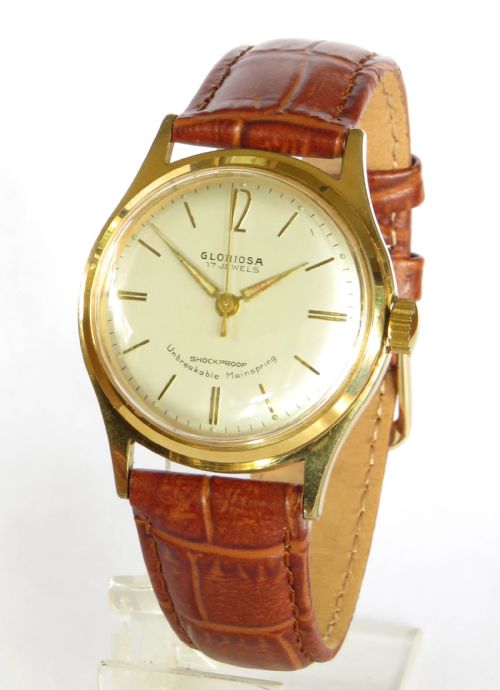


Analog Wrist Watch
An analog wrist watch brings mechanical timekeeping to the wrist, offering dependable daily wear with mid-century style.
Analog Wrist Watch
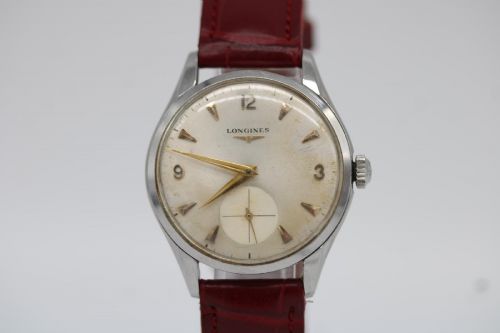
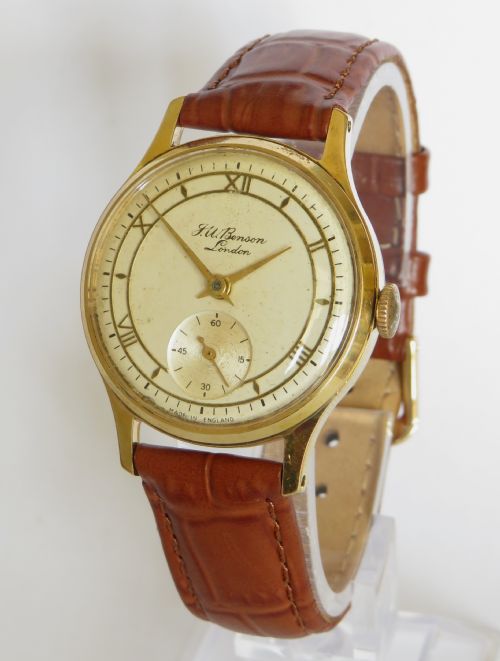
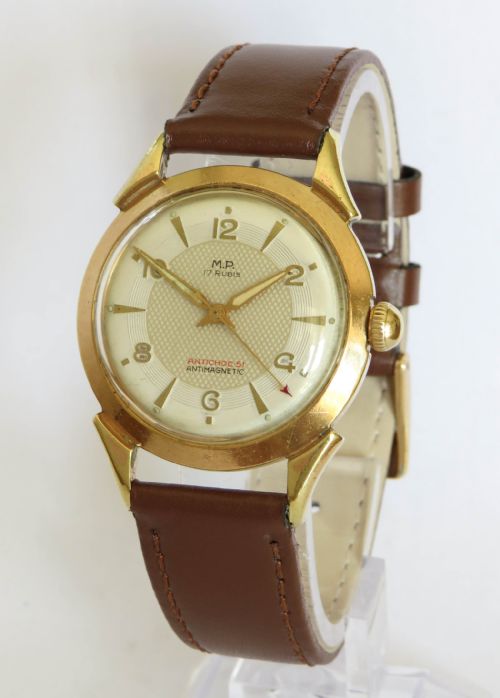
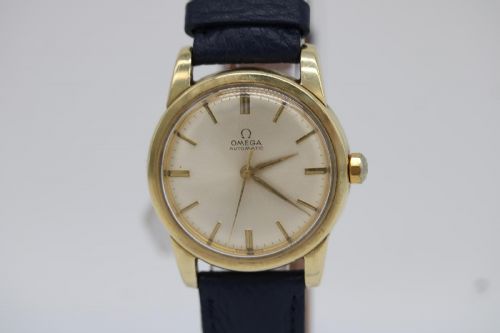
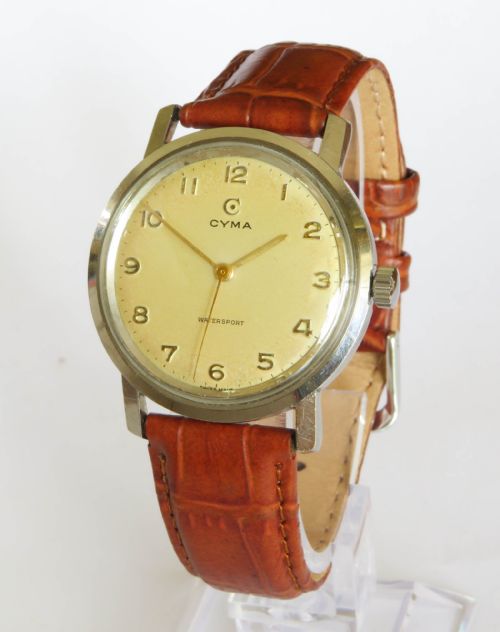
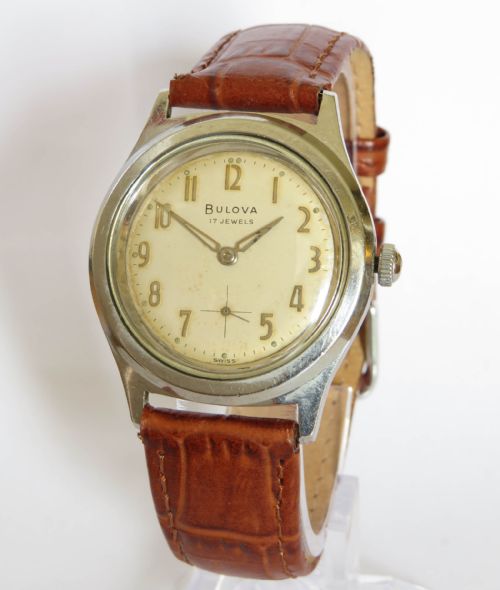
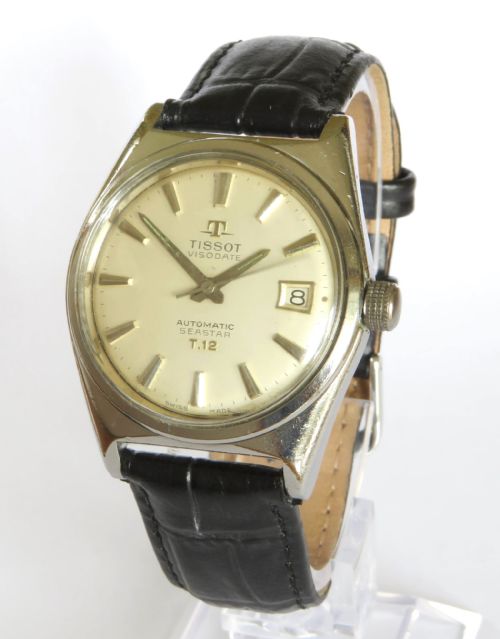
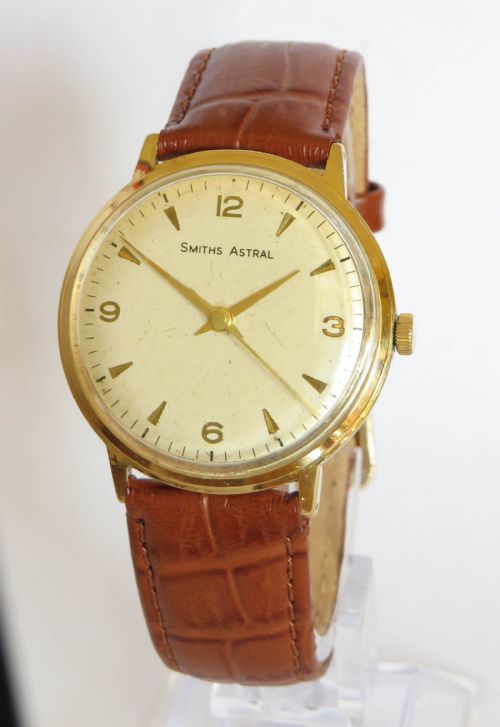
An analog wrist watch displays hours, minutes, and often seconds via hands moving across a dial. When you search for an analog wrist watch, you encounter wristwatches primarily from the mid-twentieth century, alongside occasional earlier examples from the nineteenth century and the nineteen-forties.
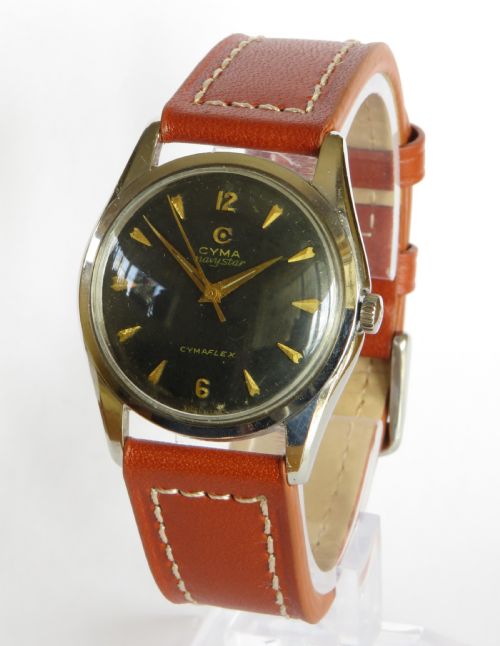
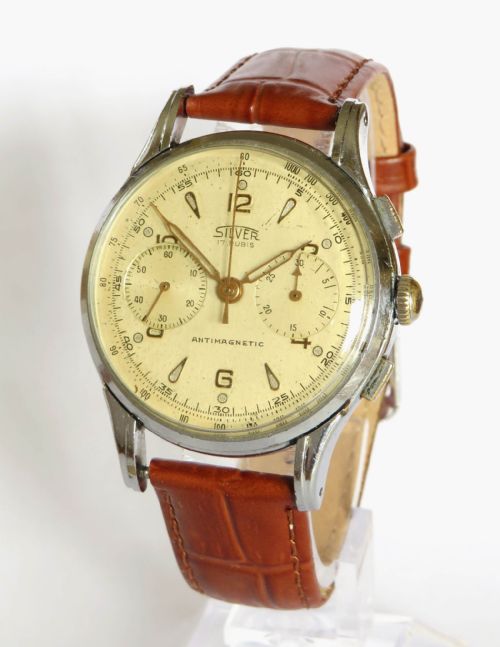
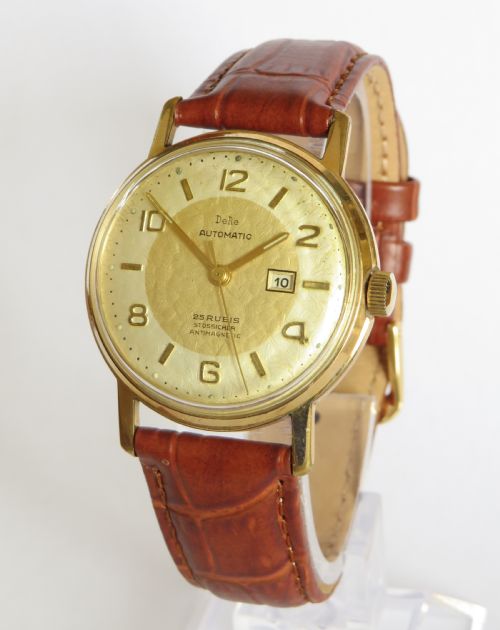
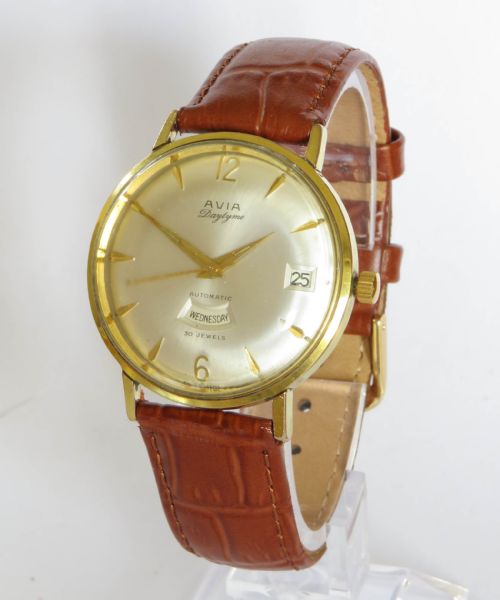
The selection here consists chiefly of gents wristwatches produced during the nineteen-fifties and nineteen-sixties. These pieces originate from various periods including nineteen-forty, nineteen-fifty, and nineteen-sixty, spanning styles such as Art Deco, mid-century, and mid-century modern.
Most entries are traditional mechanical or automatic gents timepieces designed for everyday utility. They reflect the dominant manufacturing output of Swiss, British, and French makers during the middle decades of the twentieth century.
How they were made
Cases combine metals such as stainless steel, chrome-plated steel, plain chrome, and gold plate to house delicate internal movements. Crystals utilise glass or acrylic glass to protect the dial while maintaining visibility of the hands.
Straps and bands employ leather to secure the watch comfortably to the wrist. Internal construction relies on precision metal components, with specific pieces noting manual wind mechanisms, automatic winding systems, or jewels within the movement.
Analog Wrist Watch Retail Price Guide 2026
Typical asking prices for analog wrist watch among the pieces listed under this phrase on Sellingantiques today, from the lower quarter to the upper quarter. They describe what is for sale here now, not the wider market.
Some watches recorded specific day-date complications or specialised dermaphile functions for early medical professionals.
What varies in quality
The reputation of the maker and the complexity of the internal movement dictate the primary tier of craftsmanship. Pieces signed by established houses or featuring specific caliber numbers stand apart from standard commercial output.
Materials and case finishing also distinguish examples, such as solid gold plating versus standard chrome plating, alongside the preservation of original dials and case proportions like jumbo sizing.
Omega·Cyma·Longines·Smiths·Tissot·Bulova·Eterna·Girard Perregaux
The Analog Wrist Watch Glossary
- Caliber
- The internal movement design and designation created by the watch manufacturer. It identifies the specific mechanical architecture powering the watch.
- Manual wind
- A mechanical movement requiring the wearer to turn the crown by hand to tension the mainspring. This traditional method predates widespread automatic winding.
- Automatic
- A self-winding mechanical movement that uses a weighted rotor driven by the natural motion of the wearer's wrist. It keeps the mainspring wound during regular daily wear.
- Acrylic glass
- A lightweight, shatter-resistant plastic material utilised for watch crystals during the mid-century period. It can be polished to remove surface scuffs.
- Gold plate
- A thin layer of gold bonded to a base metal case to provide the appearance of solid gold at a lower production cost. The thickness and durability of this plating vary by manufacturer.
Analog Wrist Watch: Frequently Asked Questions
How do I wind a manual watch?
Rotate the crown clockwise between your thumb and forefinger until you feel gentle resistance. Stop immediately to avoid damaging the mainspring.
Wind the watch at roughly the same time each day to maintain consistent tension and accurate timekeeping.
Are these watches water resistant?
Vintage timepieces lack modern rubber gaskets and screw-down seals. Exposure to moisture can rust internal steel components and ruin the dial.
Keep these watches away from water, rain, and hand washing to preserve their delicate internal mechanisms.
What is the difference between automatic and manual?
A manual watch requires daily hand-winding via the crown. An automatic watch contains a weighted internal rotor that winds the mainspring automatically through wrist movement.
Both systems rely entirely on mechanical gears rather than batteries.
How should I store my watch?
Store your watch in a dry environment away from direct sunlight and extreme temperature fluctuations. A dedicated watch box or padded tray prevents accidental drops and surface scratches.
If you leave a manual watch off the wrist for an extended period, let it run down rather than keeping it constantly wound.